Lithium Iron Phosphate vs. Ternary Lithium Batteries: Which Is Better for Your EV or Energy Storage System?
Lithium iron phosphate (LFP) batteries and ternary lithium batteries (commonly NCM or NCA) are the two dominant types of lithium-ion batteries used in electric vehicles (EVs), electric motorcycles, electric tricycles, and energy storage systems. Each offers unique benefits that suit different use cases.
At MIYAJI, we specialize in one-stop solutions for electric motorcycles, tricycles, and low-speed four-wheelers. With in-house battery pack manufacturing, R\&D capabilities, and a full suite of smart charging equipment, we empower global partners to build their own EV ecosystems. Whether you're focusing on battery swapping, fast charging, or converting petrol vehicles to electric, MIYAJI is your trusted partner in the green revolution.
✅ Advantages of Lithium Iron Phosphate (LFP) Batteries
1. Superior Safety
LFP batteries offer excellent thermal and chemical stability. They are less prone to overheating, fire, or explosion under extreme conditions such as overcharging, puncture, or high temperatures—making them a safer choice for electric fleets in hot climates.
2. Long Cycle Life
LFP batteries typically last 2,000 to 5,000 charge-discharge cycles, delivering extended service life and a lower total cost of ownership. This makes them ideal for fleet operators, delivery platforms, and shared mobility services.
3. Cost-Effective Materials
LFP batteries use widely available, affordable materials like iron and phosphorus. They do not rely on expensive metals such as cobalt or nickel, leading to lower production costs and greater price stability.
4. Excellent High-Temperature Performance
LFP batteries maintain performance even in **hot, tropical environments, with slower degradation compared to ternary lithium batteries. This makes them ideal for outdoor and summer usage in Africa, Southeast Asia, and the Middle East.
✅ Advantages of Ternary Lithium (NCM/NCA) Batteries
1. Higher Energy Density
NCM/NCA batteries store **more energy per unit weight or volume**, enabling longer range and reduced battery size. This is critical for performance-focused EVs, long-range motorcycles, and logistics applications.
2. Better Low-Temperature Performance
In **cold climates**, ternary lithium batteries outperform LFP in charge retention and discharge efficiency, making them the preferred option in northern regions or high-altitude areas.
3. Faster Charging Capability
Ternary lithium batteries support high-rate charging, allowing for **80% charge within 30–40 minutes**. This is essential for reducing downtime in commercial operations such as delivery, ride-hailing, and taxi services.
Which Battery Type Is Right for Your Application?
| Application | Recommended Battery |
|---|---|
| Tropical or high-temperature regions | LFP |
| Cold climate and winter conditions | NCM |
| Long-distance or power-demanding use | NCM |
| Cost-sensitive, high-volume deployments | LFP |
| Fast charging required | NCM (or high-rate LFP) |
MIYAJI: Your Trusted Lithium Battery Solution Provider
At MIYAJI, we offer complete lithium battery solutions, including LFP and NCM/NCA packs, tailored to electric tricycles, motorcycles, and low-speed four-wheel vehicles. Backed by our own battery pack factory, intelligent charging infrastructure, and a professional R\&D team, we help partners around the world build scalable, profitable EV businesses.
Whether you're an operator, distributor, or government-backed fleet, we deliver customized battery systems with advanced BMS, GPS tracking, remote shutdown, and fast-charging capabilities.
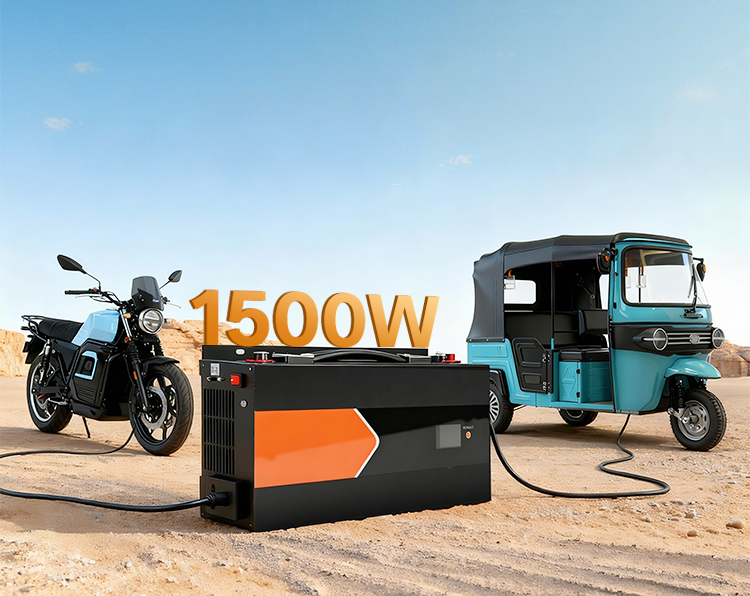 MIYAJI Bi-Charger Battery-Free Bi-Directional Charger for E2W & E3W
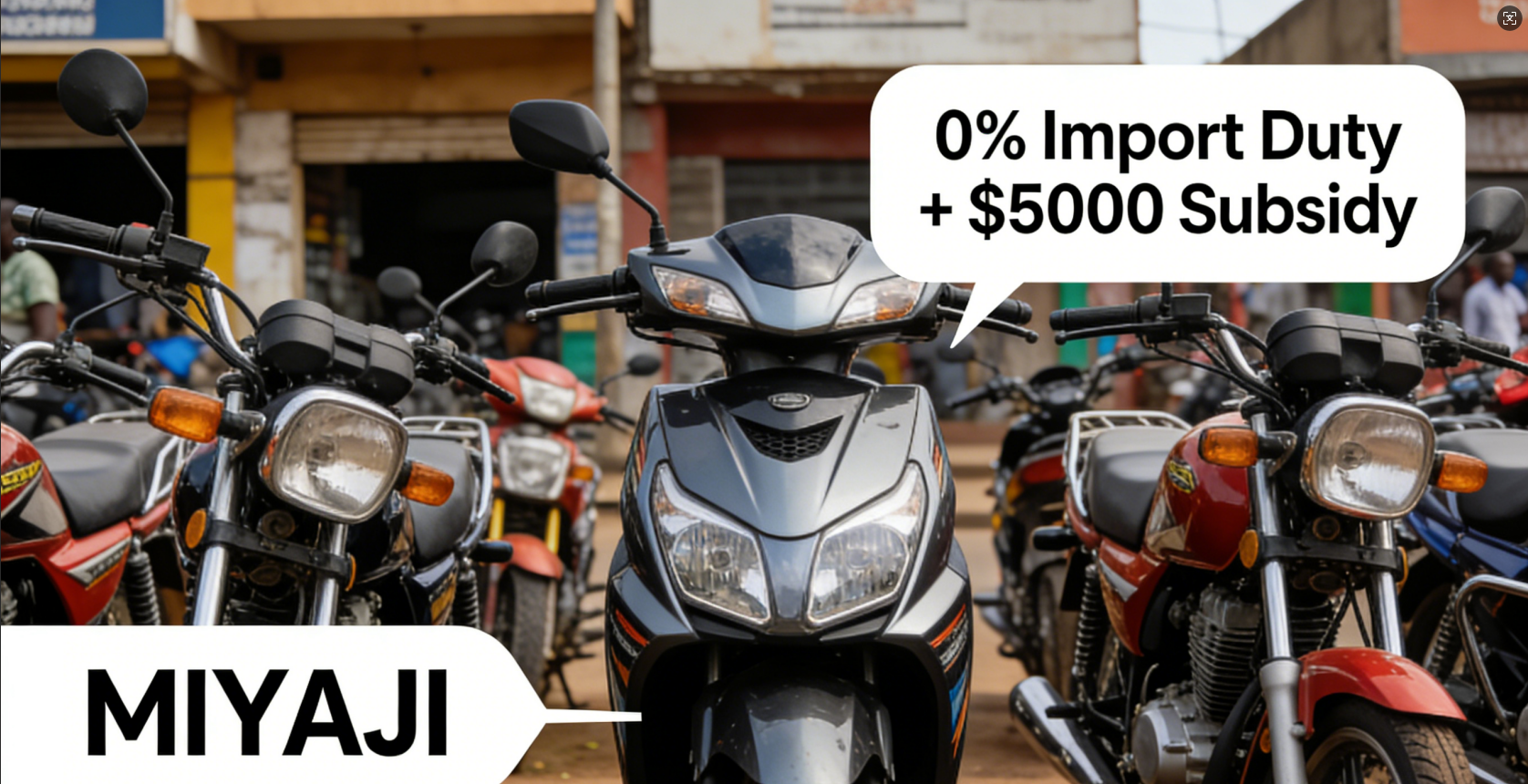 2026: Kenya's Electric Vehicle Export Market Booms! Zero Tariffs + 500,000 Yuan Subsidy for Battery Swapping Stations – Don't Miss Out!
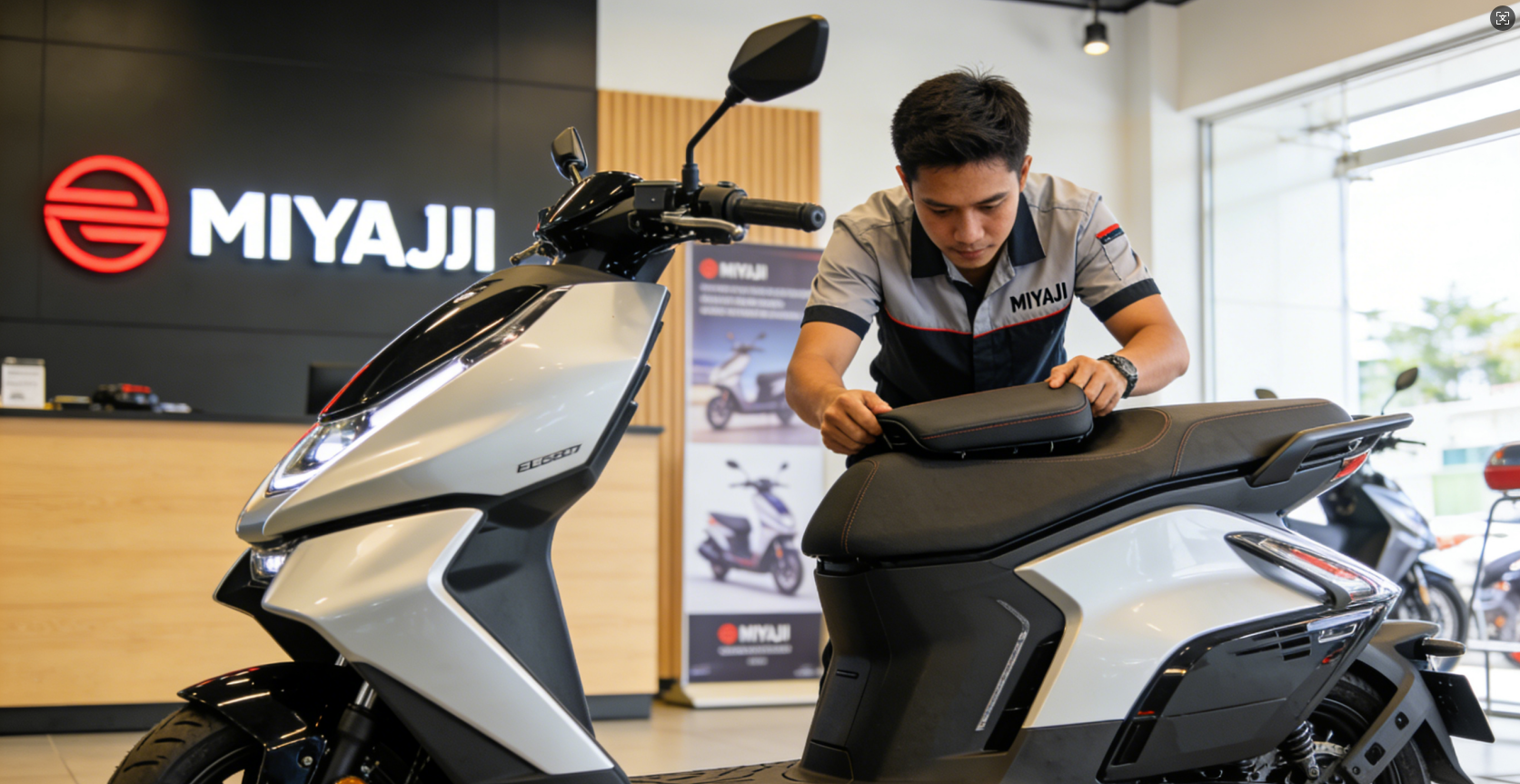 Localization and Win-Win: MIYAJI's New Overseas Expansion Model – Partnering to Deepen Market Development
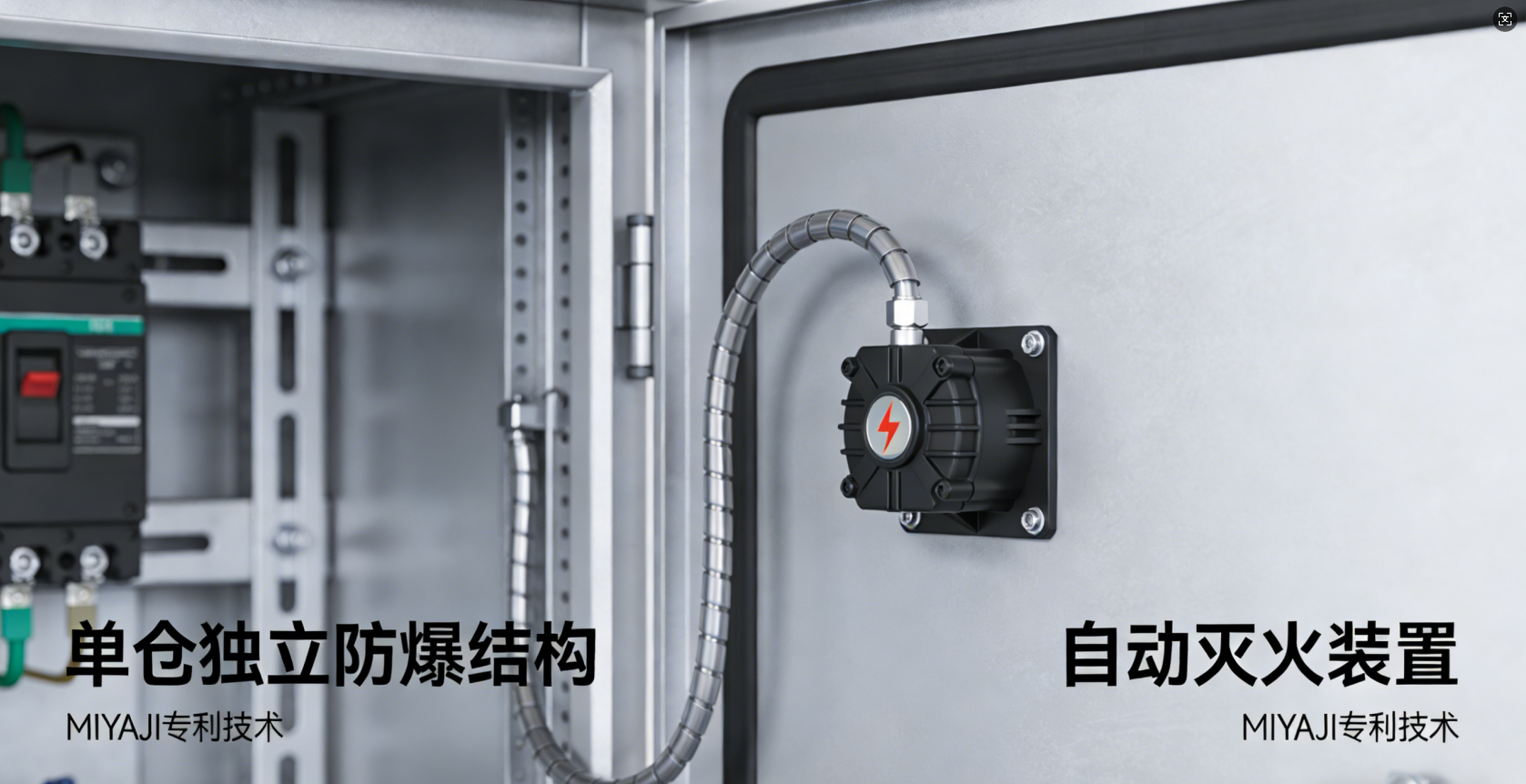 Safety First: MIYAJI's Integrated Vehicle-Battery Cabinet with Seven-Fold Safety Protection System