E-Scooter Battery Swapping System Selection Guide: Adapt to Shared E-Scooter & Food Delivery Scooter Scenarios
I. Shared E-Scooter Scenario: Core Requirements for Battery Swapping Systems
The operation logic of shared e-scooters is "high-density stations + high-frequency turnover" — core urban locations (like business districts or subway exits) see 50+ daily swaps, and most operators mix 2-3 scooter brands. This places high demands on the adaptability and efficiency of battery swapping systems:
1.Battery swapping speed must be ≤30 seconds: Adapt to peak-hour station turnover
The average daily riding distance of shared e-scooters is 60-70km (including multiple short trips). Insufficient battery life leads to "mid-ride power outage" complaints and increases the frequency of swap personnel restocking. Our battery swapping system supports customized battery capacity (from 48V20Ah to 48V30Ah), with a maximum full-charge range of 90km — enough to cover a shared e-scooter's daily operation and reduce daily swaps by 1-2 times.
2.Multi-model interface compatibility: Solve the adaptation pain point of mixed vehicles
Most shared e-scooter operators purchase vehicles from different brands (e.g., a lightweight model + a heavy-duty model). If the swapping system only supports a single interface, it wastes resources (some vehicles can’t be swapped). MeyaJi's system uses a "modular interface design," compatible with 3+ mainstream battery interfaces. Just provide your existing vehicle's interface specifications, and we’ll customize a matching swap compartment.
3.IoT remote monitoring: Cut station operational costs
Shared e-scooter stations are scattered across cities, making manual inspections time-consuming and costly. Our battery swapping system has a built-in IoT module, allowing remote checks of each battery’s remaining power, swap count, and even early warnings for faults like "abnormal battery discharge." For example, if a battery’s range drops by 20% suddenly, the system sends an alert — swap personnel can repair it precisely, saving 60% of operational time compared to traditional manual inspections.
Peak swapping hours for shared e-scooters are morning/evening commutes (7-9 AM, 5-7 PM). If a single swap takes over 1 minute, stations will pile up with vehicles waiting to be swapped — directly hurting user experience (no fully charged vehicles available).
MIYAJI's customized battery swapping system uses a "snap-on quick-release structure," completing a swap in just 25 seconds, perfectly matching peak-hour turnover.Battery life needs ≥80km: Cover daily operation needs
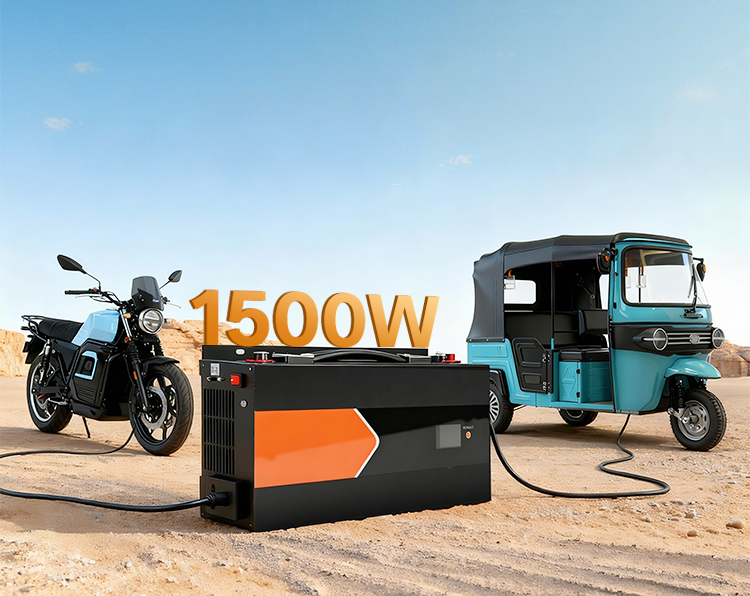 MIYAJI Bi-Charger Battery-Free Bi-Directional Charger for E2W & E3W
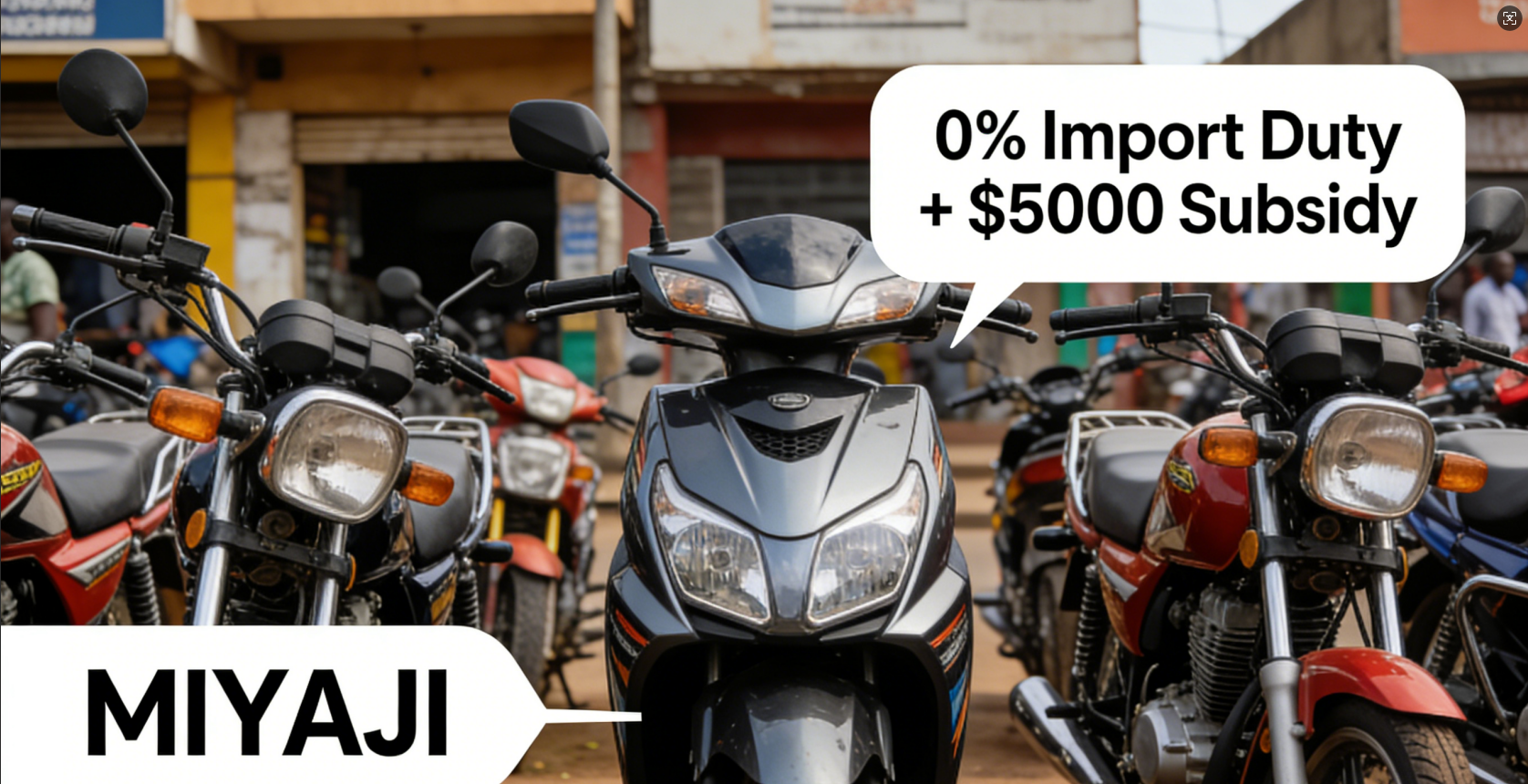 2026: Kenya's Electric Vehicle Export Market Booms! Zero Tariffs + 500,000 Yuan Subsidy for Battery Swapping Stations – Don't Miss Out!
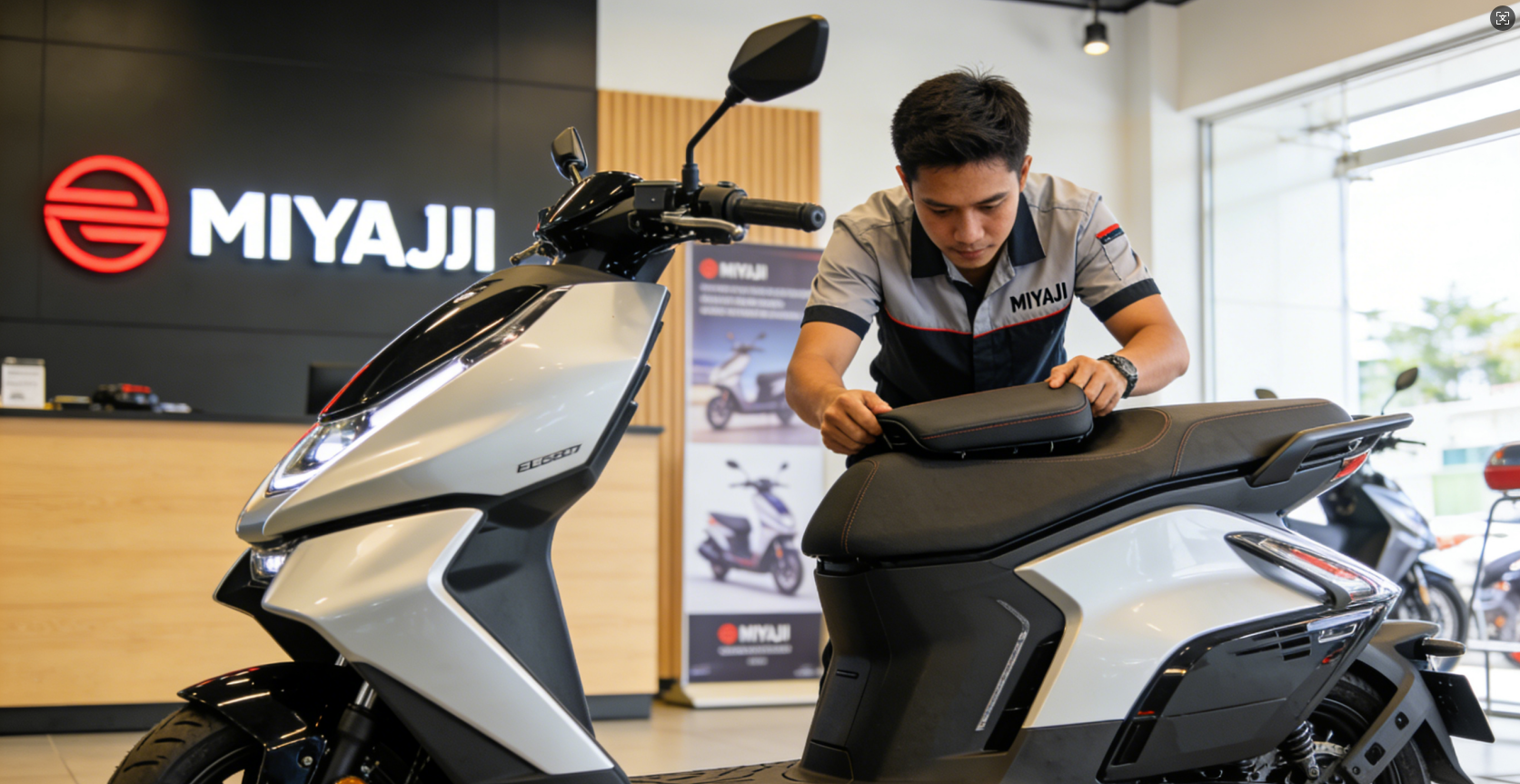 Localization and Win-Win: MIYAJI's New Overseas Expansion Model – Partnering to Deepen Market Development
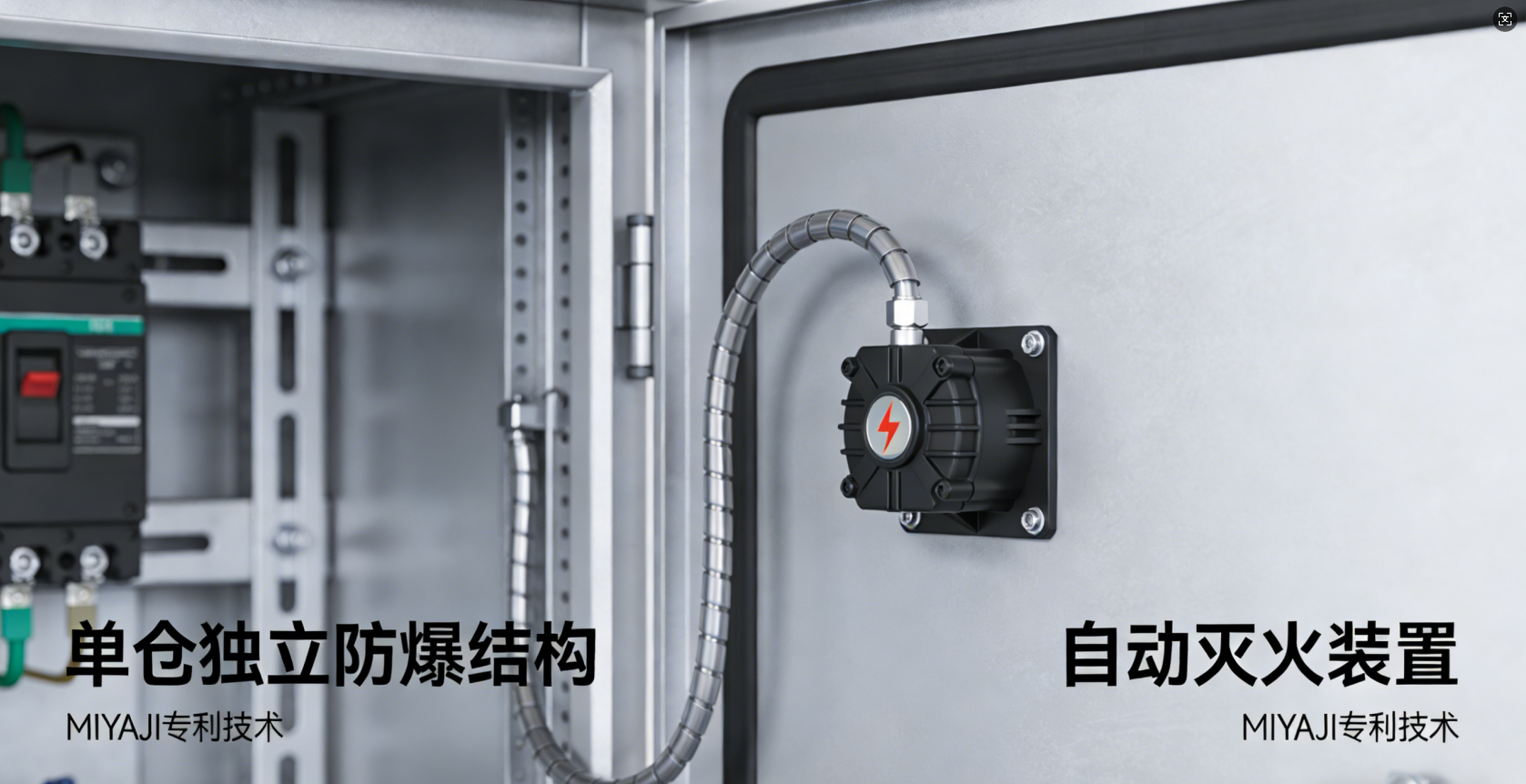 Safety First: MIYAJI's Integrated Vehicle-Battery Cabinet with Seven-Fold Safety Protection System