A New Paradigm for Battery Banking: MIYAJI's Hardware and Software Synergy Activates the Value of Energy Assets
With the development of new energy electrification, batteries, as core energy assets, directly impact the quality of industry development through their operational efficiency and management. Currently, pain points such as high vehicle purchase costs for end users, sluggish battery asset turnover for operators, significant cash flow pressure, and difficulties in managing the entire battery lifecycle are hindering the development of the new energy industry. MIYAJI breaks through traditional operating models, focusing on deep hardware and software synergy to create a new ecosystem of "Battery Bank + Battery Swapping Service," promoting vehicle-battery separation operations to help activate the value of battery assets and provide new ideas for industry development.
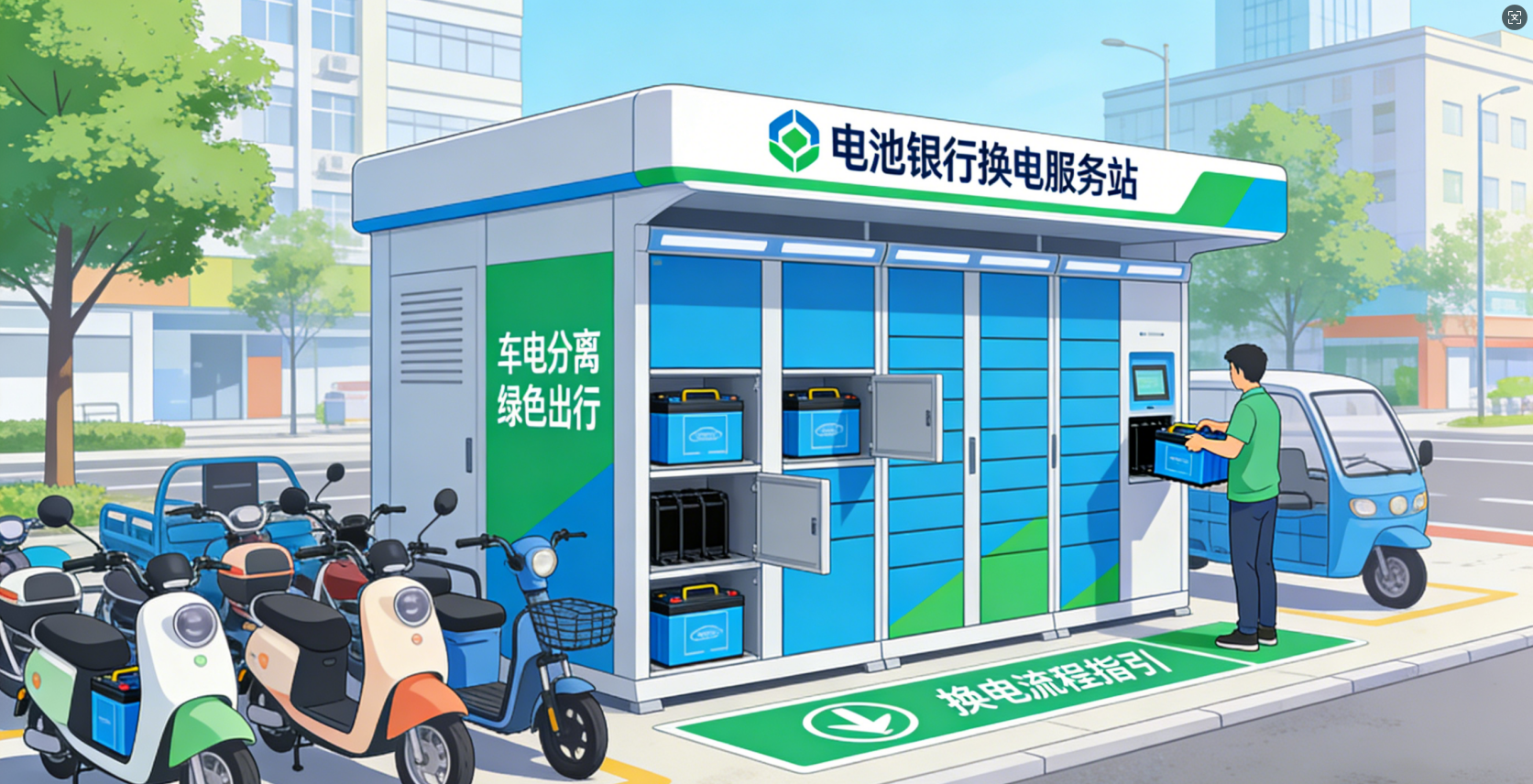
I. Model Innovation: Vehicle-Battery Separation, Building a New Ecosystem of "Battery Bank + Battery Swapping Service"
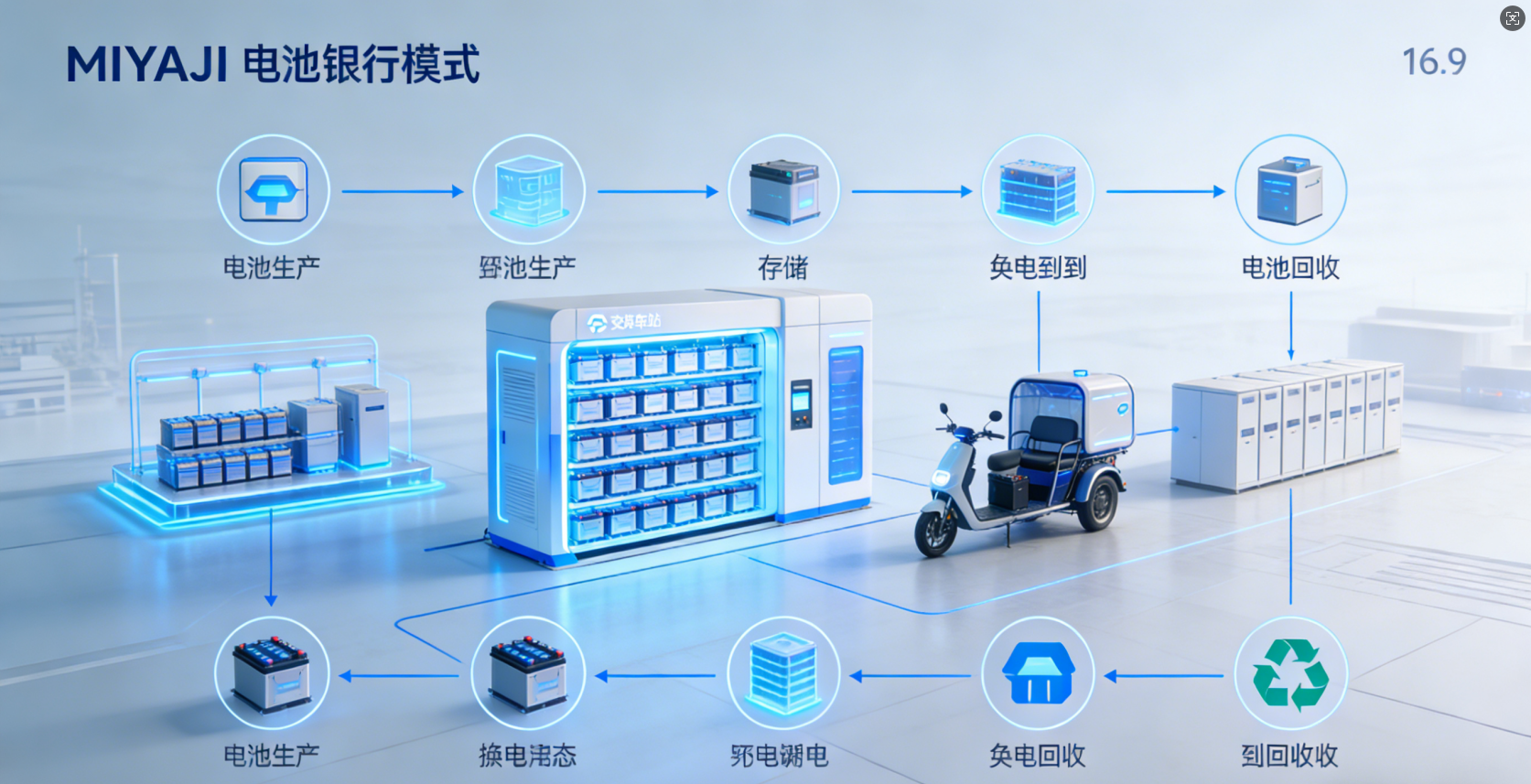
MIYAJI breaks the traditional "vehicle-battery binding" model, promoting vehicle and battery separation operations to build an ecosystem of "Battery Bank + Battery Swapping Service." Operators centrally procure and manage battery assets, while users only need to purchase/lease vehicles and obtain battery usage rights through battery swapping, achieving lightweight operation. Simultaneously, combined with the battery swapping network layout, the battery bank can complete the unified charging, maintenance, scheduling, and recycling of batteries, forming a closed loop of "asset management - battery swapping service - recycling," promoting the transformation of battery assets from static idleness to efficient recycling.
II. Software Support: End-to-End Management, Solidifying the Foundation of Asset Control
Software and hardware synergy is the core support for the implementation of this model. MIYAJI's dedicated software system enables refined management of battery assets throughout the entire process. The system has built-in battery lifecycle management functions, monitoring battery status in real time, predicting degradation trends, extending service life and reducing losses through scientific maintenance; it is equipped with a flexible subscription billing system, which can customize diverse billing schemes according to user needs, balancing the needs of both parties; and it simultaneously achieves real-time visual monitoring of assets, ensuring battery traceability and controllability, reducing the risk of loss.
III. Two-Way Empowerment: Optimizing User and Operator Experience
The MIYAJI battery bank model empowers both end users and operators. For users, battery swapping lowers the barrier to entry for purchasing vehicles and reduces financial pressure, while convenient battery swapping alleviates range and charging pain points. For operators, centralized battery management optimizes control efficiency, cyclical reuse and refined maintenance reduce operational losses, and flexible subscription models improve cash flow and alleviate asset idleness.
IV. Adaptable Scenarios: Broad Coverage, Responding to Multiple Entities' Needs
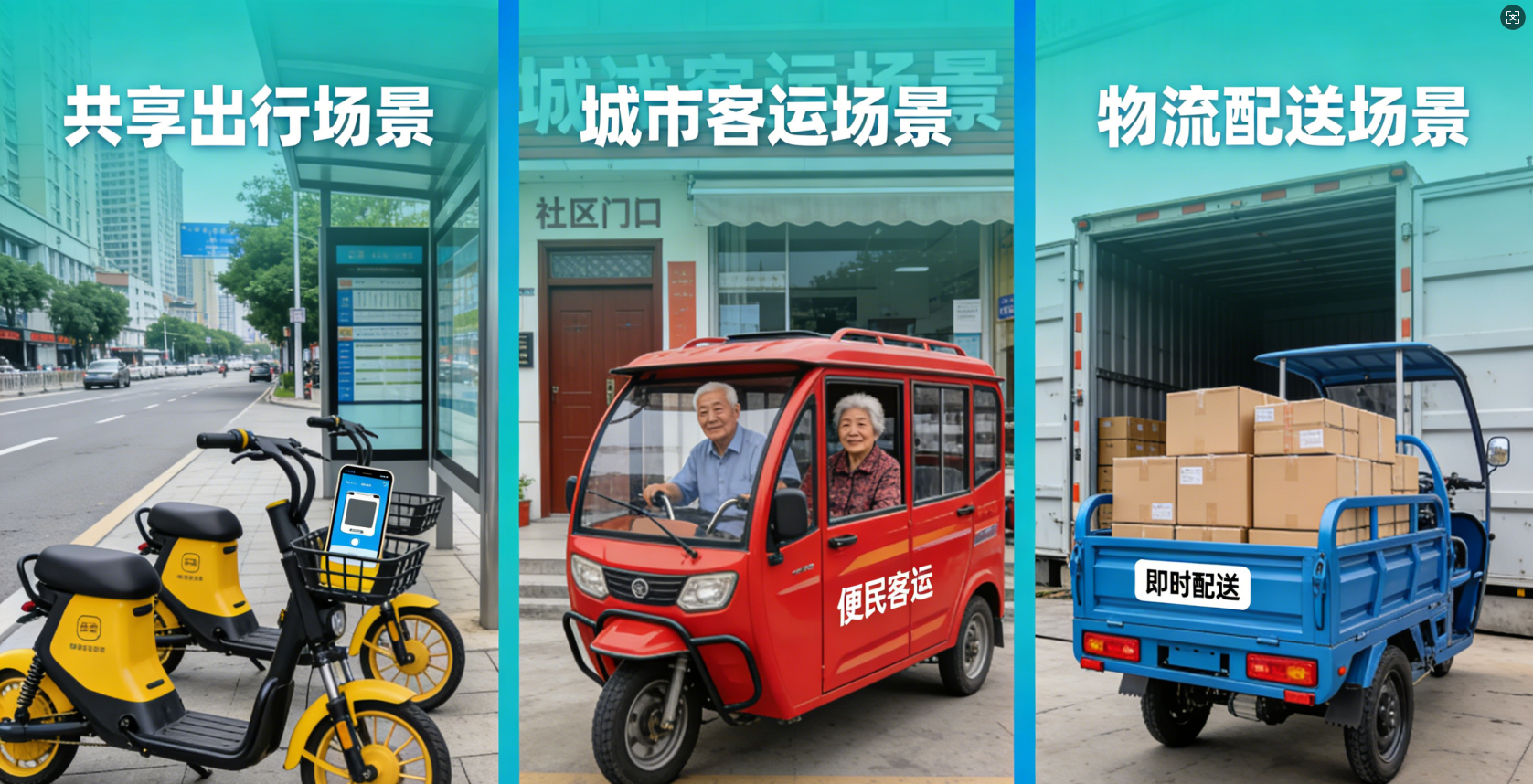
This model, with its flexibility and practicality, is widely adaptable to various new energy scenarios. On shared mobility platforms, it can be adapted to shared electric vehicles, optimizing operational efficiency and streamlining maintenance through battery swapping. For small and medium-sized logistics companies, it can be adapted to electric two-wheeled/three-wheeled logistics vehicles, combining battery swapping and fast charging to alleviate delivery range and refueling challenges, helping companies optimize their cost structure.
In the high-quality development stage of the new energy industry, efficient utilization of battery assets has become an important direction. MIYAJI, guided by model innovation and supported by software and hardware synergy, is building a new paradigm of "battery bank + battery swapping service," helping to alleviate industry pain points, activate the potential value of batteries, and provide tangible support for users and operators. In the future, MIYAJI will continue to optimize its solutions and expand its application scenarios to promote the orderly implementation of this model and contribute to the sustainable development of the new energy industry.
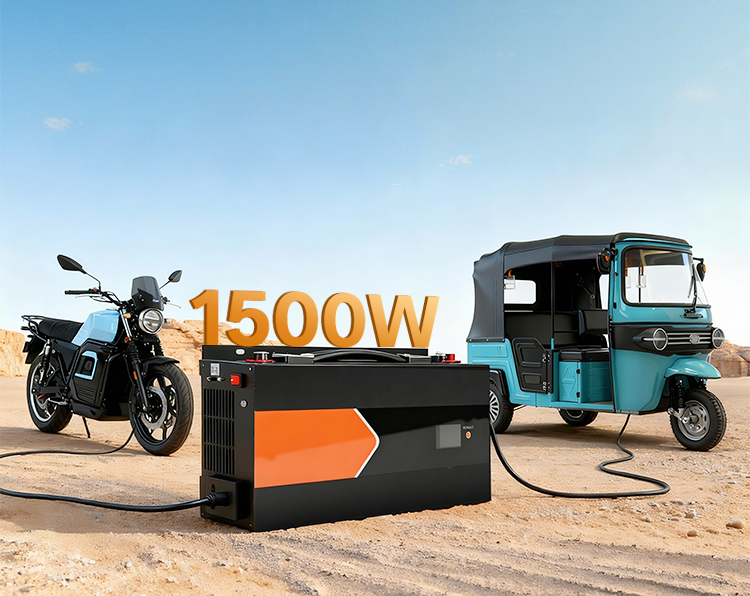 MIYAJI Bi-Charger Battery-Free Bi-Directional Charger for E2W & E3W
 2026: Kenya's Electric Vehicle Export Market Booms! Zero Tariffs + 500,000 Yuan Subsidy for Battery Swapping Stations – Don't Miss Out!
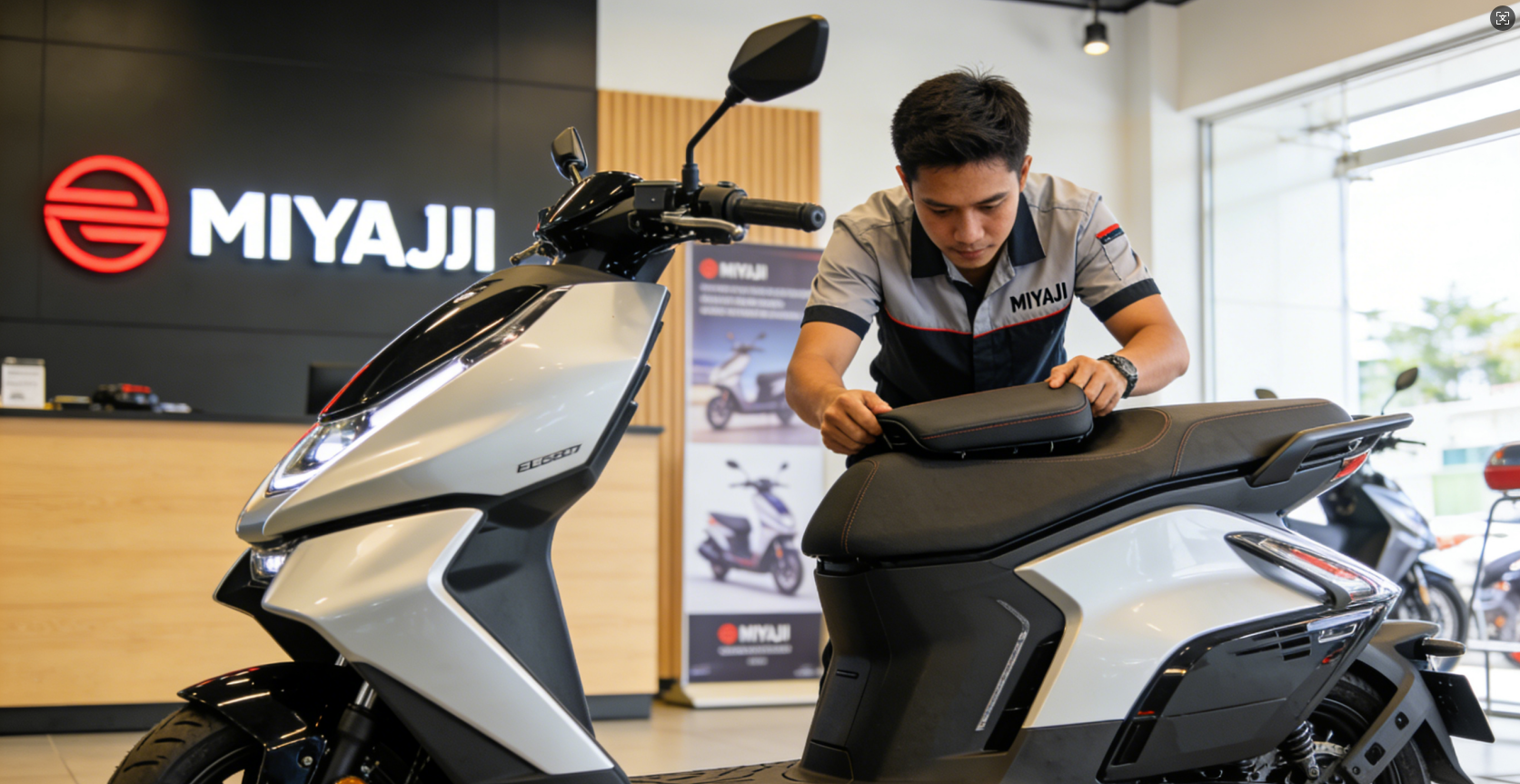 Localization and Win-Win: MIYAJI's New Overseas Expansion Model – Partnering to Deepen Market Development
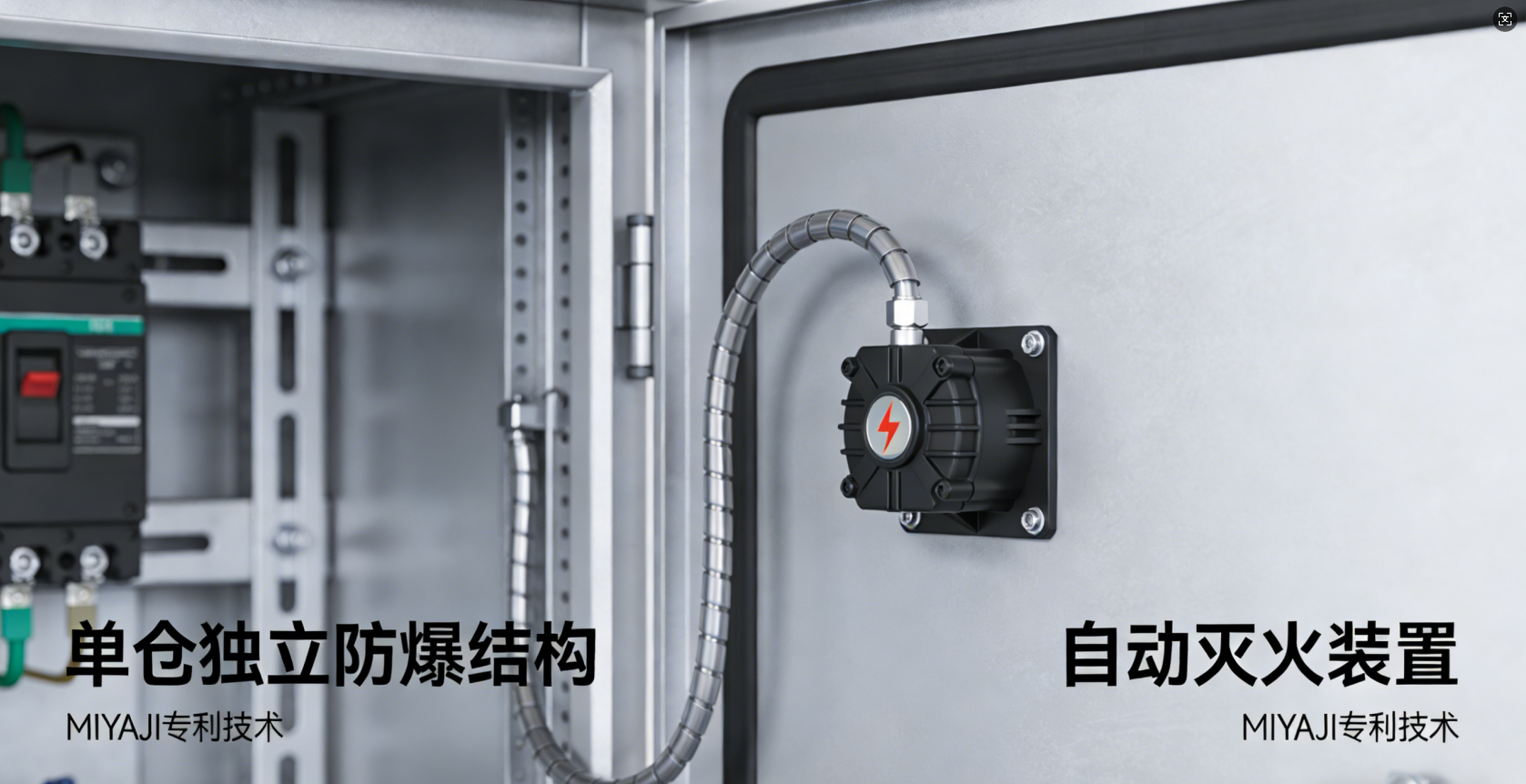 Safety First: MIYAJI's Integrated Vehicle-Battery Cabinet with Seven-Fold Safety Protection System