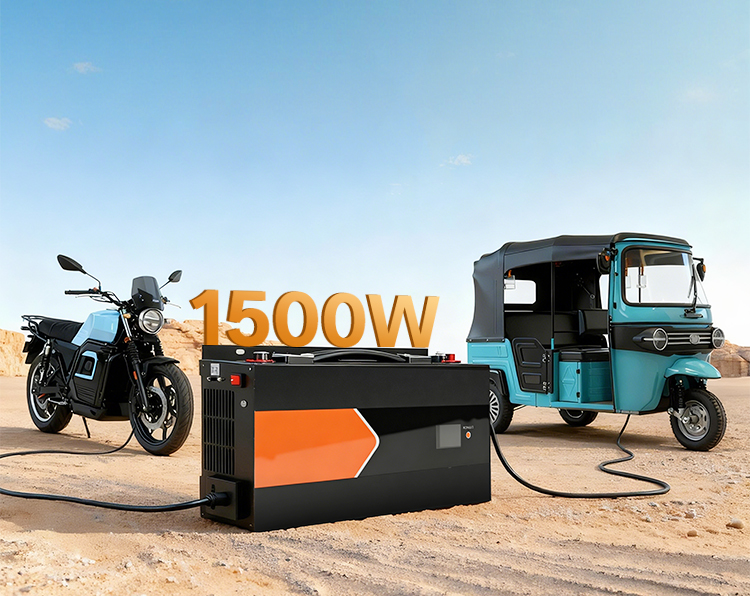
The Core Difference Between Electric Motorcycles and Electric Bicycles
While both electric motorcycles and electric bicycles are classified as two-wheeled electric vehicles, they differ fundamentally in vehicle attributes, core specifications, regulatory requirements, and usage scenarios. The key distinction lies in compliance with the "Technical Specifications for Safety of Electric Bicycles" (GB17761-2018). Below is a detailed breakdown of their differences across multiple dimensions:

1. Core Definitions and Vehicle Attributes
1.1 Electric Bicycle: Classified as a "non-motorized vehicle," it is defined as "a two-wheeled bicycle equipped with an onboard battery as auxiliary power, featuring pedal-assisted or electric drive capabilities." Its core characteristic is retaining pedal-assisted functionality, essentially representing an electrified upgrade of bicycles.
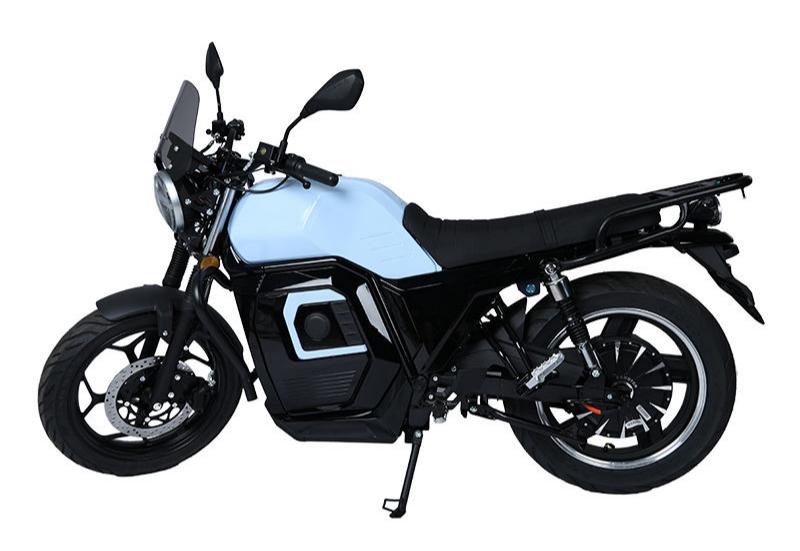
2.2. Electric motorcycles: Classified under the category of "motor vehicles," they are defined as "motorcycles powered by electricity," lacking pedal-assisted riding functionality. Their power output and overall structure closely resemble those of traditional fuel-powered motorcycles. Based on speed and power, they can be further subdivided into two types: electric mopeds (F license plate) and electric motorcycles (E license plate).
II. Key Technical Parameter Requirements The parameter differences between the two are the core basis for regulatory definition. Electric bicycles must strictly comply with national standard limits, with any deviation classified as electric motorcycles (or "non-compliant electric vehicles"): Parameter Items Electric Bicycle (National Standard) Electric Motorcycle Maximum Speed ≤25km/h (electric drive mode) Electric Light Motorcycle: ≤50km/h; Electric Ordinary Motorcycle:>50km/h Total Vehicle Weight (Including Battery) ≤55kg No clear upper limit (typically far exceeding 55kg) Motor Power ≤400W Electric Light Motorcycle: 400W <Power ≤4kW; Electric Ordinary Motorcycle:>4kW Battery Voltage ≤48V No clear upper limit (commonly 60V,72V, etc.) Pedal Function Must Be Present (Core Determination Condition) Absent (pedal function prohibited) Body Dimensions Length ≤1850mm, Width ≤600mm, Height ≤1150mm No strict limits, larger dimensions (longer and wider bodies)
III. Regulatory Requirements and Usage Threshold Differences Due to distinct vehicle attributes, there are significant variations in registration, license plate requirements, insurance, and driving routes: Registration and Licensing: Electric bicycles require registration and licensing (non-motor vehicle plates in some regions), with simple procedures and lower costs; Electric motorcycles must be managed as motor vehicles, requiring motor vehicle license plates and registration certificates, with more complex procedures and higher costs.
Driving qualifications: Electric bicycles do not require a driver's license and can be ridden by individuals aged 16 or above; electric mopeds require a Class F or higher driver's license, while electric motorcycles require a Class E or higher driver's license. Unlicensed driving is considered a legal violation.
Insurance requirements: No compulsory insurance is required for electric bicycles (voluntary purchase may be available in some regions); electric motorcycles must be insured with compulsory motor vehicle liability insurance as stipulated for motor vehicles, and are prohibited from being driven on roads without such insurance.
Driving route: Electric bicycles may use the non-motorized lane, and some cities allow them to use the edge of the motorized lane; electric motorcycles must use the motorized lane (usually the rightmost lane) and are prohibited from entering the non-motorized lane.
Penalties for violations: Electric bicycles are penalized under non-motor vehicle regulations (e.g., fines, impoundment); electric motorcycles are penalized under motor vehicle regulations (e.g., demerit points, fines, temporary license suspension, with severe cases potentially involving criminal liability).
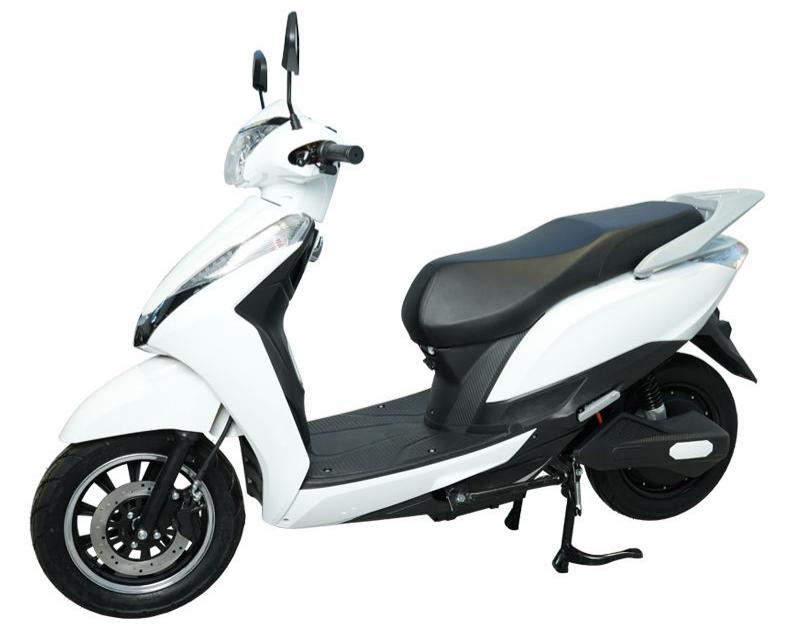
1. Electric Bicycles: The key advantages are "convenience, low cost, and low entry barrier", making them ideal for short commutes (3-10km), daily grocery runs, and child transportation. No need to worry about driving licenses or insurance, and they are easy to park, catering to urban commuters (e.g., students, middle-aged and elderly individuals, and office workers).
2. Electric motorcycles: The core advantages are "strong power, long range, and high speed", making them suitable for medium-to-long-distance travel (over 10km), suburban commuting, or scenarios requiring power (e.g., cargo transportation, hill climbing). However, the higher usage costs (insurance, maintenance, fuel/charging expenses) make them suitable for individuals with driver's licenses who frequently engage in medium-to-long-distance travel.
V. Core Summary: How to Distinguish Quickly?
1. Check for pedal-assisted cycling function: Electric bicycles typically have this feature, while motorcycles do not.
2. Assess speed and power: A maximum speed exceeding 25km/h with a motor power over 400W generally qualifies as an electric motorcycle.
3. Identify license plate color: Blue or green non-motor vehicle plates indicate electric bicycles, whereas yellow motor vehicle plates signify electric motorcycles.
Note: Some "non-compliant electric bicycles" (vehicles exceeding national standards) may look like electric bikes but are legally classified as electric motorcycles and must be registered as motor vehicles. Always verify the vehicle's classification and local regulations before use to avoid violations.