MIYAJI New Energy: A One-Stop Solution Combining Battery Swapping and Fast Charging, with 'Integrated Vehicle-Electricity-Panel System and Collaborative Hardware-Software for Global Expansion'
I. Company Positioning: A Global Leader in IoT Manufacturing for New Energy Replenishment
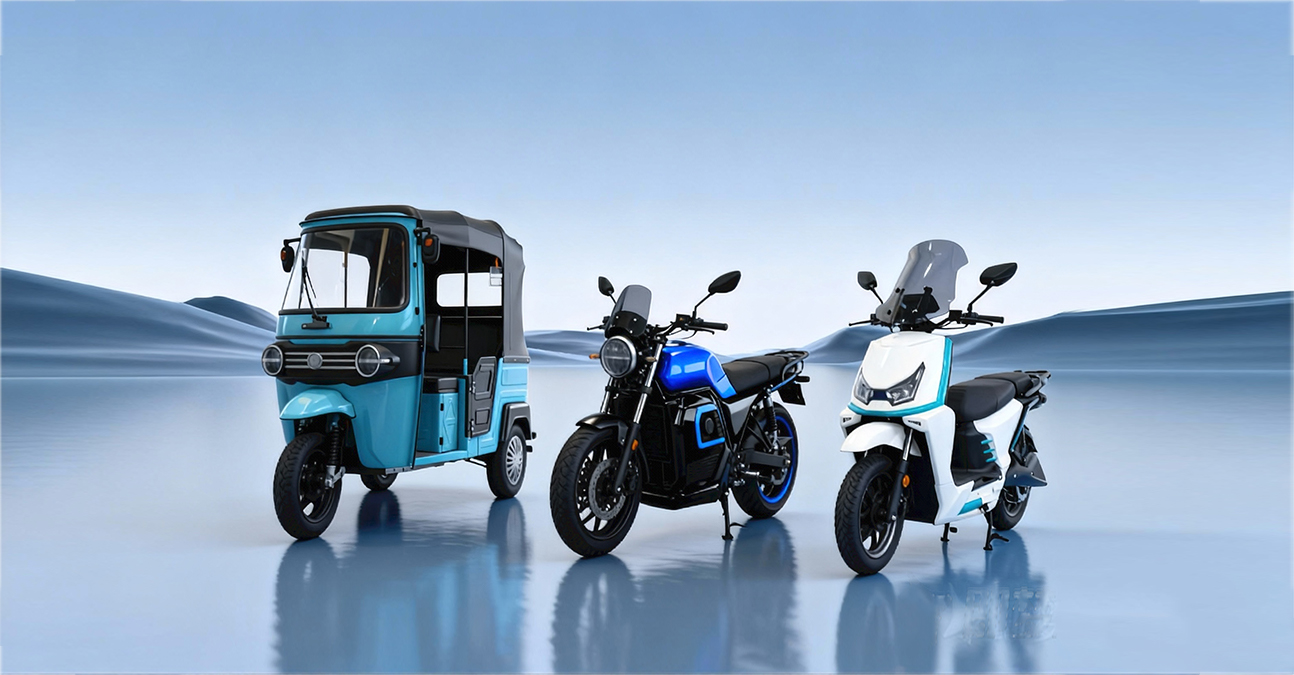
MIYAJI New Energy focuses on the R&D, production, and sales of one-stop solutions for new energy vehicle battery swapping and fast charging. It is a manufacturing service provider with core IoT technologies. Leveraging its innovative "vehicle-battery-cabinet integration" architecture and its technological advantages in "software and hardware synergy"—specifically targeting electric motorcycles, electric bicycles, and electric tricycles, integrating lithium batteries and battery swapping cabinets to form a complete replenishment solution—MIYAJI adopts a global market strategy, committed to providing overseas customers with efficient, safe, and intelligent full-chain new energy replenishment services, contributing to global energy transformation and green mobility upgrades.
II. Core Solution: Battery Swapping + Fast Charging Integration, Unlocking All-Scenario Energy Replenishment Needs
2.1 Integrated Vehicle-Battery Cabinet Architecture, Achieving Dual Optimization of Space and Efficiency
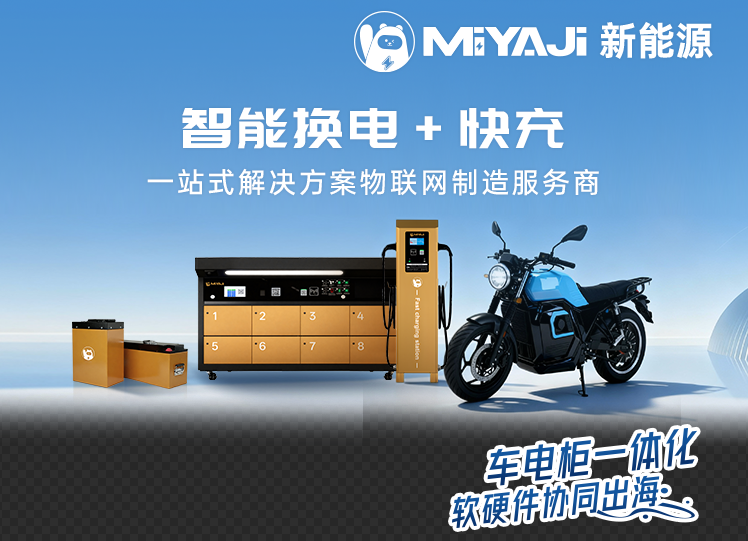
MIYAJI has innovatively launched an integrated vehicle-battery cabinet solution. The core of this solution revolves around the energy replenishment needs of electric motorcycles, electric bicycles, and electric tricycles, highly integrating customized lithium batteries, battery swapping cabinets, charging modules, and intelligent control units. This breaks the limitations of traditional energy replenishment equipment that separates battery swapping from fast charging and separates vehicle and battery cabinet components. This architecture boasts three core advantages: First, it increases space utilization by 50%, requiring only half the footprint of a traditional charging station to achieve dual functionality of battery swapping and fast charging, making it suitable for various compact scenarios such as urban commercial districts, industrial parks, transportation hubs, and food delivery stations. Second, it upgrades installation convenience with a modular design that supports rapid disassembly and assembly for front maintenance, shortening the installation cycle to within 3 days and significantly reducing the cost of implementing overseas projects. Third, it enhances collaborative scheduling through intelligent linkage between the cabinets, lithium batteries, and electric motorcycles/bicycles/tricycles, enabling precise matching of battery status and charging needs, thus improving the overall operational efficiency of the charging network.
2.2 Full-scenario adaptation, precisely covering the diverse needs of electric motorcycles/bicycles/tricycles
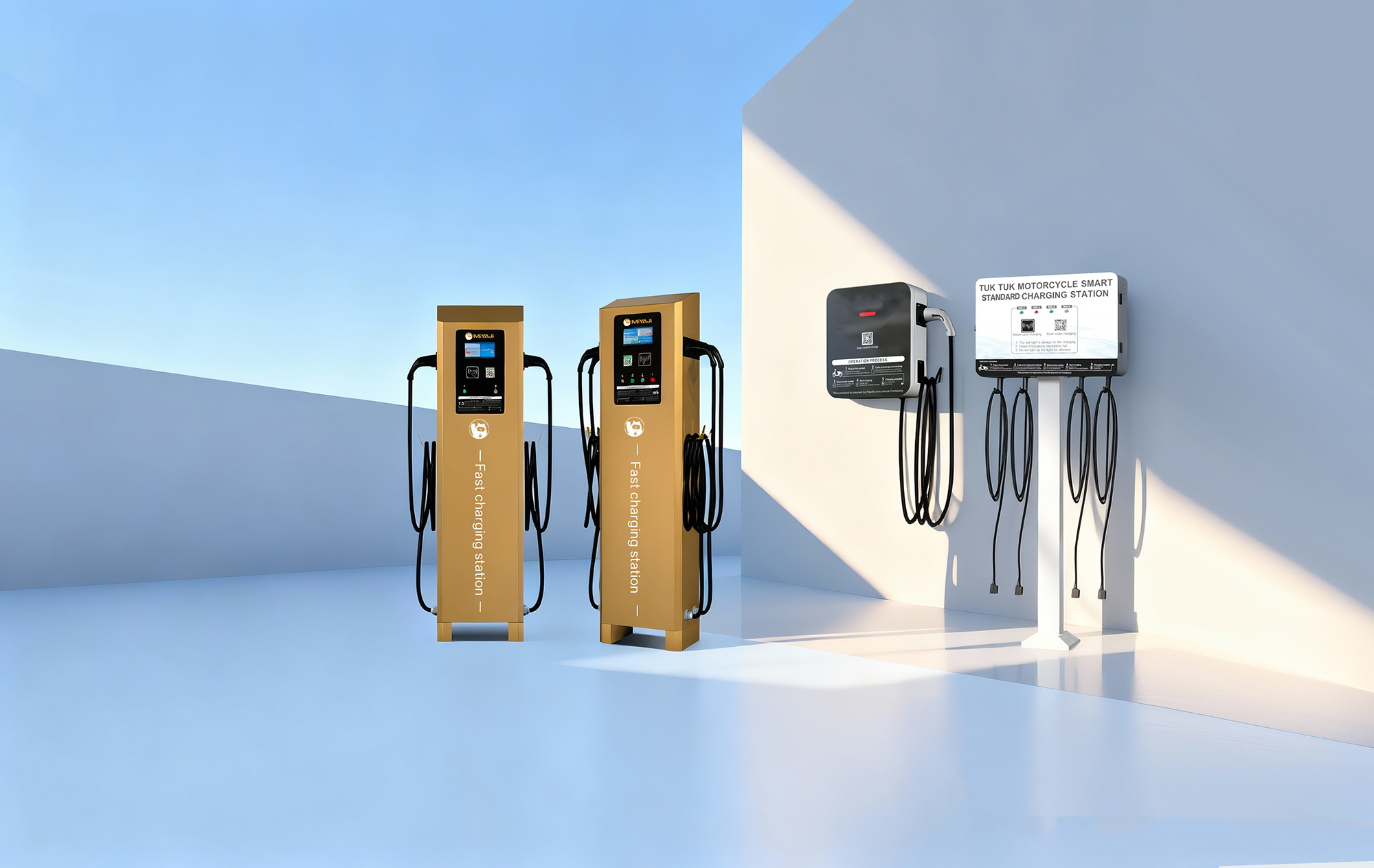
Commercial delivery scenario: Addressing the high-frequency energy replenishment needs of electric motorcycles and tricycles used by delivery riders and logistics personnel, it provides a 10-second seamless battery swapping service. Equipped with a 60kW fast charging module, its battery swapping efficiency is 3 times higher than the industry average. A 15-minute fast charge can replenish 200 kilometers of range, completely solving the pain points of "range anxiety" and "waiting time" for delivery vehicles. It is compatible with the battery specifications of mainstream delivery vehicle models worldwide.
Short-distance commuting and park scenarios: Customized multi-warehouse battery swapping cabinets (6-18 warehouses can be flexibly cascaded), supporting multiple battery specifications such as 48V, 60V, and 72V. Perfectly matches the charging needs of electric bicycles, small electric motorcycles, and electric tricycles in industrial parks, while integrating a slow-charging interface to meet daily low-frequency charging needs. Offline cascading technology ensures normal battery swapping even during network outages.
Shared Mobility Scenarios: Provides shared electric motorcycle and shared bicycle operators with a comprehensive charging solution that prioritizes battery swapping and supplements it with fast charging. The vehicle-battery separation model can reduce operators' vehicle purchase and battery maintenance costs by 30%-40%. Combined with a battery tiered utilization system, it achieves full lifecycle cost optimization and supports universal battery interchangeability across multiple brands.

III. Core Technological Advantages: IoT-Driven, Building a Software-Hardware Collaborative Barrier
3.1 IoT Full-Link Management, Ensuring Equipment Safety and Efficient Operation and Maintenance
As an IoT manufacturing service provider, MIYAJI deeply integrates cellular IoT technology into the full lifecycle management of charging equipment. Adopting a Cat.1/5G RedCap dual-mode IoT module, it achieves real-time uploading of key data such as battery voltage, temperature, and health status once per second. Combined with cloud-based AI algorithms for fault warning, it reduces the accident rate by 90%. Simultaneously, it supports remote monitoring, remote fault diagnosis, and FOTA online upgrades. Maintenance personnel can view the real-time status of devices worldwide via mobile devices, extending maintenance cycles to 3-6 months and reducing maintenance costs by 70%.
3.2 Deep Hardware and Software Collaboration for an Ultimate Energy Recharge Experience
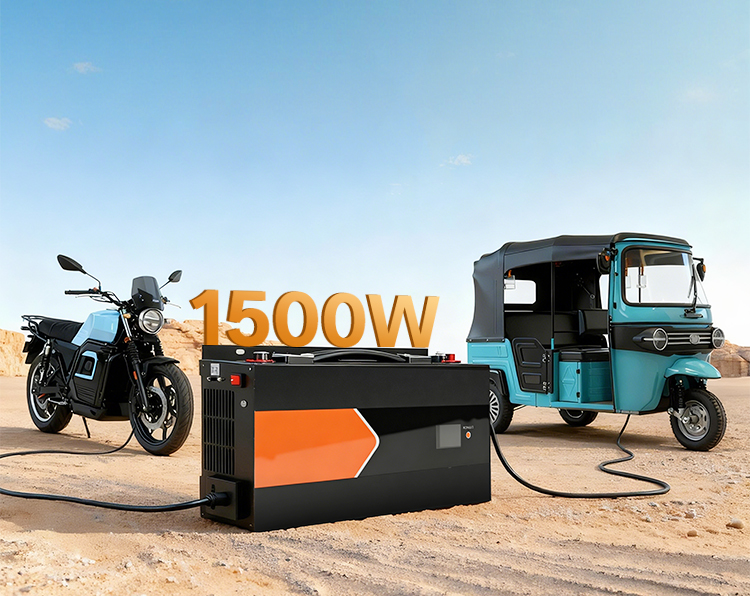
Hardware: A self-developed high-protection-level cabinet (IP67) is adapted to extreme climates from -40℃ to 55℃, featuring a built-in intelligent temperature control and aerosol fire suppression system, responding to battery overheating risks within 0.1 seconds. The battery pack adopts a standardized design, precisely matching the installation dimensions and voltage requirements of electric motorcycles, bicycles, and tricycles, supporting universal interchangeability across multiple brands and reducing industry adaptation costs. For the high power characteristics of electric tricycles, the cabinet's power supply module is optimized, with a power handling capacity of up to 3500W, meeting high-power energy recharge needs.
Software: A multilingual intelligent management platform has been developed, supporting eight languages including Chinese, English, Spanish, and Arabic, adapting to the habits of users in different overseas regions. Integrated intelligent scheduling functions allow users to check the location of nearby battery swapping stations/fast charging piles and the number of available batteries in real time via an app, achieving precise navigation and seamless payment. It also supports visualized analysis of operational data, providing decision-making support for overseas customers.
IV. Global Expansion Capabilities: Full-Chain Adaptation Facilitates Rapid Implementation of Overseas Projects
4.1 Product Localization Adaptation, Breaking Through Overseas Market Barriers
MIYAJI customizes and optimizes its products to suit the characteristics of different overseas markets: In the African market, it enhances the equipment's resistance to high temperatures and dust storms, adapts to local weak network environments, uses solar-assisted power supply modules to solve the problem of unstable mains power in some areas, and optimizes the battery's high-temperature resistance to adapt to the high-frequency usage scenarios of electric motorcycles/tricycles; In the European and American markets, the products have passed international certifications such as WVTA, UL, and CE, comply with EU carbon footprint and North American CARB standards, and the charging interface is compatible with the mainstream specifications of local electric two-wheelers/tricycles; In the Southeast Asian market, it optimizes the cabinet's anti-corrosion design to adapt to hot and humid climates, supports local currency payments and halal certification requirements, and specifically addresses the charging pain point of electric motorcycles/tricycles used for short-distance delivery.
4.2 Full-Chain Service Support to Ensure Smooth Project Progress
To facilitate the implementation of overseas projects, MIYAJI provides a full-chain service encompassing "preliminary research - product customization - certification processing - installation and commissioning - operation and maintenance training": establishing localized service teams covering major global markets with a response time of no more than 24 hours; assisting clients in completing policy compliance research and certification applications in target markets, shortening the project access cycle; providing overseas warehousing and logistics support to ensure rapid equipment delivery; conducting specialized training for operation and maintenance personnel and outputting multilingual operation and maintenance manuals to ensure the long-term stable operation of the energy replenishment network.
V. Future Outlook: Driving the Upgrade of the Global Energy Replenishment Ecosystem through Technological Innovation
MIYAJI will continue to focus on technological innovation in the field of new energy replenishment, deepen the integration of "battery swapping + fast charging + energy storage" into a three-network convergence layout, and promote the standardization and cascade utilization system of batteries. Leveraging its core advantages in software and hardware synergy, MIYAJI will further expand its overseas market footprint, working with global partners to build an efficient, green, and intelligent energy replenishment ecosystem, contributing Chinese intelligent manufacturing power to the global energy transition.
Custom Equipment Solutions: Customized battery swap cabinets for overseas markets, Africa, and Southeast Asia; integrated solar-storage battery swap systems; lithium battery swap stations. Investment Services: Overseas battery swap investments; renewable energy investments in Africa; energy replenishment investments in Southeast Asia; break-even cycle analysis for battery swap projects; profitability projections for overseas battery swap operations. Full-Chain Empowerment: Overseas battery swap certification services (SONCAP, CE, TISI); overseas battery swap operation and maintenance; 48-hour on-site response.