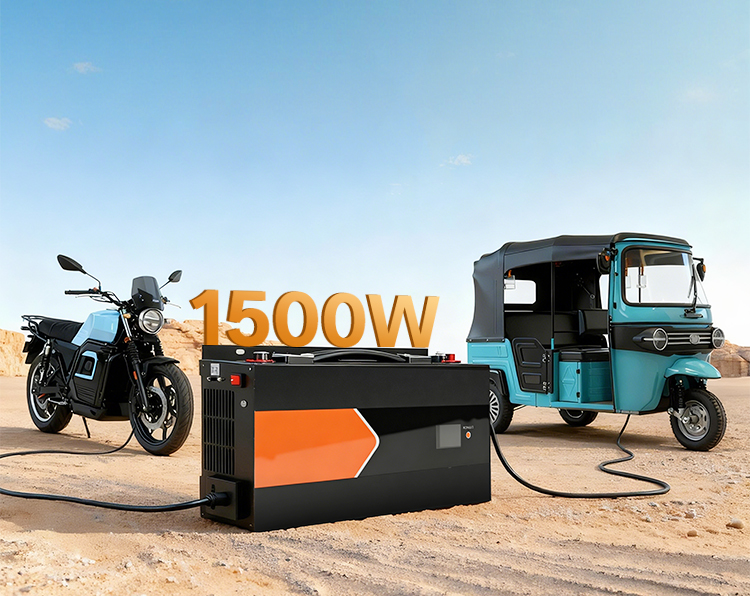
Logistics Cost Reduction Tool: MIYAJI Vehicle-to-Battery Cabinet Solution Facilitates Electrification Transformation of Overseas Logistics
As global logistics transitions towards green and intelligent solutions, overseas short-haul logistics faces numerous bottlenecks: the booming e-commerce sector in Southeast Asia has driven a surge in delivery demand; Africa and the Middle East suffer from weak infrastructure and unstable power supply; traditional fuel transportation is costly and faces significant environmental pressures; and electrification transformation is hampered by insufficient range, inefficient refueling, and inconvenient management. MIYAJI's integrated vehicle-to-battery cabinet solution precisely addresses these challenges. With "demand adaptation, hardware and software synergy, cost control, and full-scenario coverage" as its core, it becomes a key support for cost reduction and efficiency improvement in overseas logistics electrification, suitable for overseas logistics fleets primarily composed of electric motorcycles and tricycles.
I. Core Demand Adaptation: Long Range + High-Frequency Refueling, Aligning with Fleet Operational Rhythms
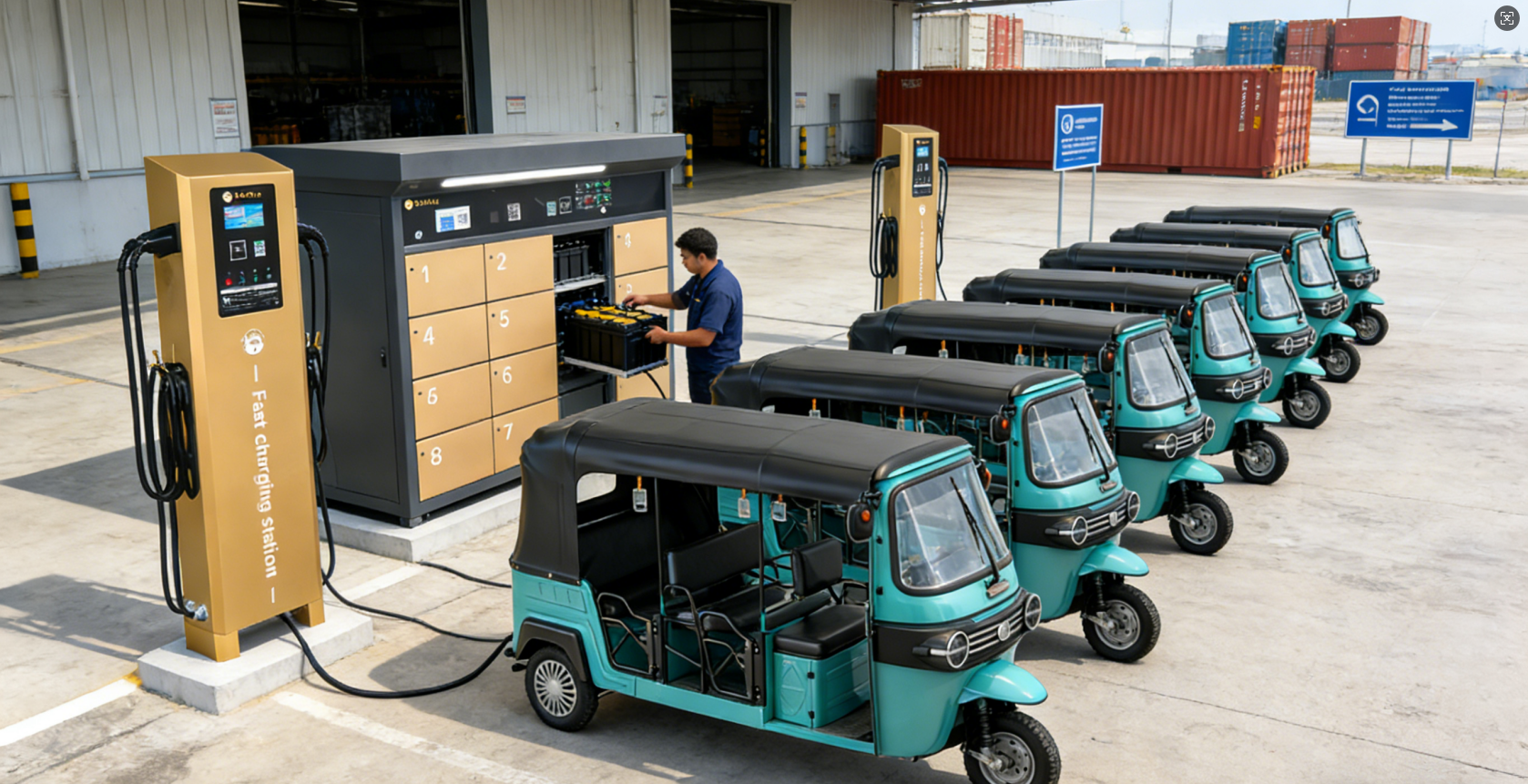
The core pain points for overseas short-haul logistics fleets are range and refueling efficiency. MIYAJI has created a combination of "long-range lithium batteries + high-frequency refueling," perfectly adapting to operational needs. The solution utilizes automotive-grade lithium iron phosphate cells with an energy density of 150Wh/kg, three times that of ordinary lead-acid batteries, capable of meeting daily short-distance delivery needs of 150-250km, completely eliminating range anxiety. It also supports dual modes of 30-second ultra-fast battery swapping and 1-hour fast charging, improving energy replenishment efficiency by over 300%. It does not rely on a comprehensive public charging network, is suitable for areas with weak infrastructure, ensuring vehicles operate with minimal idle time and maximize production capacity.
II. Hardware and Software Collaboration: Data Linkage for Optimized Scheduling and Energy Replenishment Planning
Addressing the challenges of dispersed overseas fleets and inconvenient scheduling, MIYAJI achieves real-time linkage between the fleet management system and battery swapping data, empowering efficient operation through intelligent management. In terms of hardware, the vehicle charging cabinet is seamlessly compatible with lithium batteries. The battery is equipped with an intelligent BMS management system that monitors core data and issues alarms in real time. The charging cabinet supports customization for 4-12 warehouses to suit different fleet sizes. On the software side, the intelligent cloud management platform, relying on dual-mode modules, provides full-dimensional visualization of vehicle location, battery status, and battery swapping records, helping managers intelligently plan delivery and refueling routes and reduce manual management costs.
III. Cost Control: Multi-dimensional cost reduction to compress overall operating costs
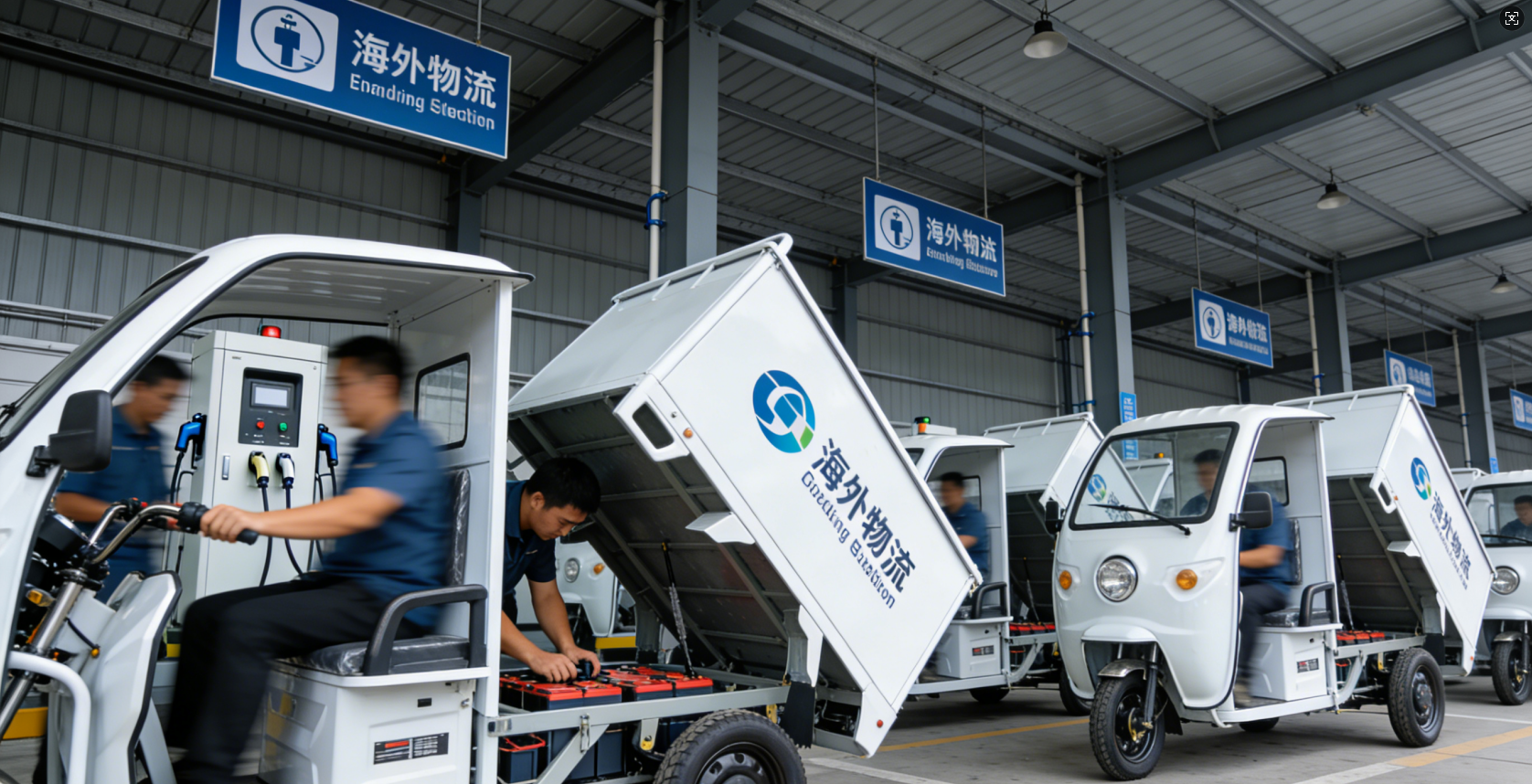
MIYAJI helps overseas logistics companies control costs and increase efficiency in three ways: First, reducing idle costs; rapid battery swapping and fast charging modes reduce vehicle idle rates by over 40% and increase delivery order volume by 30%. Second, reducing wear and tear costs; lithium batteries have a cycle life of over 3000 cycles and a lifespan of 5-8 years; combined with intelligent management to slow wear and tear, the fleet's total lifecycle operating costs are reduced by over 50%. Third, optimizing initial investment; supporting a "vehicle-battery separation" leasing model, compatible with various electric vehicle models, eliminating the need for large-scale modifications to existing vehicles and significantly reducing the financial pressure of transformation.
IV. Adaptable Scenarios: Full-Scenario Coverage, Facilitating Transformation Across Multiple Sectors
MIYAJI's vehicle-to-electricity cabinet solution comprehensively covers core scenarios in overseas short-haul logistics, adapting to mainstream vehicle types such as electric motorcycles and tricycles. In e-commerce last-mile delivery scenarios, it can be flexibly deployed around network points to solve the "last mile" problem; in park-based transshipment scenarios, centralized energy replenishment nodes enable unified vehicle scheduling and improve transshipment efficiency; in urban short-haul freight scenarios, with a wide temperature range of -20℃ to 60℃ and IP67 dustproof and waterproof performance, it adapts to extreme environments such as the high temperatures of the Middle East and sandstorms in Africa, ensuring efficient operation around the clock. Furthermore, when combined with a "photovoltaic + energy storage" model, it can meet the energy replenishment needs of areas without power grids, expanding its adaptability.
Conclusion
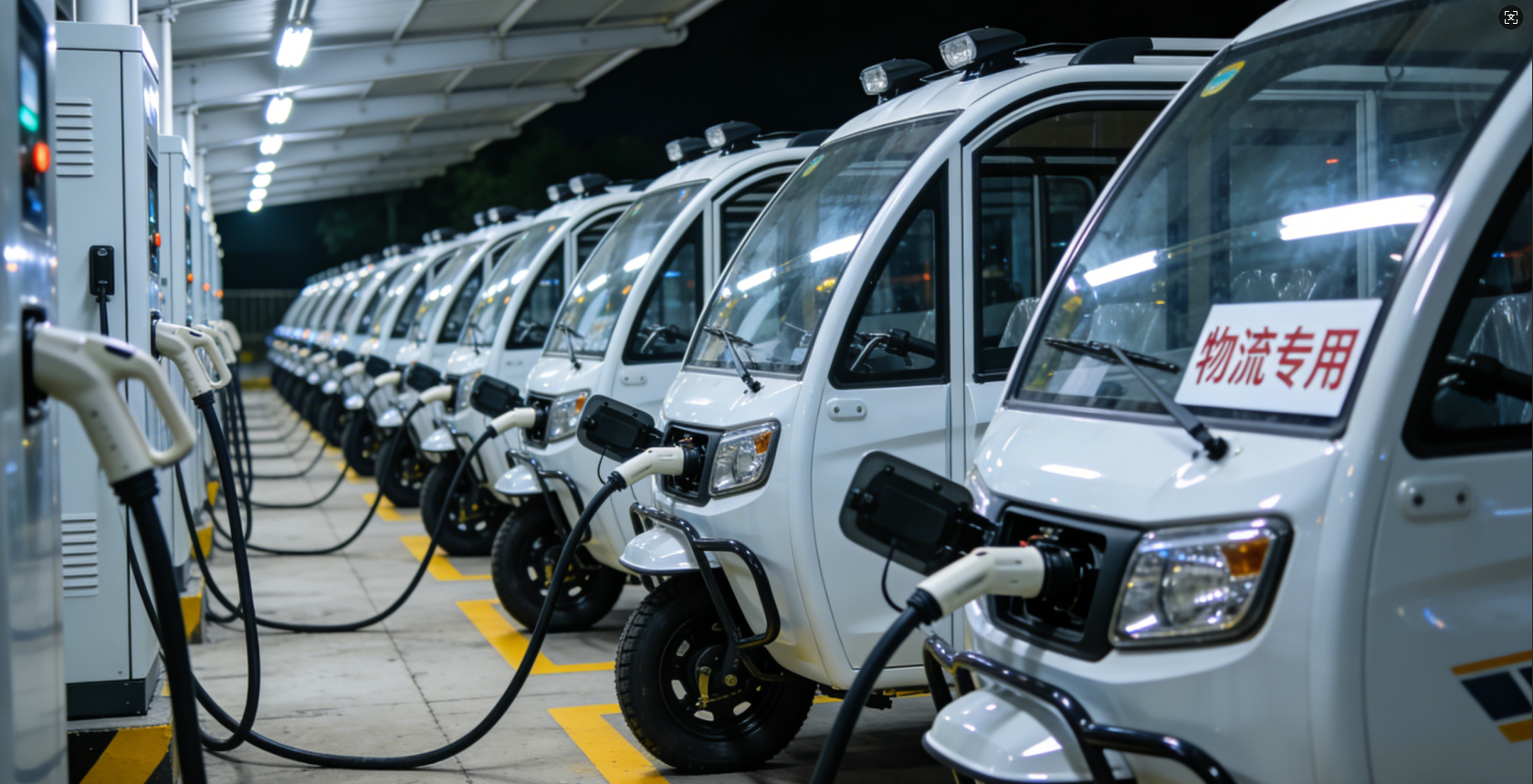
Electrification is an inevitable trend in the transformation of overseas short-haul logistics, but four major pain points—range, energy replenishment, cost, and management—constrain its implementation. MIYAJI's vehicle-to-electricity cabinet solution precisely addresses these industry pain points, balancing efficiency, intelligence, low cost, and full adaptability, providing overseas logistics companies with a reliable electrification solution and injecting new momentum into green transformation. In the future, MIYAJI will continue to deepen its presence in overseas markets, optimize product solutions, and help more logistics companies achieve electrification transformation and share the opportunities of green development.