2026: Kenya's Electric Vehicle Export Market Booms! Zero Tariffs + 500,000 Yuan Subsidy for Battery Swapping Stations – Don't Miss Out!
I recently chatted with a local Kenyan dealer, and one sentence really got me excited: "Importing electric vehicles now means no tariffs! And the government even subsidizes 500,000 Kenyan shillings (approximately 35,000 RMB) for building a battery swapping station. You'd be losing money if you didn't make it!"
Kenya's 2026 strategy is clearly aimed at attracting businesses. Today, we'll cut to the chase and provide practical tips on how to utilize the zero tariffs and how to claim the 500,000 yuan subsidy. Especially for those interested in starting an electric motorcycle (Boda Boda) business, bookmark this article so you don't miss out later.
First, the key points: Kenya's 2026 electric vehicle policy focuses on these two "money-making" aspects.
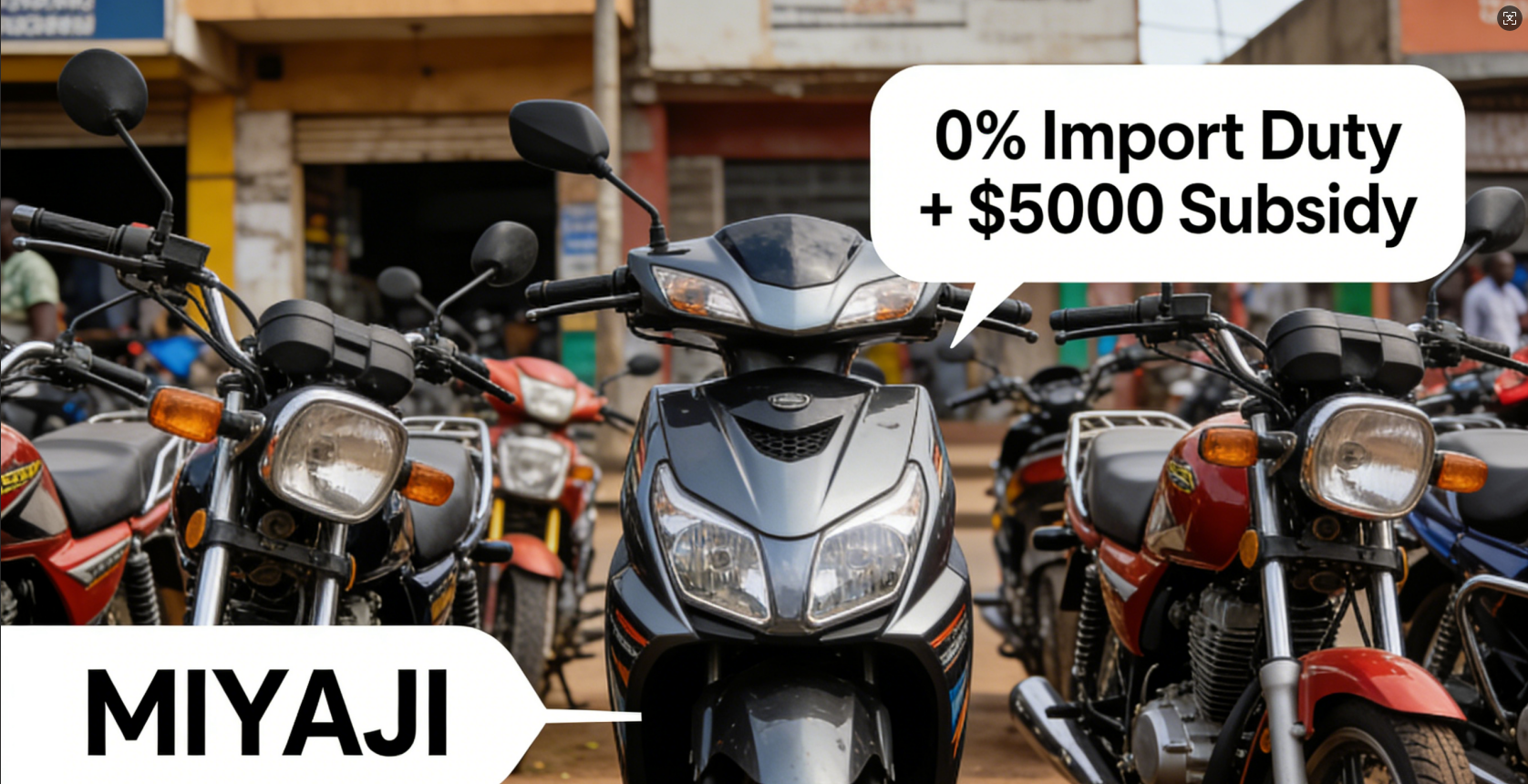
Previously, many people asked me, "How much is the import tariff on electric vehicles in Kenya?" Now you don't need to guess anymore—the latest 2026 policy clearly states: 0% import tariff on pure electric vehicles. Whether it's an electric motorcycle or an electric tricycle, as long as it's pure electric, the tariff is completely exempt!
Even more exciting is the battery swapping station subsidy: For each battery swapping station built, the government subsidizes 500,000 Kenyan shillings (approximately 35,000 RMB). Don't think this is a small amount; let me do the math for you: Building a small battery swapping station (capable of holding 10 batteries) costs about 200,000 RMB. With the government subsidy of 35,000 RMB, plus the local dealer's share, the cost is reduced by nearly 20%.
However, there are two key details to note, otherwise you might end up wasting your time:
1. Zero tariff is not "full tax exemption": While the tariff is waived, the 16% VAT still applies. However, compared to the previous 25%-35% tariff + VAT on imported vehicles, the cost has been significantly reduced.
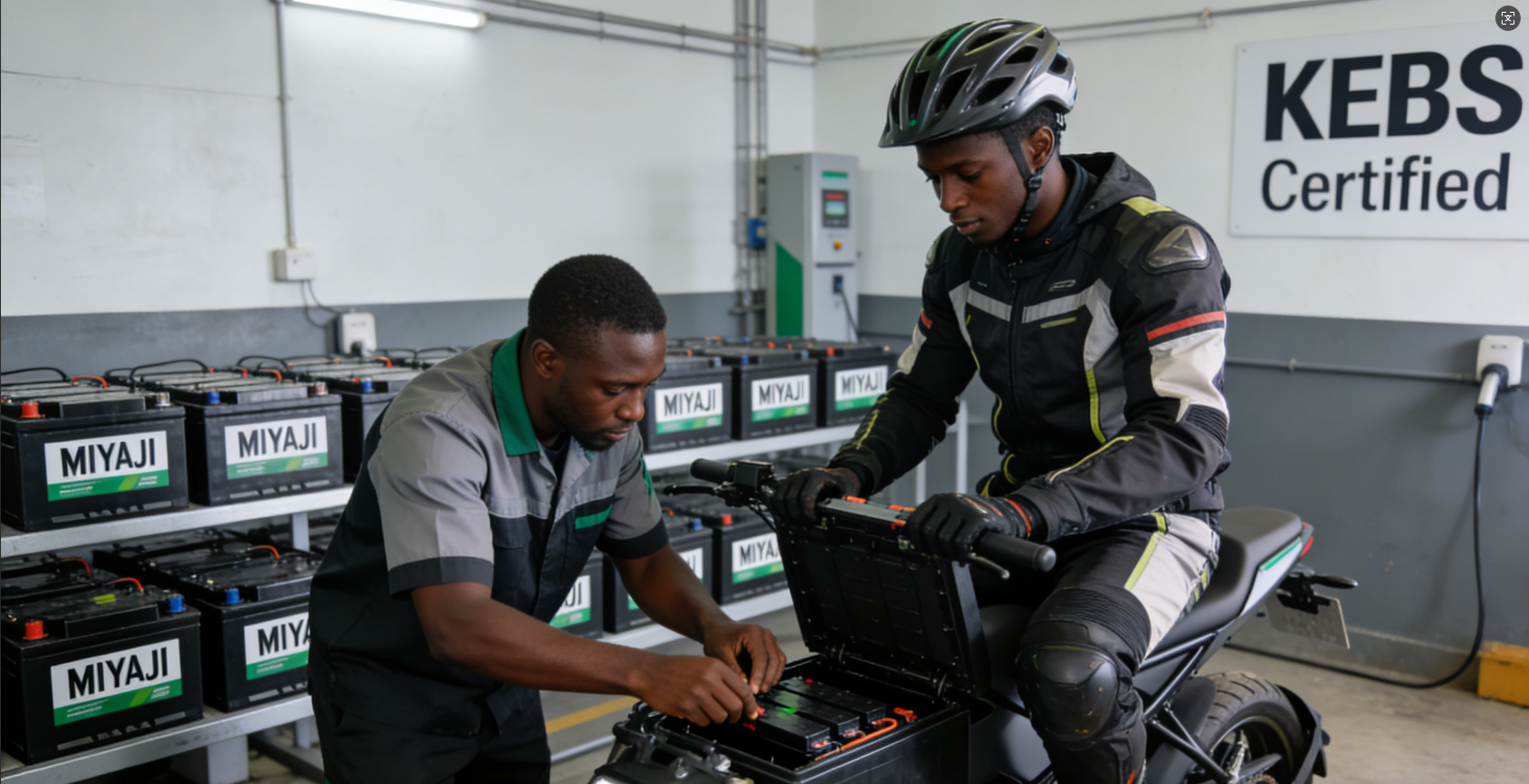
2. There are eligibility requirements for battery swapping station subsidies: You must first register with the Kenyan Ministry of Energy, and the batteries must meet Kenya Standards Bureau (KEBS) certification. You can't just build any station and get funding.
II. Why are electric motorcycles the "biggest winners" of this policy?
Some might ask, "Four-wheeled electric vehicles also enjoy zero tariffs, so why focus on electric motorcycles?"
Let me give you some data: Kenya currently has over 3 million gasoline-powered motorcycles (boda boda), making them the primary mode of transportation in cities—more than 10 times more than cars! Moreover, with local gasoline prices nearing $1.5 per liter, a rider's daily fuel cost for a gasoline-powered motorcycle is $20. Switching to an electric motorcycle, charging only costs $3, cutting operating costs to one-sixth—do you think riders wouldn't be willing to switch?
Furthermore, consider the favorable policies:
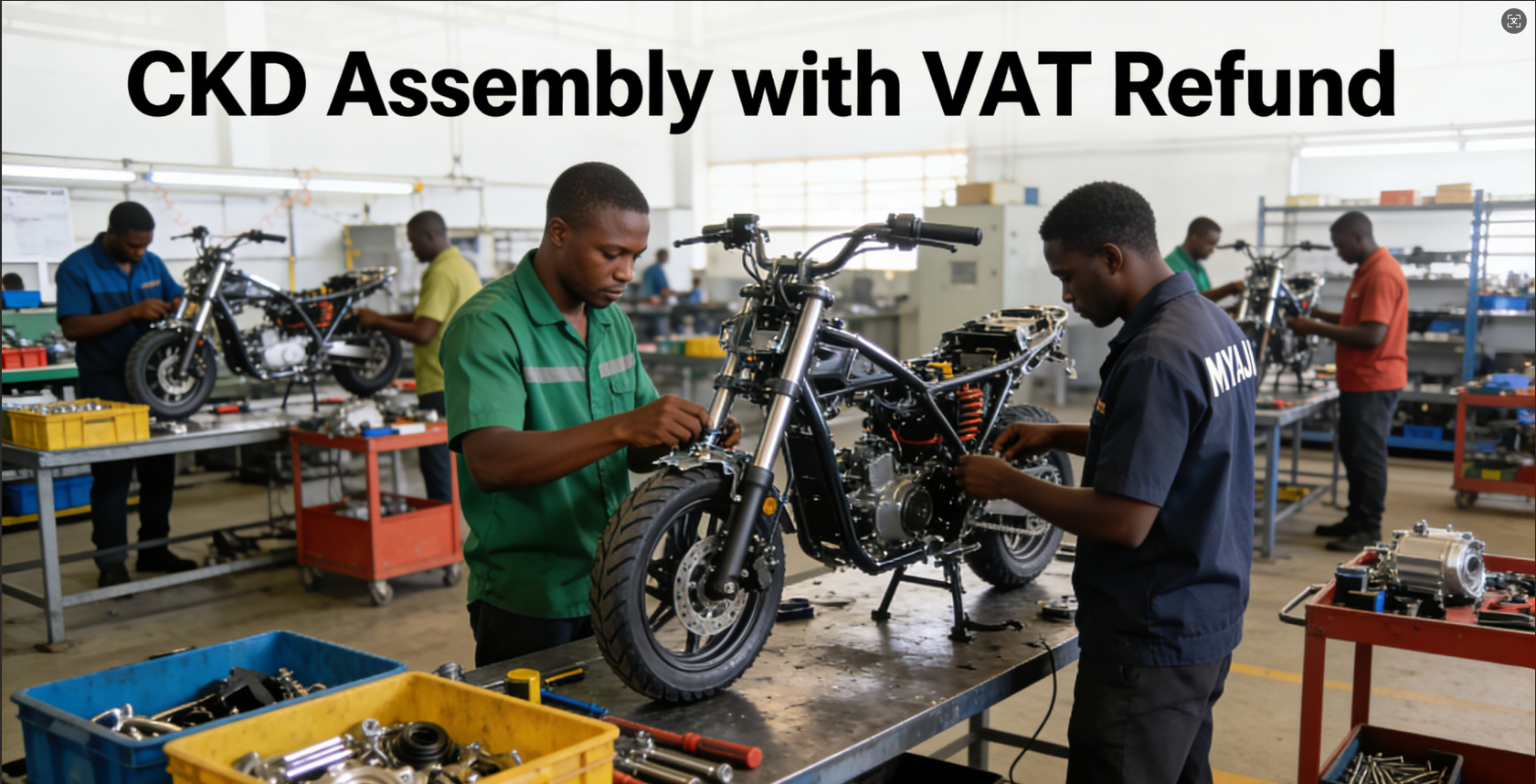
• CKD (completely knocked down) electric motorcycle parts not only have zero tariffs, but local assembly also entitles riders to a 15% VAT rebate;
• Battery swapping station subsidies prioritize service industry applications, with electric motorcycle battery swapping station applications having a 30% higher approval rate than four-wheeled vehicles;
• The government also helps riders solve the "no money to buy" problem: providing a 5% interest subsidy to lending companies, and requiring only a $175 down payment for an electric motorcycle equipped with GPS.
Last month, I helped a client calculate the costs. He manufactures 72V 120AH range electric motorcycles. Previously, importing complete vehicles incurred a 35% tariff. Now, by using CKD (Completely Knocked Down) parts and local assembly, the cost per unit has decreased by 22%. He also helped his local dealer apply for subsidies for battery swapping stations. While receiving the subsidies, the dealer also placed an order for 50 more units – this is the power of policy benefits.
III. Practical Tips: How to Implement 0 Tariffs + Subsidies? Don't Make These 3 Mistakes
Knowing the policy is good isn't enough; you need to know how to implement it. Based on my experience over the past two years, I've summarized three key steps that will help you avoid pitfalls:
1. Choose the Right Partner: Prioritize Local Assembly Plants with EAC Certification
Don't build your own assembly plant; the cost is too high! Kenya now has many existing assembly plants (such as AVA in Mombasa and Kenya Vehicle Manufacturers in Nairobi). As long as you provide CKD parts, they will assemble them for you and you can also apply for VAT refunds together.
I had a client who initially wanted to build his own factory, but the paperwork took six months to complete. Later, he partnered with a local assembly plant, and his first batch of goods was shipped in just two months. Remember, in Africa's foreign trade, "borrowing a boat to cross the sea" is much faster than building your own.
2. Get battery certifications done in advance, don't wait until the goods arrive at the port.
Kenya has very strict requirements for batteries; a UN38.3 report and KEBS certification are mandatory, otherwise, the goods will be detained at customs. I've seen people whose goods were stuck in Mombasa port for three months without certification, incurring $20,000 in storage fees, and ultimately they still had to go back and get the certifications—this cost could have been completely saved.
I recommend finding a qualified agency in China to do the certification; it takes about 1-2 weeks and costs only a few thousand RMB, half the price of doing it locally in Kenya.
3. Don't go it alone for battery swapping station subsidies; partner with a local operator.
The government subsidy application process is quite complex, and it's easy to get stuck if you try to handle it yourself. The best approach is to partner with local battery swapping operators (such as Zembo and Power Gogo). You provide compliant batteries, and they handle the construction of the swapping stations, subsidy applications, and a percentage-based profit sharing.
One of my clients works with Zembo. The client provides the batteries, Zembo builds the stations, and after the subsidies are received, the client not only earns money from the batteries but also receives 15% of the subsidies – essentially earning extra "policy money."
IV. Finally, let's be honest: how long can this windfall last?
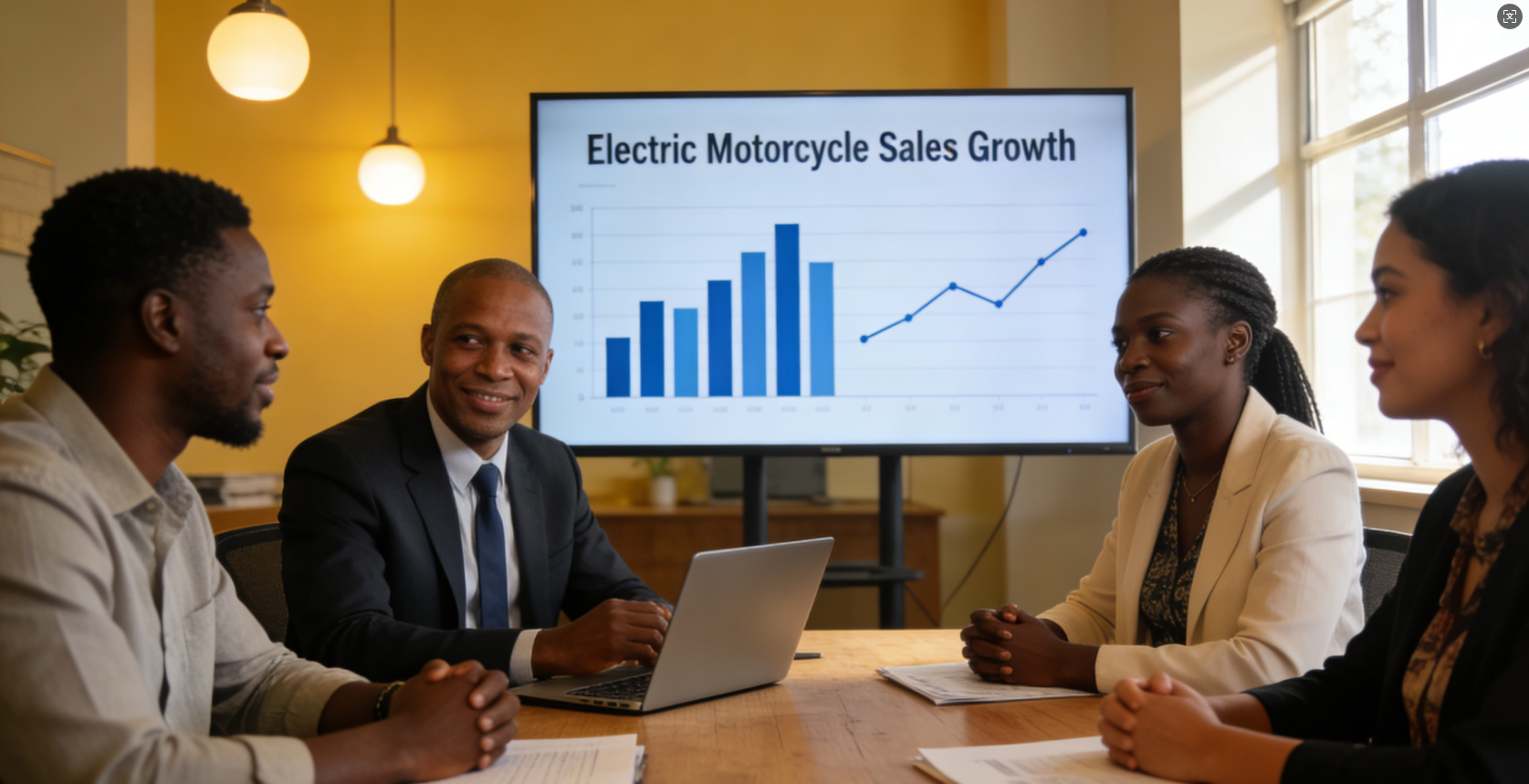
According to Kenya's policy plan, zero tariffs and battery swapping station subsidies will continue until at least 2030, but many Chinese and Indian companies are already rushing in – last year, electric motorcycle sales in Kenya increased by 40%, and this year it's expected to rise further.
If you're in the electric motorcycle or lithium battery business, or looking to enter the African battery swapping market, now is a good time to get in. Waiting another year or two, until everyone else is in, will not only drive up prices, but the threshold for policy subsidies may also increase.
I've compiled a document on Kenyan battery swapping customs clearance; reply "Kenya" in the comments to receive it. I will continue to update local distributor resources and policy changes. Feel free to contact me if you have any questions. When doing foreign trade, we need to follow the policies to avoid pitfalls and make more money.