Must-Read for New Energy Companies Going Global in 2025: Summary of Entry Requirements in Key Global Markets
The global energy transition will continue to accelerate in 2026, and expanding overseas in the new energy industry has become a core strategic direction for Chinese companies to broaden their development space. However, the access policies, technical standards, and compliance requirements of different markets vary significantly and are constantly being updated. This guide summarizes the access conditions of key markets such as the EU, North America, and Southeast Asia, covering key areas such as new energy vehicles and energy storage equipment, providing compliance guidance and decision-making reference for companies going global.

I. EU Market: High-Threshold Systematic Regulation, Safety and Environmental Protection as Dual Core Requirements
The EU market is characterized by "high entry barriers and full-chain regulation." Several new regulations implemented in 2025 further raised compliance requirements, focusing on three core dimensions: safety performance, environmental standards, and data compliance. It is a key market for new energy companies going global.
(I) Core Certification Requirements
1. Whole Vehicle Approval (WVTA): As the core passport to the EU market, it covers 58 comprehensive testing items and is subject to UNECE regulations. 1. Safety Requirements: Passing the R94 crash test (including high-voltage system power-off protection, requiring power to be cut off within 5 seconds) and R100 electric vehicle safety certification is required. Environmental requirements include meeting Euro 6d emission standards (mandatory testing for plug-in hybrid vehicles). From 2025, the Euro 7 regulations will be officially implemented, further tightening pollutant emission limits.
2. Battery-Specific Certification: Power batteries must comply with the UNECE R100.03 electrical safety standard, and battery swapping systems must pass R136 certification. Power batteries exceeding 2kWh must be equipped with a "battery passport" containing 107 core data points, covering the entire lifecycle information including material composition, carbon footprint, and supply chain due diligence. Furthermore, from 2027, providing full lifecycle (LCA) carbon emission data will be mandatory, with carbon emissions from the production of ternary lithium battery cathode materials required to be ≤80kg CO₂/kWh.
3. Charging Interface and Electromagnetic Compatibility Certification: The charging interface must comply with the CCS Combo 2 standard (EN 62196), with a plug-in/plug-out life of ≥10,000 cycles and a temperature rise of ≤50K during charging; electromagnetic compatibility must meet the ECE R10 standard, with radiated interference ≤30dBμV/m, and the motor must pass the CISPR 12 electromagnetic field test.
4. Basic Compliance Certification: All products must bear the CE mark; connected wireless devices must comply with the EN 18031 standard, which is mandatory from August 1, 2025, and meet network security requirements such as password settings and data protection; for entry into the UK market, additional compliance with PSTI regulations is required, prohibiting the use of universal default passwords and disclosing security issue reporting channels.

(II) Key New Regulations and Special Requirements in 2025
- Data Compliance: Strict adherence to GDPR regulations; vehicle data must be stored on local European servers to ensure the legality of the entire process of data collection, storage, and use.
- Extended Producer Responsibility (EPR): Countries like Germany and France mandate that companies establish comprehensive waste product recycling systems, and battery packs must be labeled with recycling symbols and heavy metal content (e.g., lead <0.1%).
- Localization Adaptation: Nordic countries mandate winter tires as standard equipment; product labeling must use the local language, and dashboards must support metric units.
(III) Certification Costs and Cycles
The certification cost per vehicle in the EU market is approximately €150,000-€300,000, with a certification cycle of 12-18 months. The core challenge lies in EMC testing rectification (excessive radiation is a common problem). Companies can prioritize pre-testing at EU-accredited laboratories such as TÜV Rheinland to mitigate risks in advance.
II. North American Market: Fragmented Standards in Parallel, Focus on Safety and Localization
The North American market (USA + Canada) is characterized by "parallel federal and state standards, stringent safety requirements, and a clear localization orientation." New energy companies must simultaneously address both unified federal requirements and differentiated local regulations, focusing on tackling the two core challenges of certification and localized production.
(I) Core Requirements for the US Market
1. Safety Certification (DOT/FMVSS): DOT certification is mandatory at the federal level, with core compliance with the FMVSS series of standards. Specifically, FMVSS 305 requires electric vehicles to have insulation resistance ≥500Ω/V for electric shock protection, and to cut off high-voltage power within 3 seconds of a collision; FMVSS 208 requires battery displacement ≤5cm in a frontal collision (56km/h); FMVSS 141 requires a 105dB pedestrian warning sound at speeds <30km/h. Additionally, turn signals must be amber (red is permitted in China), and the tire pressure monitoring system (TPMS) must display pressure values in real time.
2. Environmental and Energy Efficiency Certification (EPA): EPA emissions and energy efficiency certification is required. The test cycles cover FTP-75, US06, and SC03 operating conditions. Pure electric vehicles require additional testing for charging efficiency. Product labels must clearly indicate the EPA standard driving range (usually 15-20% less than CLTC) and charging time under 240V/32A conditions.
3. Additional State Requirements: California's CARB standard is the most stringent, requiring a battery warranty of ≥10 years/150,000 miles (China's national standard is 8 years/120,000 kilometers). From 2025, fast charging stations must be mandatory to be compatible with CCS1 and NACS interfaces. California's zero-emission vehicle credit policy directly impacts market access and profitability for companies, requiring compliance through production or purchase of credits.
4. Other Compliance Requirements: Electronic components must pass FCC electromagnetic compatibility certification; UL product safety certification is recommended for entry into mainstream channels; battery cobalt ore must achieve compliant traceability to ensure the supply chain meets ethical and environmental standards.
(II) Core Requirements for the Canadian Market
Certification from Transport Canada is required. Core standards are similar to the US FMVSS but with minor differences; from 2025, a mercury-containing product restriction order and mandatory PFAS substance reporting requirements will be implemented, further expanding the scope of environmental control. In addition, energy storage equipment must meet local grid compatibility standards and undergo targeted salt spray testing to enhance corrosion resistance.
(III) Certification Costs and Cycles
In the US market, certification costs per vehicle range from $80,000 to $200,000, with a cycle of 8-12 months. The core challenge lies in strengthening the small offset collision structure. In Canada, the certification cycle and costs are slightly lower than in the US, but additional resources are needed to address new local environmental regulations.
III. Southeast Asian Market: Tiered Barriers, Details and Localization are Key to Success
The entry barriers in the Southeast Asian market are generally lower than in Europe and the US, but they exhibit characteristics of "independent certification in each country and significant tiered differences." Factors such as hot and humid climates, religious cultures, and local protectionism increase compliance complexity, making detailed adaptation and localization crucial for market entry.
(I) Core Market Entry Requirements
1. Indonesian Market: Both energy storage and new energy vehicles require mandatory SNI certification (cycle 6-8 months, testing costs $50,000-$100,000); energy storage projects must meet a 40% local component ratio (TKDN), which can be reduced to 20% if innovative technologies such as flow batteries are used. Regarding foreign investment access, energy storage equipment manufacturing requires foreign ownership of ≤67%, while power plant operation allows for 100% foreign ownership, but requires the transfer of 20% of shares to local companies within 5 years. Furthermore, energy storage projects exceeding 10MWh require an Environmental Impact Assessment (AMDAL), with an approval cycle of 12-18 months.
2. Thailand Market: TISI certification is implemented; new energy vehicles must be converted to right-hand drive to adapt to local road standards; humid and hot climates require products to have an IP65 or higher protection rating, and electronic components must pass high-temperature and high-humidity environment durability tests.
3. Vietnam Market: Products must pass CQ certification; e-commerce platforms must have local company qualifications and create localized language product detail pages; new energy projects must obtain import permits in advance, and imported components must be accurately classified according to customs codes.
(II) Common Adaptability Points
- Vehicle and Technology Adaptation: Most countries use right-hand drive, requiring targeted adjustments to the steering system design; an environment with an average annual temperature of 28℃ and humidity of 80% requires energy storage systems to have active cooling technology and enhanced corrosion resistance.
- Tariffs and Localization Strategies: Import tariffs on complete lithium-ion batteries can reach as high as 15%, but this can be reduced to 5% by importing them as SKD (semi-knocked-down) components and assembling them locally. Joint ventures with local companies can effectively reduce market barriers caused by local protectionism.
- Religious and Cultural Compatibility: Muslim countries such as Malaysia and Indonesia have halal certification requirements for related supporting products (such as automotive interior materials). Products without certification cannot enter mainstream channels.

IV. Common Compliance Points Across Markets
1. Core Battery Requirements: Major global markets mandate that power batteries pass the UN38.3 test and provide a 1.2-meter drop test report. The new IATA regulations in 2025 add UN3551/3552 numbers and PI977 packaging requirements for sodium-ion batteries; attention should be paid to transitional arrangements.
2. Carbon Footprint and Environmental Protection: Markets such as the EU and California in the US have incorporated carbon footprint into their regulatory systems. Companies need to conduct full life-cycle carbon emission accounting in advance and establish supply chain emission monitoring mechanisms.
3. Documentation and Customs Clearance Preparation: Basic documents include commercial invoices, packing lists, bills of lading, and certificates of origin; for battery transportation, an additional "Certificate of Goods Transport Conditions" and dangerous goods packaging certificate are required; hybrid vehicles must specify the UN3196 code; for markets such as the EU and North America, the qualifications of local agents must be confirmed in advance.
V. 2026 Overseas Expansion Strategy Recommendations
- Plan Certification Cycles in Advance: Certification cycles in the European and American markets can be as long as 8-18 months. Compliance research and pre-testing should be initiated simultaneously during the product development stage to avoid market launch delays.
- Build a Localized Ecosystem: In the EU, partnerships can be established with local recycling companies such as Northvolt to build a recycling system; in North America, participation in the NACS protocol development can be facilitated through the SAE Charging Standards Committee; in Southeast Asia, priority should be given to local partners with Ministry of Energy backgrounds to expedite approval.
- Establish a Dynamic Compliance Monitoring Mechanism: In 2026, many countries worldwide will be in a period of updating their new energy policies. Dedicated personnel are needed to track regulatory changes in target markets and adjust product and compliance strategies accordingly.
In summary, the core principles for new energy vehicle companies going global in 2026 should be "compliance first, localization adaptation," accurately grasping the pain points of entry into different markets and proactively planning certification and supply chain systems. The EU's high-threshold, systematic regulation, North America's fragmented standards, and Southeast Asia's tiered entry barriers all pose differentiated requirements for companies. Only by fully understanding and flexibly responding to these requirements can companies gain a competitive edge in the global new energy vehicle market.
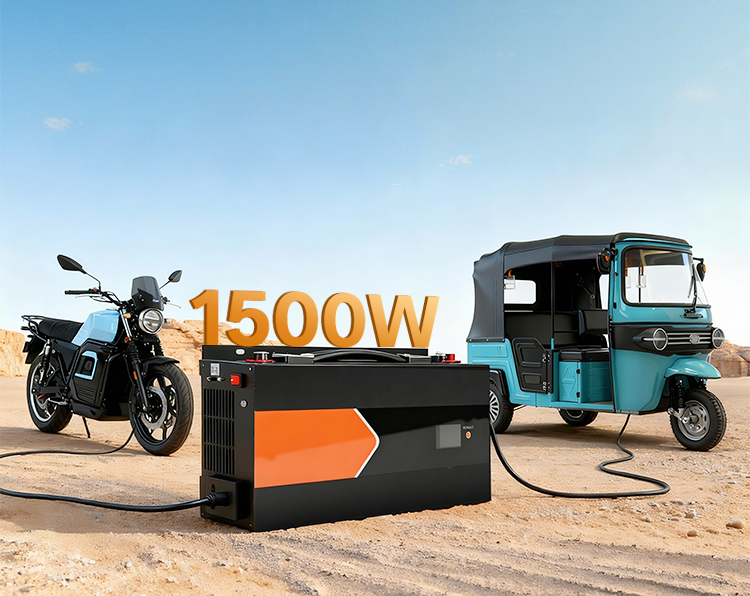 MIYAJI Bi-Charger Battery-Free Bi-Directional Charger for E2W & E3W
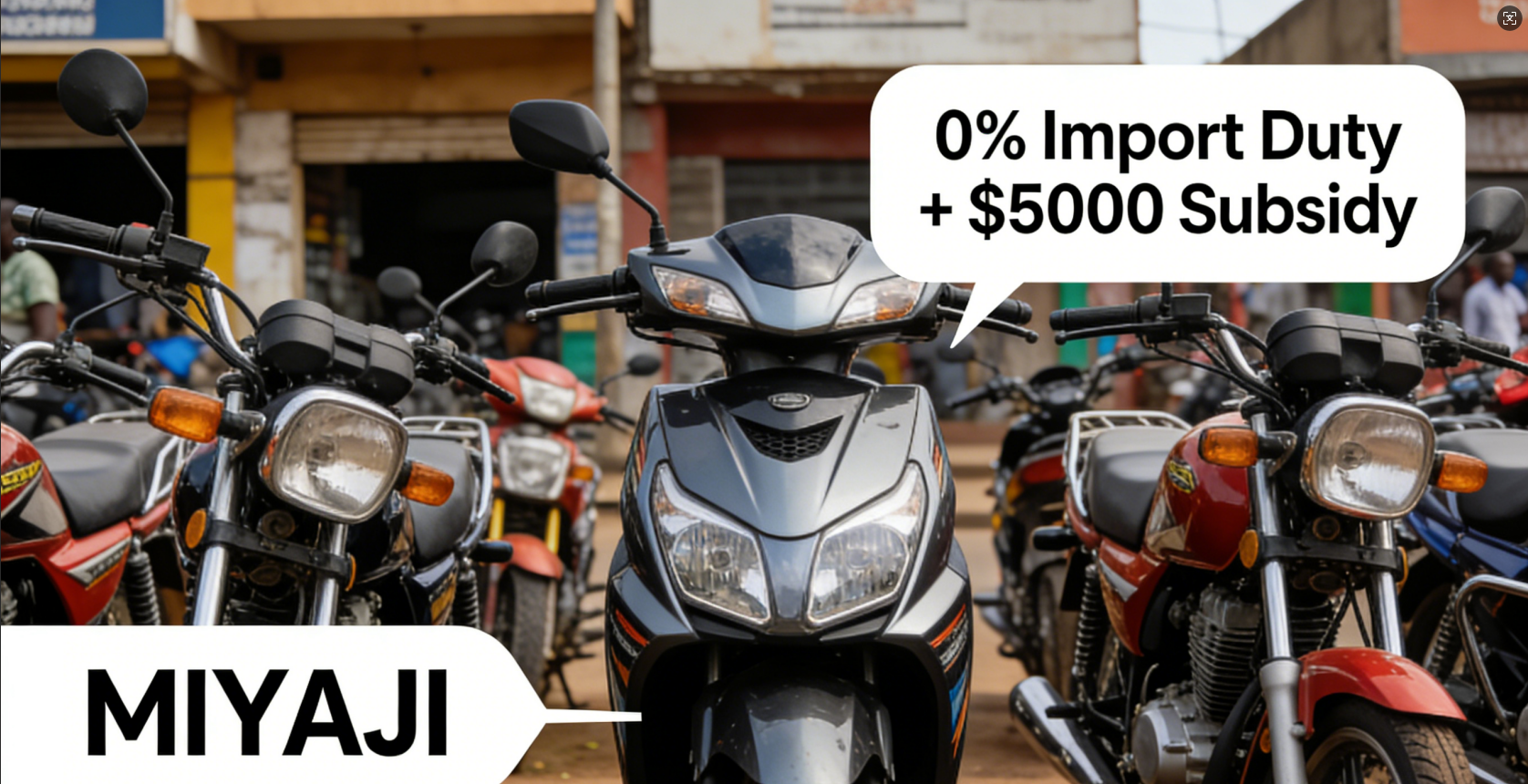 2026: Kenya's Electric Vehicle Export Market Booms! Zero Tariffs + 500,000 Yuan Subsidy for Battery Swapping Stations – Don't Miss Out!
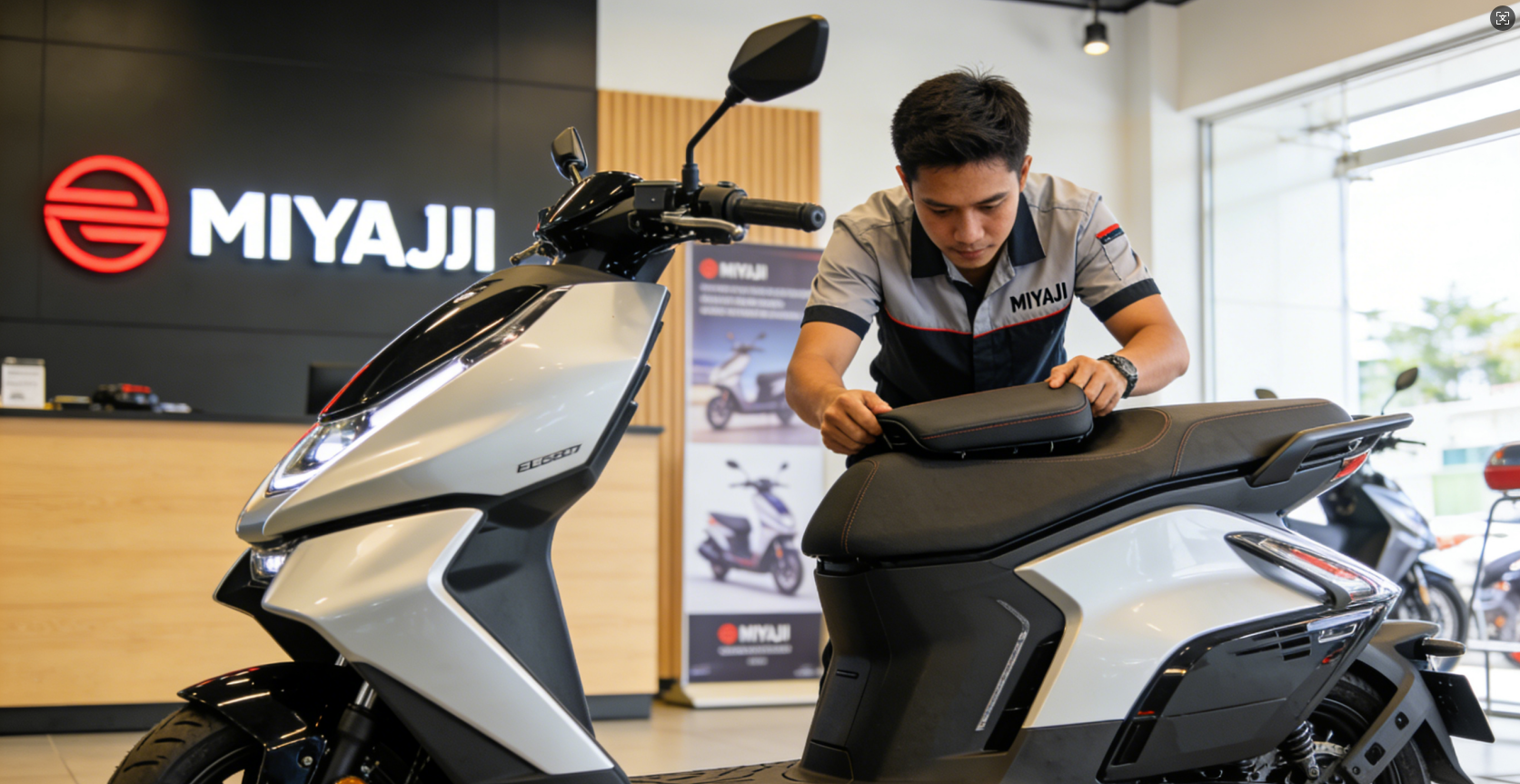 Localization and Win-Win: MIYAJI's New Overseas Expansion Model – Partnering to Deepen Market Development
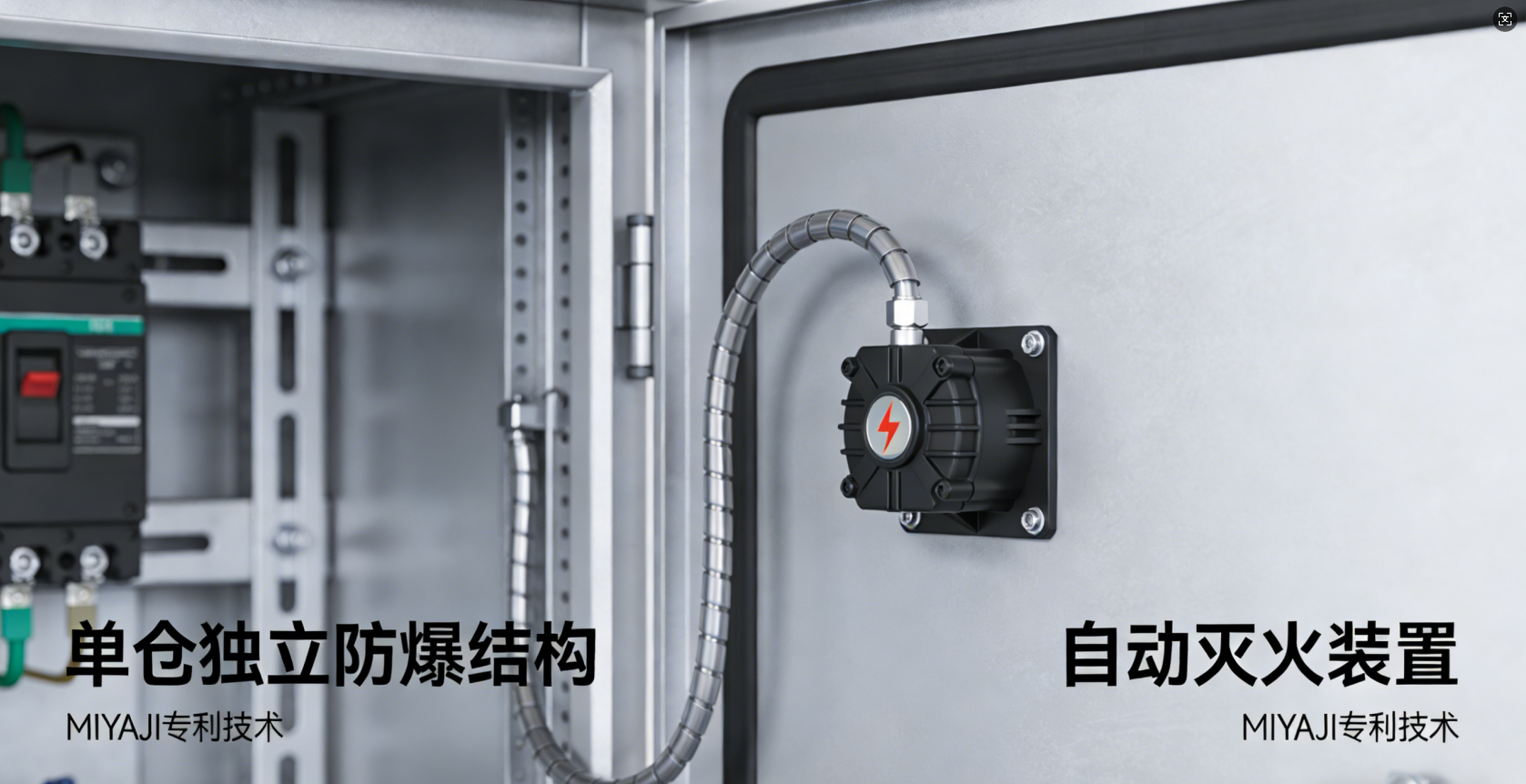 Safety First: MIYAJI's Integrated Vehicle-Battery Cabinet with Seven-Fold Safety Protection System