Smart Battery Swapping Cabinets and Lithium Battery Exchange Stations: The Ultimate Guide to Recharging Electric Motorcycle and Tricycle Fleets
The core pain points for the efficient operation of electric motorcycle fleets lie in range interruption and battery degradation. A scientific combination of centralized battery swapping stations and distributed battery swapping cabinets can achieve the operational goals of "fast recharging, low cost, and high safety." This guide combines policy regulations, technology selection, and operational techniques to break down the entire process optimization solution, adapting to diverse fleet scenarios such as food delivery, logistics, and commuting.
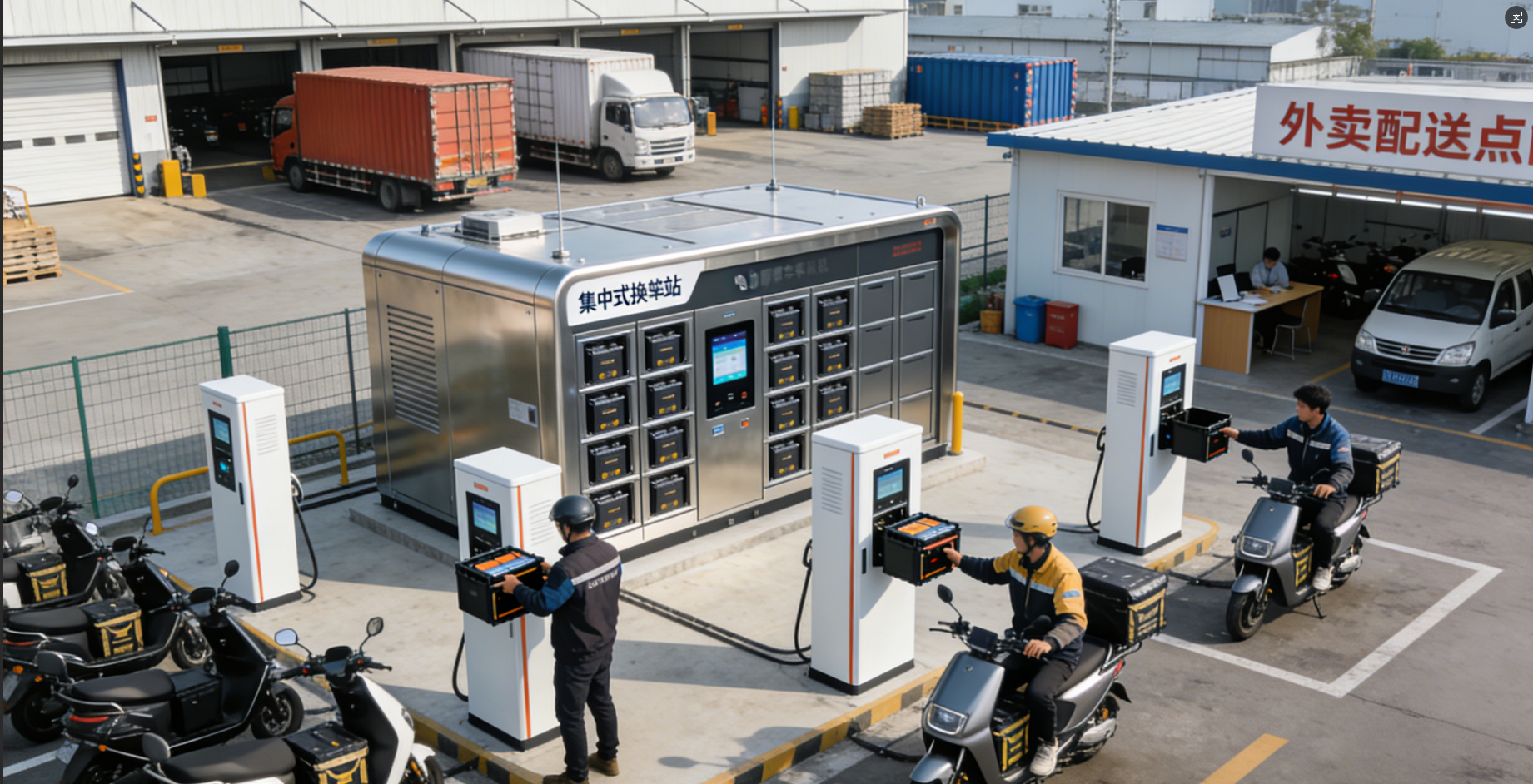
I. Equipment Selection: Matching Battery Swapping Solutions to Fleet Size
1. Distributed Battery Swapping Cabinets: Suitable for Small and Medium-Sized Fleets and Dispersed Scenarios
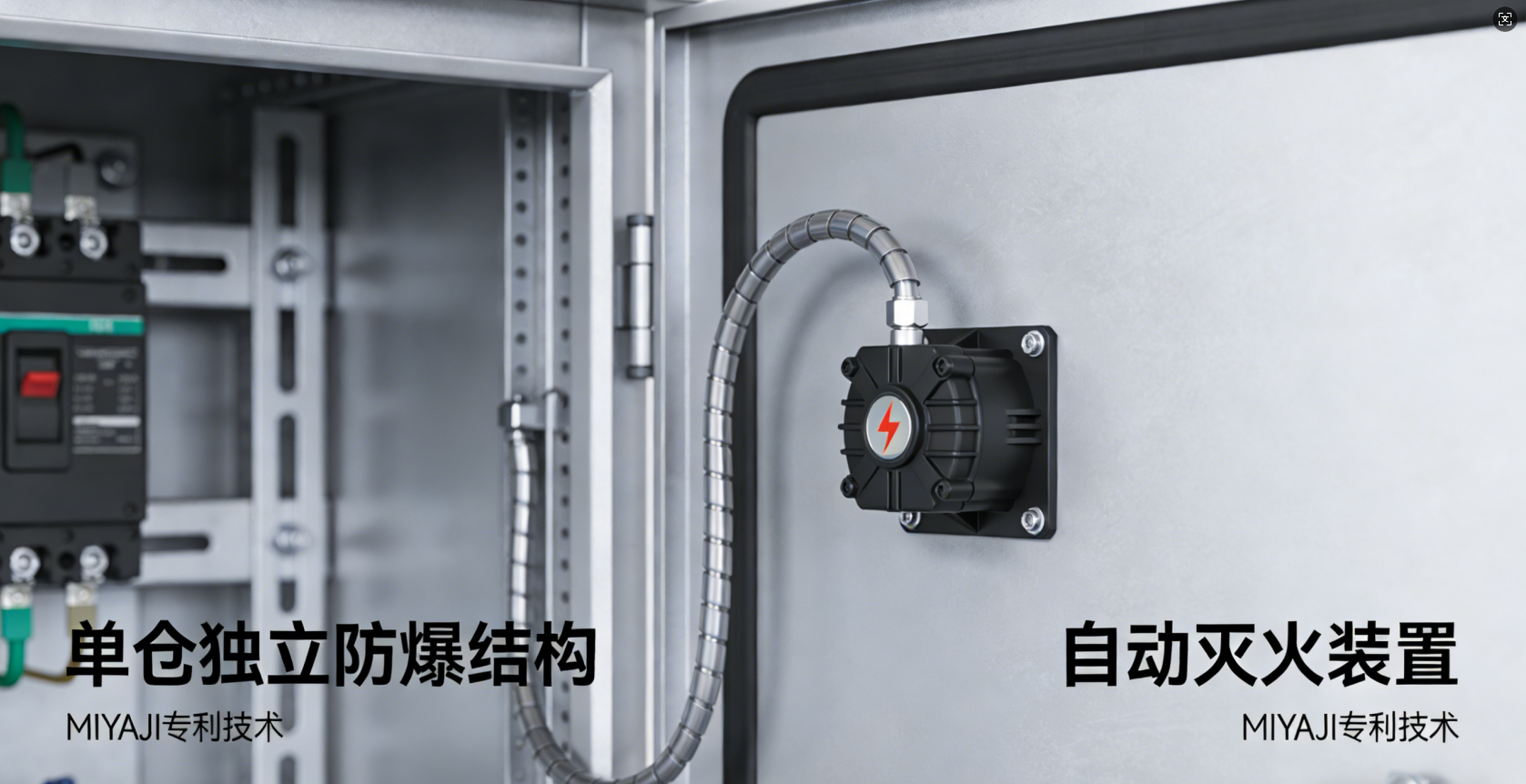
Core applications include fleets of 10-50 vehicles, community shuttles, multi-point delivery, and other dispersed scenarios. It is recommended that the number of compartments per cabinet be controlled within 16 (complying with the safety requirements of the "Electric Bicycle Shared Battery Swapping Work Guidelines"). Key selection criteria: ① Protection rating ≥ IP54, suitable for rain, snow, and dusty environments; materials must be flame-retardant and high-temperature resistant; ② Battery adaptability voltage ≤ 60V, compatible with mainstream electric motorcycle models; standardized rigid connection interface with anti-sparking function; ③ Built-in independent fire extinguishing device and temperature monitoring for each compartment, supporting thermal runaway isolation to avoid cascading risks.
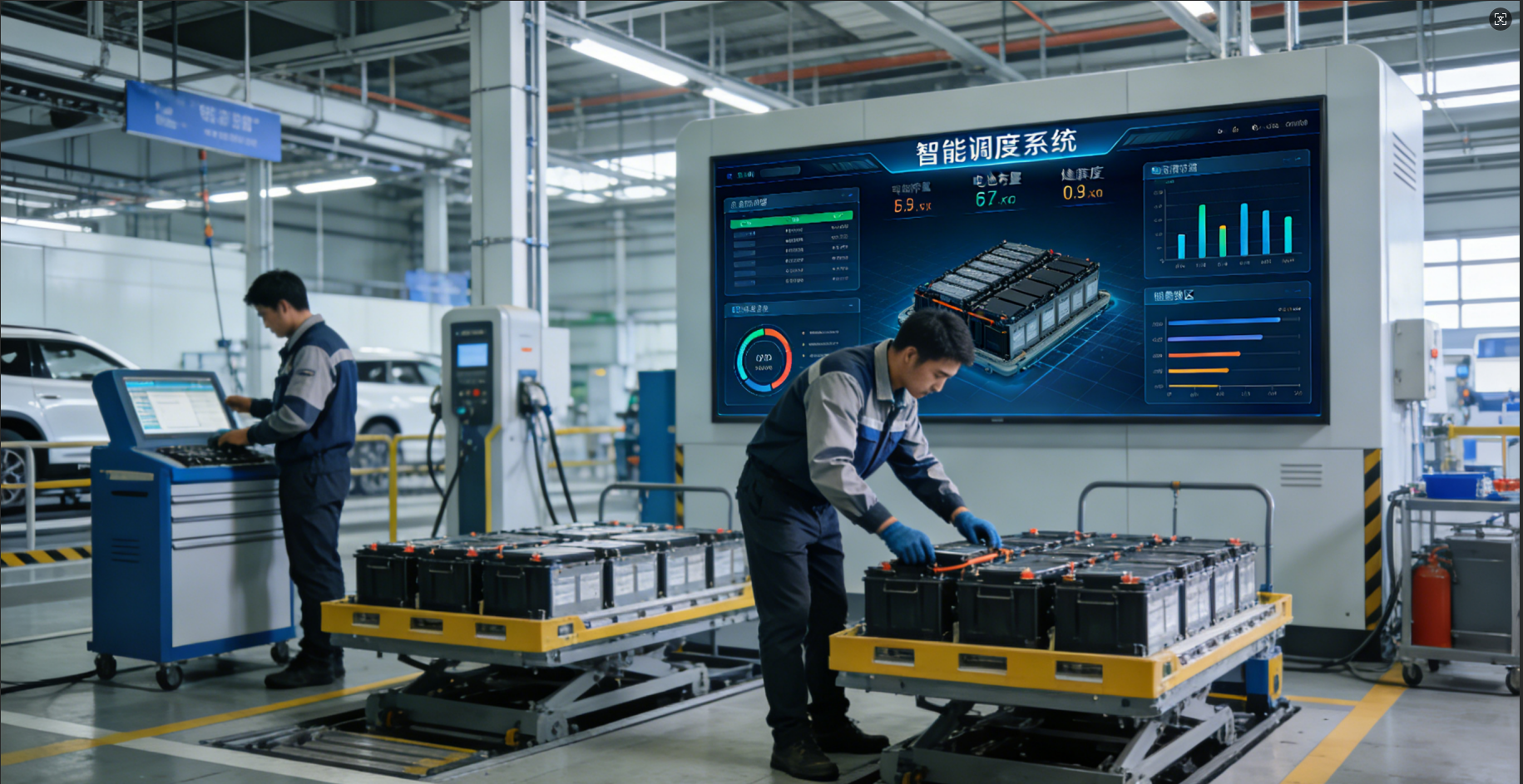
2. Battery Swapping Station (Centralized): Suitable for large fleets and high-frequency operations. Suitable for fleets of 50 or more vehicles, logistics parks, food delivery headquarters, and other centralized scenarios. Can be equipped with multiple battery swapping cabinets and charging matrices. Core configuration: ① Intelligent dispatch system, real-time display of battery inventory and health, automatically allocating battery swapping compartments; ② Reserved expansion space to support future increases in the number of compartments and charging power; ③ Equipped with a battery testing area, realizing integrated battery swapping, testing, and maintenance to improve battery cycle life.
3. Core Principles: Standardization and Compatibility First
Use standardized battery models and swapping interfaces to avoid mixing different brands or old and new batteries (to prevent uneven charging and discharging, which accelerates aging); prioritize lithium-ion batteries that comply with GB 43854—2024 standards, and prohibit the use of recycled batteries to reduce safety hazards from the source.
II. Operations Management: Optimizing the Entire Process to Improve Efficiency
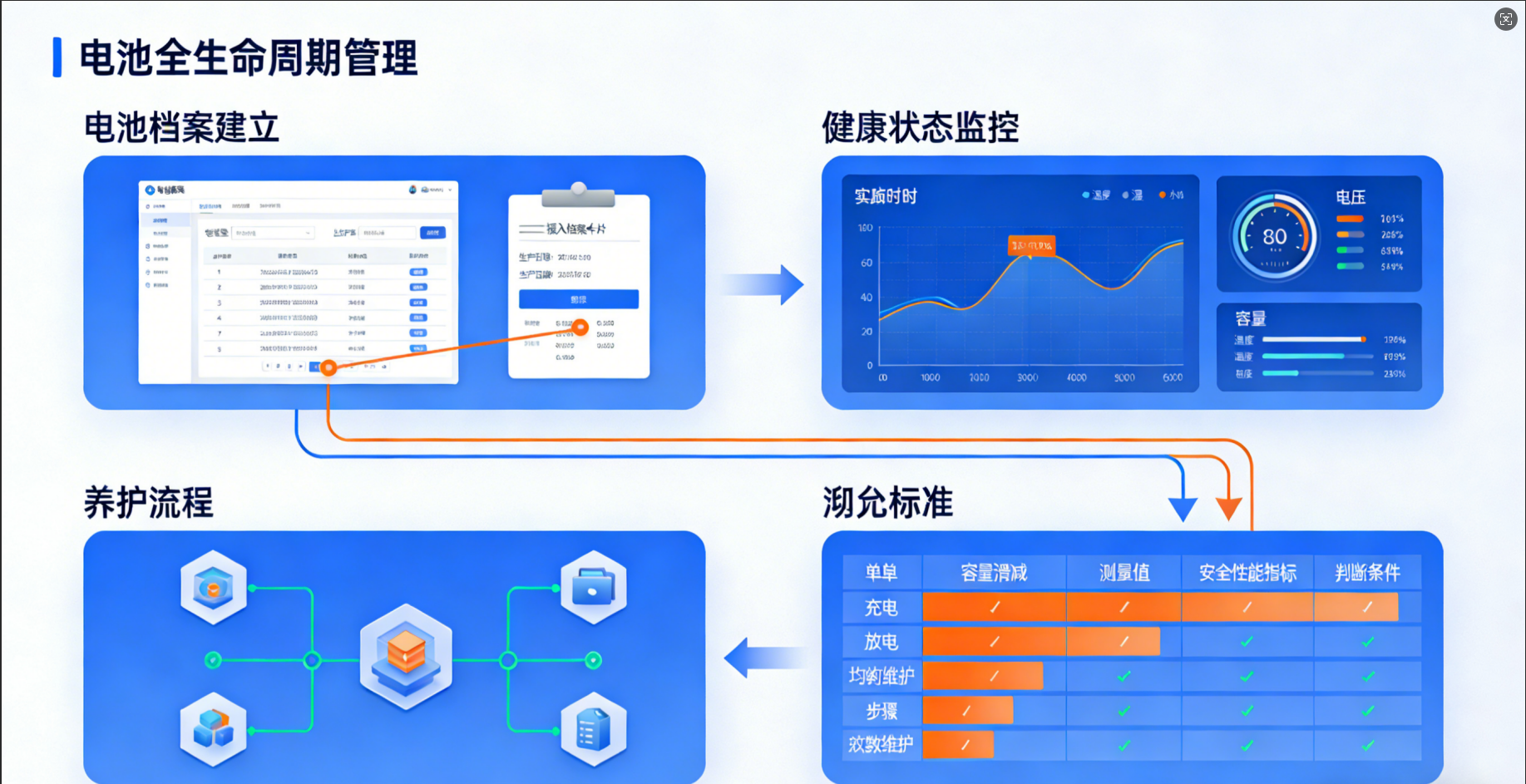
1. Full Lifecycle Battery Management
Establish battery records, collect voltage, current, and temperature data in real time through an intelligent platform, regularly assess health status, and promptly discard batteries with severe performance degradation. Daily maintenance follows the "three no's principle": do not mix old and new batteries, do not neglect installation details (avoid inversion, ensure unobstructed vents), and do not use inferior chargers; control charging within the golden range, replenishing charge when 20%-30% remains, with a single charging time not exceeding 10 hours, and avoiding high temperature (>35℃) and low temperature (<0℃) periods.
2. Intelligent Dispatch and Site Layout
Utilizing an APP/mini-program, the system enables QR code-based battery swapping, location navigation, and fault reporting. Big data analysis optimizes site density—one battery swapping cabinet is deployed every 1-2 kilometers in high-frequency operating areas. Centralized sites are configured with swapping station capacity based on fleet size, reducing rider waiting time. Battery swapping cabinet locations must avoid low-lying areas and flammable/explosive locations, maintain a safe distance from buildings, and not obstruct sidewalks or fire lanes.
3. Personnel and Emergency Management
Train maintenance personnel to master standardized operations, including battery installation and securing, fault diagnosis, and emergency response. Establish a 24-hour emergency team, develop contingency plans for emergencies such as battery thermal runaway and equipment failure, and conduct a comprehensive safety self-inspection at least once every six months, maintaining inspection records.
III. Safety and Compliance: Upholding Operational Bottom Lines
1. Equipment and Site Compliance
Battery swapping cabinets must be equipped with leakage protection and overload protection devices. Wiring must meet V-0 flame retardant requirements. Indoor installations must meet fire-resistant partition requirements, and outdoor installations must have adequate lightning and rain protection measures. 1. **Prominent Display of Operating Company Information, Fee Standards, Emergency Contact Numbers, and Safety Warnings on Equipment:**
2. **Battery Recycling and Environmental Compliance:** In accordance with the "Guidelines for the Construction of a Lithium-ion Battery Recycling System for Electric Bicycles," the source and destination of batteries should be properly registered. End-of-life batteries should be transferred to legitimate recycling companies to prevent indiscriminate disposal. Purchasing commercial insurance for battery swapping equipment is encouraged to reduce losses from safety accidents.
IV. **Cost Optimization: Balancing Investment and Returns:**
1. **Model Selection:** Small and medium-sized fleets can adopt a "battery swapping cabinet leasing + battery management" model to reduce initial investment. Large fleets building their own battery swapping stations should prioritize phased equipment investment to avoid idle capacity.
2. **Energy Consumption Control:** Utilize peak-valley electricity price differences for charging. Implement timed power-off functions for battery swapping cabinets to reduce ineffective energy consumption. Intelligent scheduling reduces empty battery rates and improves battery utilization.
3. **Damage Control:** Scientific maintenance extends battery cycle life and prevents battery damage due to improper operation, reducing replacement costs.
V. Advanced Optimization: Scenario-Based Customized Solutions
High-Temperature Areas: Use battery swapping cabinets with cooling systems, and employ high-temperature resistant battery cells to avoid direct sunlight.
Low-Temperature Areas: Move battery swapping cabinets to semi-enclosed areas, preheating the batteries before charging and swapping.
Mountainous Fleets: Optimize battery power parameters, pair with high-rate battery cells, and increase battery testing frequency at swapping stations, focusing on addressing range degradation issues.
In summary, the core of optimizing battery swapping for electric motorcycle fleets lies in "selection and adaptation + intelligent operation + compliance and safety." By matching equipment to fleet size and implementing refined management throughout the entire process, charging efficiency can be improved by over 30%, battery loss costs reduced by 20%, balancing operational efficiency and long-term benefits.
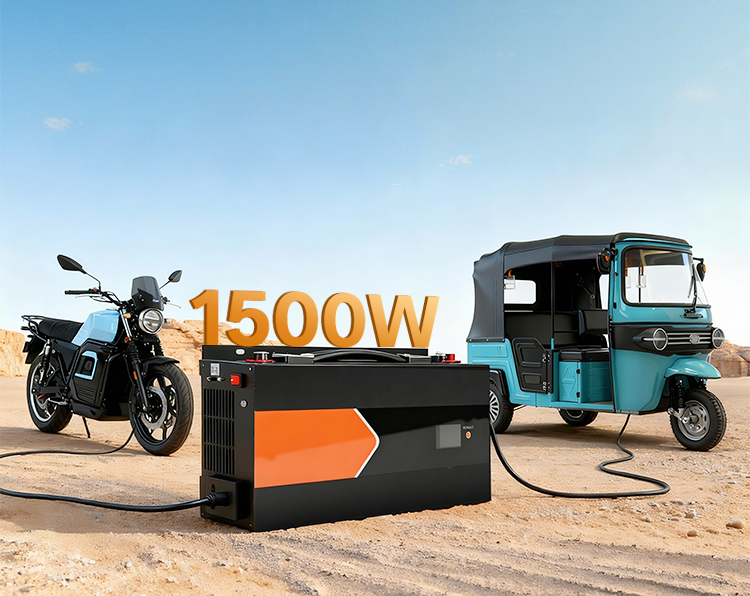 MIYAJI Bi-Charger Battery-Free Bi-Directional Charger for E2W & E3W
 2026: Kenya's Electric Vehicle Export Market Booms! Zero Tariffs + 500,000 Yuan Subsidy for Battery Swapping Stations – Don't Miss Out!
 Localization and Win-Win: MIYAJI's New Overseas Expansion Model – Partnering to Deepen Market Development
 Safety First: MIYAJI's Integrated Vehicle-Battery Cabinet with Seven-Fold Safety Protection System