Safety First: MIYAJI's Integrated Vehicle-Battery Cabinet with Seven-Fold Safety Protection System
Safety is the core bottom line for new energy vehicle battery swapping and fast charging operations. MIYAJI's integrated vehicle-battery cabinet solution, based on the principle of "all-dimensional, no blind spots," constructs a seven-fold safety protection system. From hardware and software to testing and industry standard comparisons, it builds a robust safety barrier layer by layer, comprehensively mitigating various safety risks during operation and safeguarding battery assets, operators, and operational scenarios.
I. Hardware Protection: Building the First Line of Physical Safety
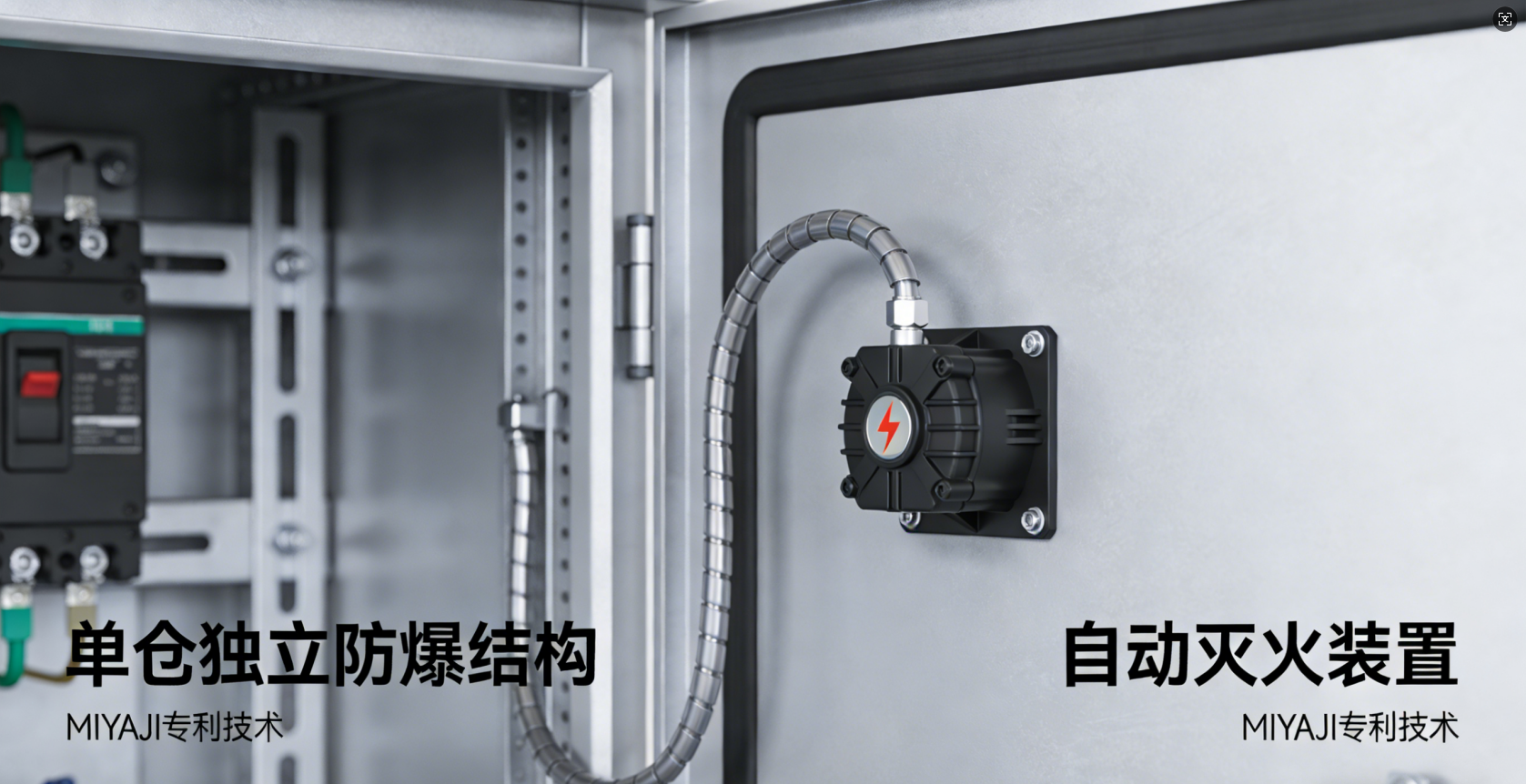
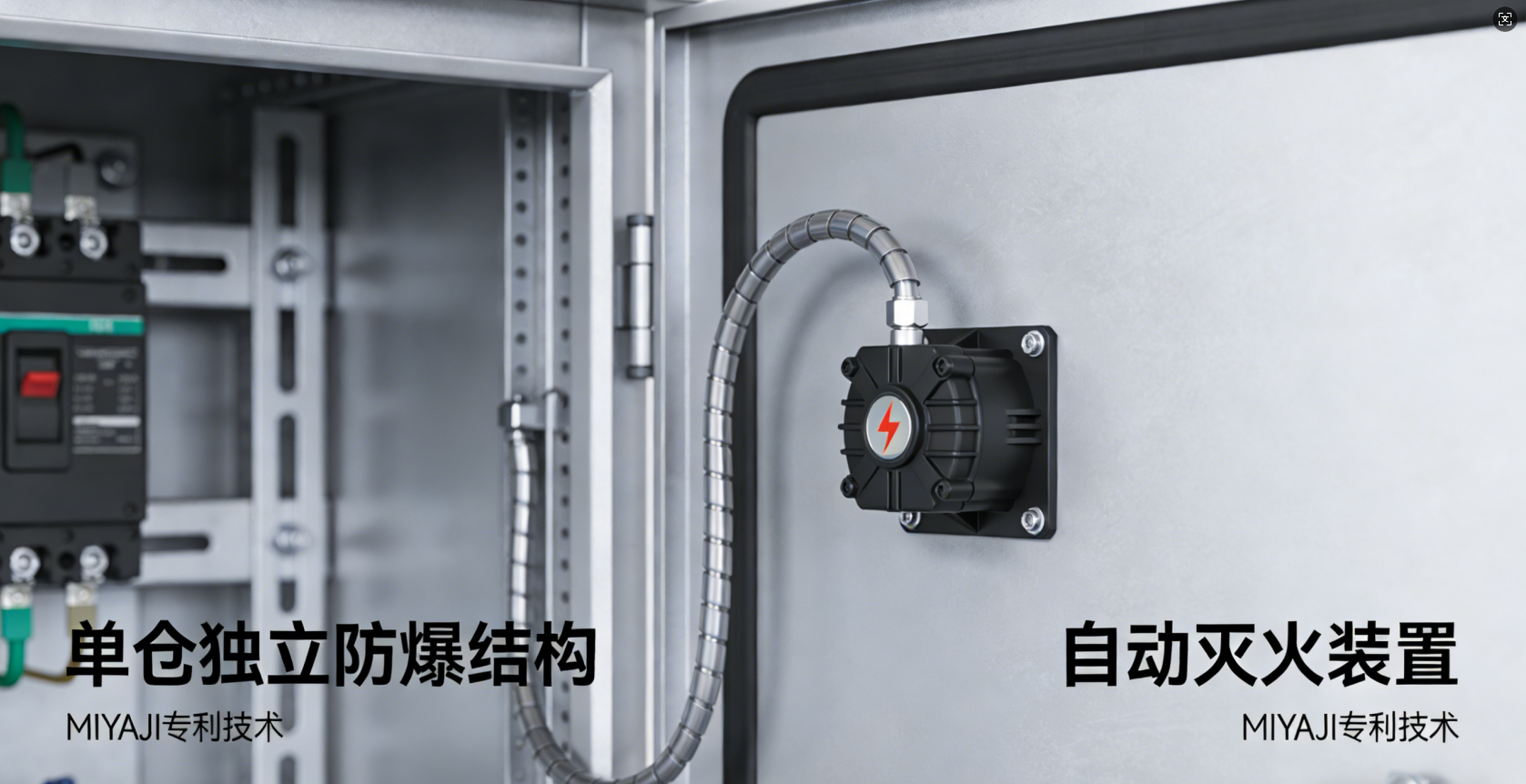
At the hardware level, multiple redundancy designs are employed to avoid safety hazards at the source. A single-compartment independent explosion-proof design is used, with each battery compartment independently sealed and unaffected by others. Even if an anomaly occurs in a single compartment, it can effectively isolate the risk and prevent its spread. Equipped with an automatic fire extinguishing device, it can quickly initiate fire suppression operations upon detection of a fire, controlling the risk in its early stages. Simultaneously, the short-circuit protection circuit layout is optimized to precisely avoid short-circuit problems caused by circuit aging and poor contact. Multiple hardware safeguards form a closed-loop protection system.
II. Software Monitoring: Real-time Monitoring, Instant Anomaly Response
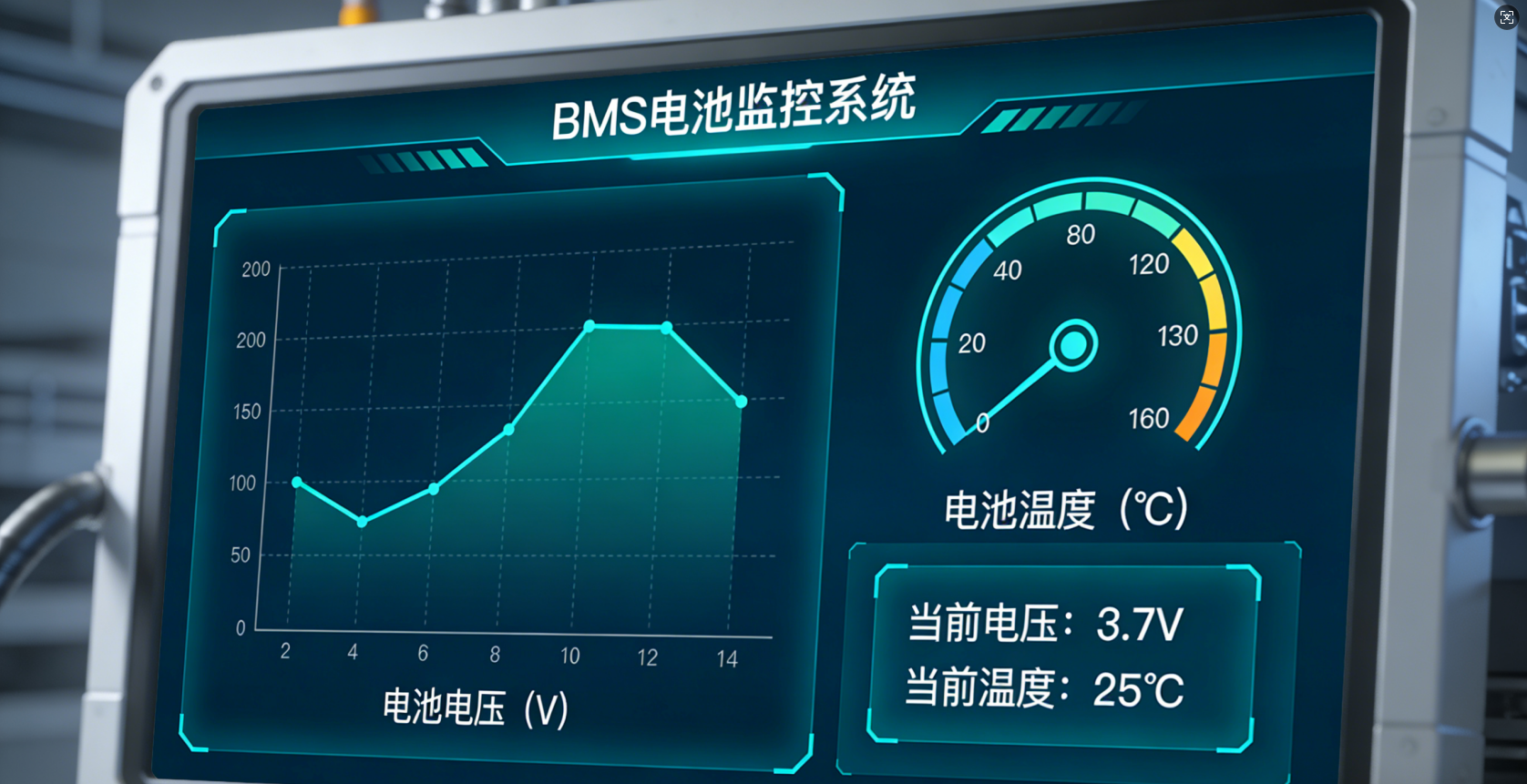
Equipped with a high-performance BMS battery management system, it enables 24/7 real-time monitoring of battery status, accurately capturing subtle changes in core parameters such as battery voltage and temperature. When abnormal voltage, excessive temperature, or other non-compliant operating conditions are detected, the system will automatically trigger a power-off operation to cut off the source of risk, while simultaneously issuing audible and visual alarm signals to remind staff to handle the situation promptly, achieving "early detection, early warning, and early resolution."
III. Testing and Verification: Rigorous Testing, Rock-solid Quality
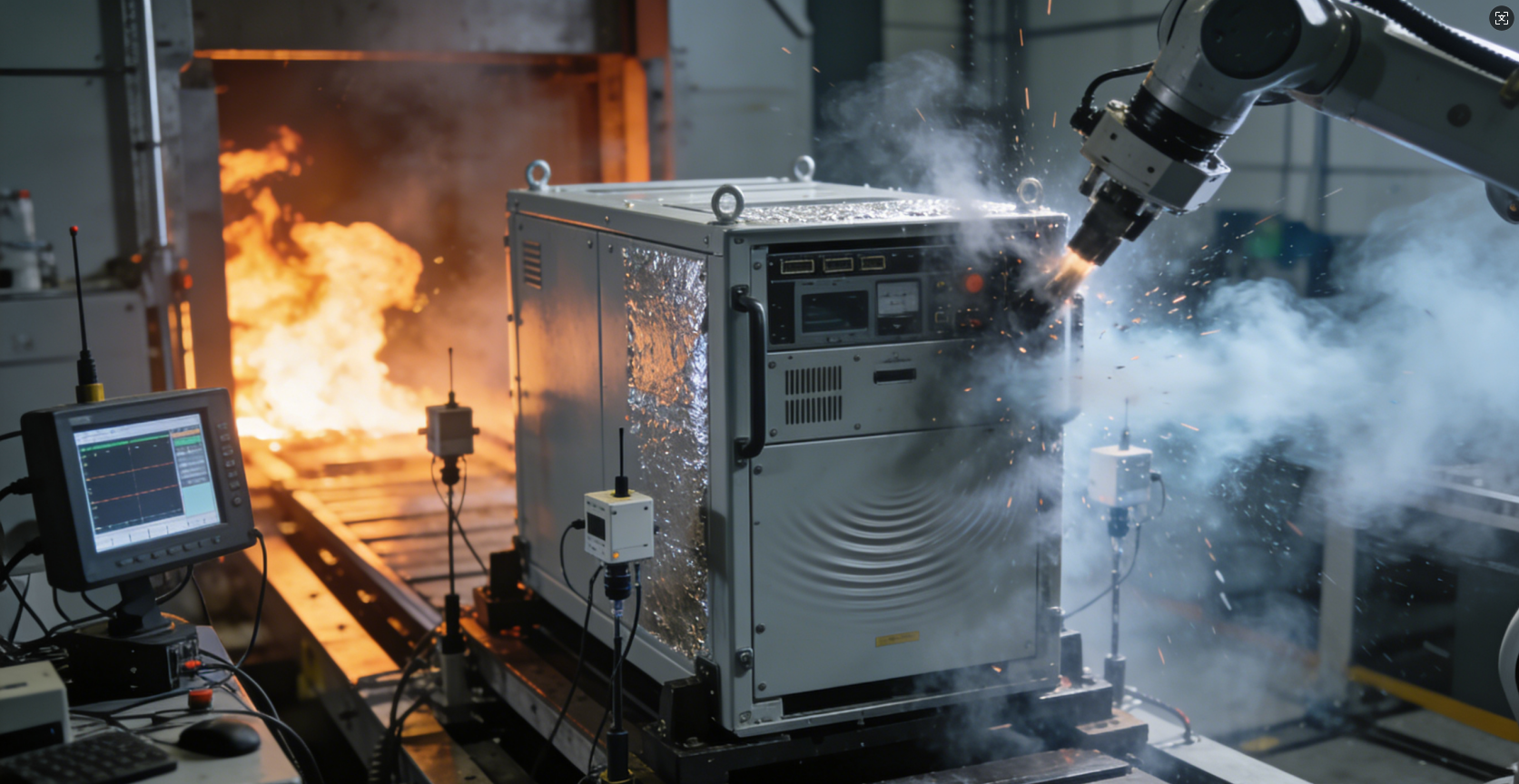
Every MIYAJI vehicle battery cabinet undergoes multiple rigorous tests and verifications to ensure stable operation in various complex environments. These include extreme environment testing, adapting to different regional climates such as high temperature, low temperature, high humidity, and dusty conditions; mechanical tests such as violent impact, compression, and drop tests to verify the cabinet structure's stability and impact resistance; and long-term cyclic charge-discharge tests to comprehensively verify the durability of the protection system, ensuring that every product can withstand the test of the market and time.
IV. Industry Comparison: Excessive Protection, Reduced Operational Risks
In terms of safety design, MIYAJI far exceeds the industry average, employing a higher standard of safety redundancy. Compared to standard industry protection configurations, MIYAJI's vehicle battery cabinet has been upgraded in terms of hardware explosion-proof rating, software response speed, and testing rigor, significantly improving safety tolerance and effectively reducing safety risks caused by battery failures, environmental factors, etc. during operation. This reduces safety hazards for operators and also lowers subsequent safety maintenance costs.
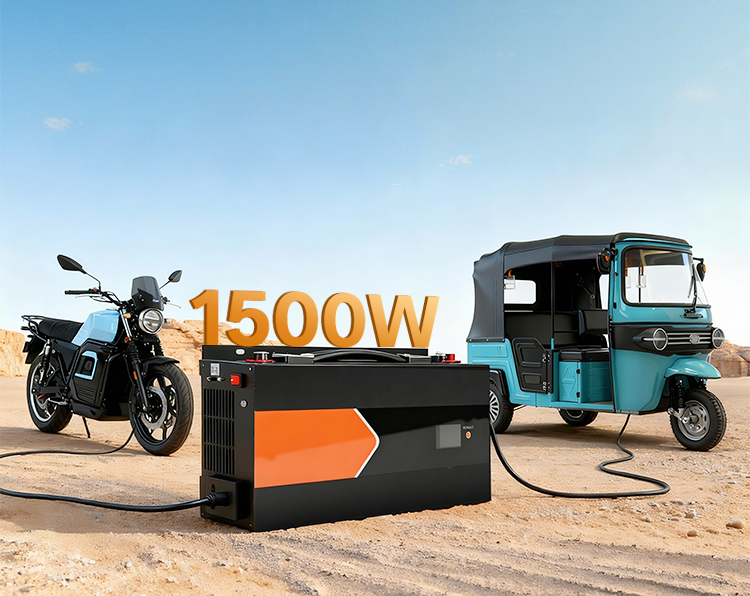 MIYAJI Bi-Charger Battery-Free Bi-Directional Charger for E2W & E3W
 2026: Kenya's Electric Vehicle Export Market Booms! Zero Tariffs + 500,000 Yuan Subsidy for Battery Swapping Stations – Don't Miss Out!
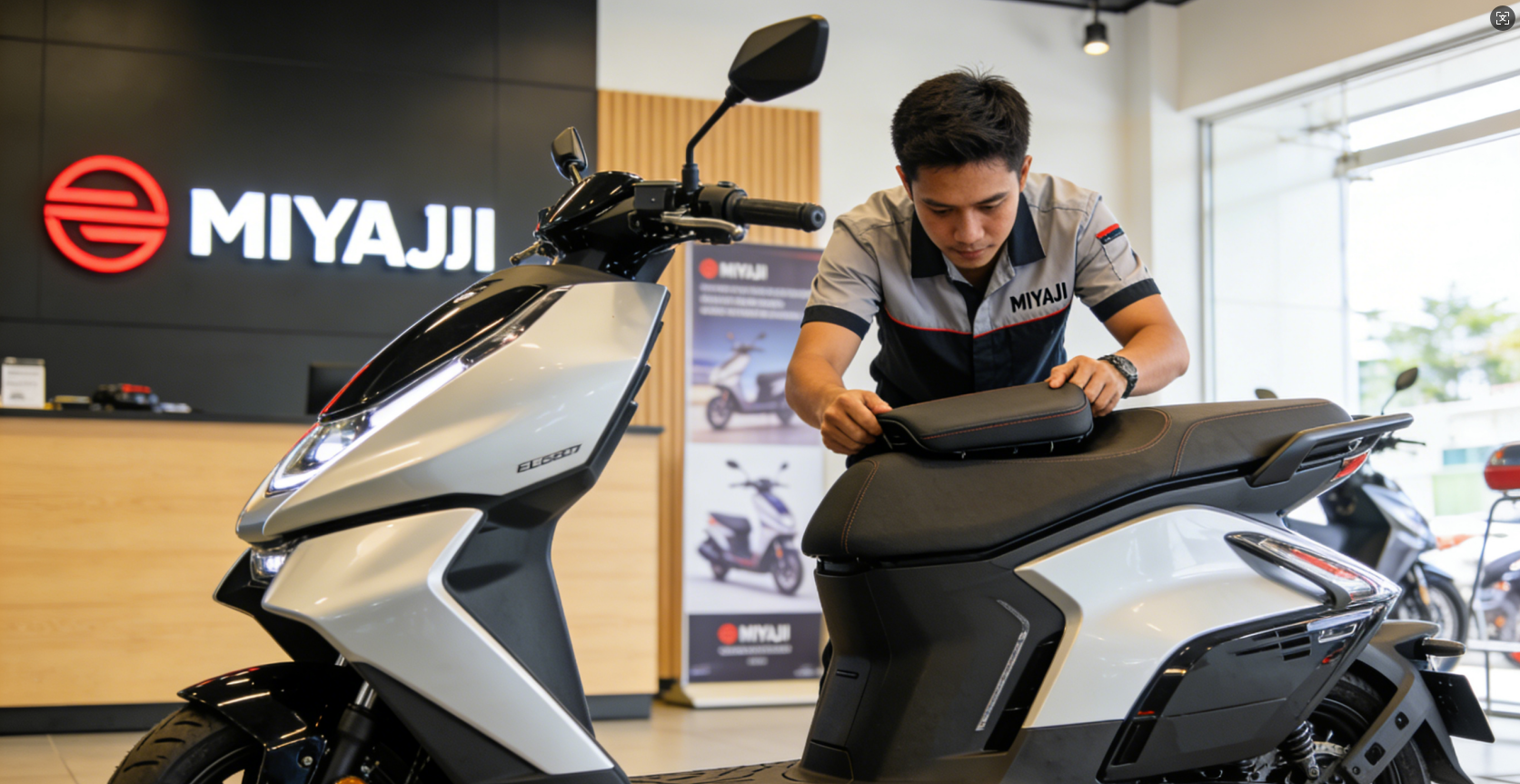 Localization and Win-Win: MIYAJI's New Overseas Expansion Model – Partnering to Deepen Market Development
 Safety First: MIYAJI's Integrated Vehicle-Battery Cabinet with Seven-Fold Safety Protection System