Protection technology adaptation solution for battery swapping cabinets in complex overseas environments
With the rapid expansion of the global electric mobility market, battery swapping stations, as convenient energy replenishment infrastructure, have been widely deployed in overseas regions such as Africa, Southeast Asia, the Middle East, Europe, and the Americas. However, the overseas environment presents significant complexity and diversity, with challenges such as high temperatures and intense sunlight, sandstorms, torrential rains and floods, high humidity and high salt spray, power grid fluctuations, and human-caused damage, which place stringent requirements on the protective performance of the battery swapping cabinet. This solution, based on the typical complex environmental characteristics overseas, constructs a comprehensive and customized protection technology adaptation solution from three aspects: core protection dimensions, scenario-specific adaptation strategies, and a technical support system, ensuring the stable, safe, and long-term operation of battery swapping stations in various extreme environments.
I. Core Protection Technology Dimension: Building a Multi-Level Protection Foundation
Addressing the common threats in overseas environments, a multi-level protection framework of "basic protection + intelligent monitoring + emergency backup" is established. This forms a closed loop from physical isolation, environmental adaptation, safety early warning to emergency response, providing technical support for scenario-specific adaptation.
(I) Physical Protection: Building the First Line of Defense Against Environmental Intrusion
Physical protection focuses on "isolating external threats and enhancing structural durability," with key breakthroughs in three crucial technologies: dust and water resistance, corrosion resistance, and impact resistance. In terms of protection level, a high-level protection design of no less than IP65 is uniformly adopted. The seams of the outer shell are equipped with fully sealed waterproof strips, and the edges of the cabinet doors are fitted with anti-seepage raised structures. Charging ports and ventilation openings are equipped with dedicated dust and water-proof covers, effectively resisting sand and dust intrusion and rain spray, preventing dust from clogging heat dissipation channels or moisture from seeping into the circuit area and causing malfunctions. Regarding material selection, thickened galvanized steel plates are used with electrostatic powder coating technology. Salt spray environment testing shows that the paint will not peel or fade for 5 years, significantly improving UV resistance and anti-aging capabilities, and can withstand long-term high-temperature exposure without cabinet deformation. For coastal areas with high salt spray, an additional electrophoretic coating treatment is added to further enhance corrosion resistance. In terms of structural strength, the cabinet design meets the IK08 level mechanical impact requirements. Key components have passed environmental adaptability tests such as vibration and impact, and can withstand external impacts, handling bumps, and minor malicious damage, ensuring the structural integrity of the cabinet.
(II) Environmental Adaptability: Precisely Addressing Temperature, Humidity, and Power Grid Fluctuations
To address the temperature and humidity differences in different overseas regions, a temperature and humidity adaptation system combining "active control + passive insulation" has been constructed. In high-temperature environments, a combination of "intelligent heat dissipation + thermal insulation optimization" is adopted: the cabinet has a built-in high-precision temperature sensor and multiple sets of silent cooling fans, which automatically start when the internal temperature exceeds 30°C, forming efficient air circulation through side ventilation holes to quickly dissipate the heat generated during charging; in some extremely high-temperature areas (such as Africa and the Middle East where temperatures exceed 50°C), a liquid cooling system has been upgraded, and thermal insulation cotton has been added to the inside of the cabinet door. Actual testing shows that the internal temperature can be stably controlled within a safe range. In low-temperature environments (such as some cold regions in Europe and America), a battery preheating system and cabinet insulation layer are configured. Before battery swapping, the preheating module raises the battery temperature to a suitable range, preventing capacity degradation or inability to charge and discharge normally due to low temperatures. In high-humidity environments, a dehumidification module and moisture-absorbing materials are added inside the cabinet to monitor humidity in real time and automatically activate dehumidification, preventing water film formation on electronic components that could cause leakage or short circuits.
For areas with large power grid fluctuations or even no power grid coverage in some overseas regions, a wide voltage input design (220V±20%/380V±5%) is adopted to adapt to different regional voltage standards. It also includes built-in voltage regulators and surge protectors to withstand voltage spikes and drops and lightning surges. For off-grid areas, a photovoltaic + energy storage module is standard, enabling clean energy power supply, eliminating grid dependence, and ensuring continuous availability of battery swapping services.
(III) Intelligent Monitoring: Achieving Early Warning and Handling of Risks
Based on IoT and AI technologies, a full-time, all-round intelligent monitoring system is constructed to accurately identify environmental anomalies and human risks. In terms of environmental monitoring, multi-dimensional sensors for temperature, humidity, smoke, voltage, and current are deployed inside the cabinet and battery compartment to collect operational data in real time. When a temperature exceeding 80℃, humidity exceeding limits, abnormal battery voltage, or smoke signals are detected, a local audible and visual alarm is immediately triggered, and the warning information is uploaded to the cloud management platform to notify maintenance personnel for timely handling.
Regarding human risk prevention, a video surveillance system based on a deep learning model is installed. This system captures video streams in real time through cameras and utilizes a two-stage target detection algorithm, posture estimation model, and behavior classification model to accurately identify abnormal behaviors such as theft, malicious damage, and lock-breaking. Once an anomaly is detected, the system immediately triggers an alert, automatically captures and preserves evidence, uploads event details to cloud storage, and pushes notifications to management personnel, achieving a closed-loop process of "real-time monitoring - anomaly identification - early warning handling," significantly reducing the risk of human-caused damage. Furthermore, an intelligent interlock device is equipped to ensure that the system immediately stops operating when the protective door is opened, preventing personnel from accidentally touching high-voltage components and causing safety accidents.
(IV) Emergency Backup: Strengthening Extreme Risk Handling Capabilities
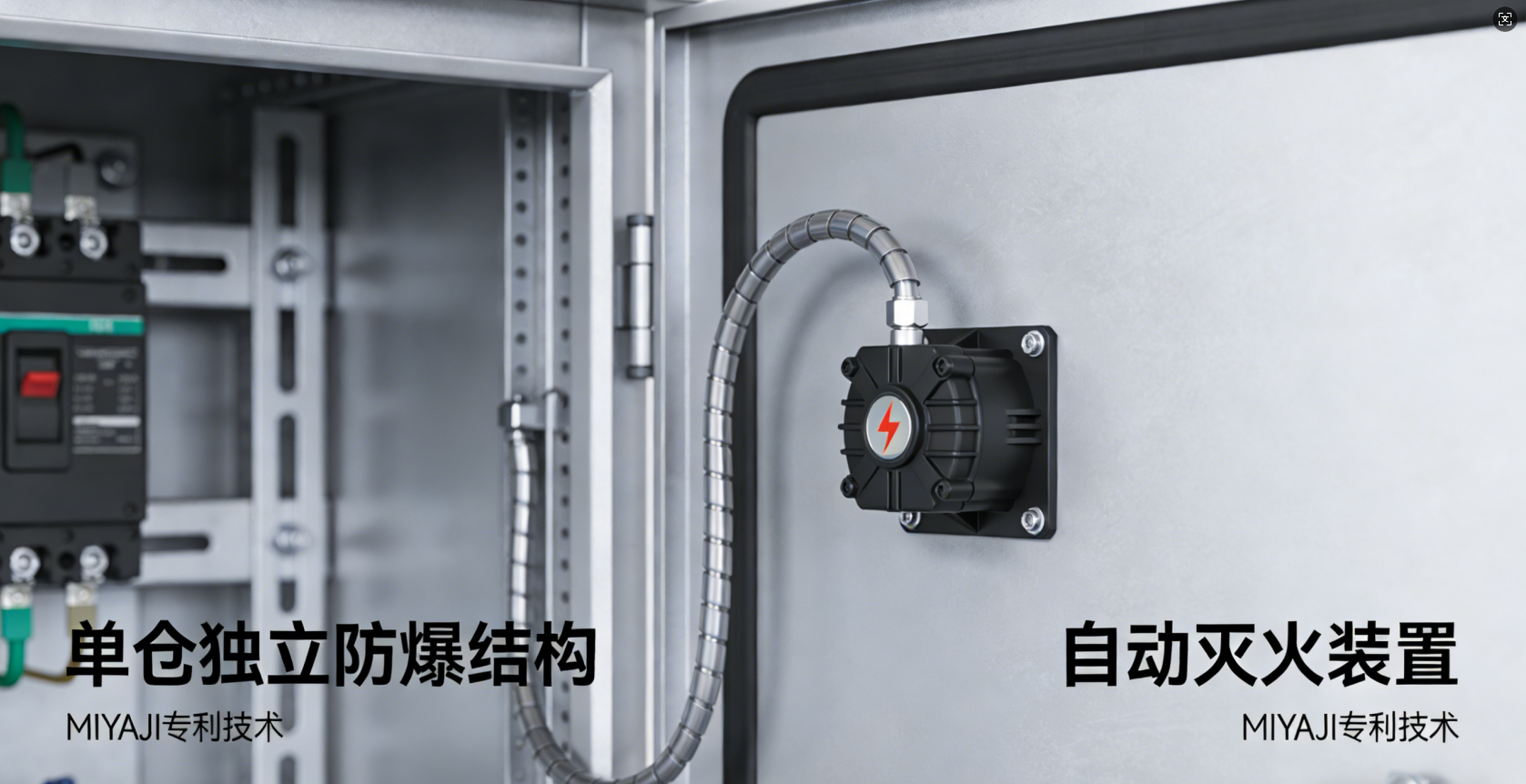
To address extreme risks such as battery thermal runaway and fires, an emergency protection system combining proactive prevention and reactive response is constructed. Each battery compartment is independently equipped with a hot melt adhesive fire extinguishing component and a physical partition. When an open flame is detected or the temperature exceeds the 80°C safety threshold, the hot melt adhesive melts instantly to form a flame-retardant covering layer, encasing the battery and isolating oxygen, quickly suppressing the fire. Simultaneously, the independent partition confines the risk to a single compartment, preventing the hazard from spreading. Furthermore, the cabinet is equipped with emergency exhaust channels and explosion-proof valves. When a battery experiences thermal runaway and generates a large amount of gas, high-pressure gas can be quickly discharged, preventing the cabinet from exploding and buying time for personnel evacuation and emergency response.
II. Scenario-Specific Protection Technology Adaptation Strategy: Precisely Matching Regional Environmental Characteristics
Based on the typical environmental characteristics of different overseas regions, core protection technologies are combined with localized needs to form customized adaptation solutions for four typical scenarios, ensuring the targeted effectiveness of the protection technologies.
(I) High Temperature and Dust Scenario (Core Areas of Africa and the Middle East)
The core challenges in this scenario are extreme high temperatures of 45℃+, strong ultraviolet radiation, and frequent dust storms. The adaptation strategies are as follows: The protection level is upgraded to IP65+, the dustproof design of the ventilation openings is strengthened, and a removable and washable dust filter is used for easy regular cleaning by maintenance personnel; the heat dissipation system adopts a combination of liquid cooling and independent air ducts, with each battery compartment equipped with an independent heat dissipation channel to avoid heat conduction between compartments, while optimizing the cabinet's appearance design to reduce the area exposed to direct sunlight and lower heat absorption; thickened galvanized steel plates with better UV resistance and anti-aging properties are selected, and double-layer heat insulation cotton is added to the cabinet doors to further improve heat insulation; the circuit system uses high-temperature resistant components to ensure stable operation in extreme high-temperature environments; photovoltaic + energy storage modules are equipped to address grid instability issues in some areas and ensure continuous power supply.
(II) High Humidity and Rain/Flood Scenario (Southeast Asia and South American Rainforest Areas)
The core challenges are high humidity, continuous heavy rain, and short-term flooding, which can easily cause cabinet corrosion and short circuits. Adaptation Strategies: Protection level upgraded to IP67, featuring a fully sealed cabinet design, waterproof baffles added to cabinet doors to prevent rainwater backflow; cabinet bottom raised 15-20cm for installation to avoid flooding; enhanced anti-corrosion treatment, with the cabinet employing a triple coating process of "galvanizing + electrophoresis + electrostatic spraying," and electronic components coated with a moisture-proof coating; upgraded dehumidification system, installing a condenser dehumidifier inside the cabinet to control humidity below 60% in real time; waterproof connectors used in the electrical system, with waterproof sleeves for key components to prevent short circuits caused by moisture infiltration; added water level sensor, automatically cutting off cabinet power when flooding warning lines are detected to prevent electric shock.
(III) High Salt Spray Coastal Scenarios (Southeast Asian Coast, European and American Coastal Areas)
The core challenge is the severe corrosion problem caused by high salt spray and high humidity, placing extremely high demands on cabinet materials and sealing performance. Adaptation Strategy: Utilize 316L stainless steel or a highly corrosion-resistant material (galvanized steel sheet + fluorocarbon coating) to enhance the cabinet's resistance to salt spray corrosion; all metal connectors are made of stainless steel and coated with anti-corrosion lubricant; the sealing system is upgraded to a salt spray-resistant waterproof strip, which is replaced regularly to ensure sealing performance; a salt spray filter is installed inside the cabinet to reduce the entry of salt spray particles; maintenance frequency is increased, with regular cleaning and anti-corrosion maintenance of the cabinet surface and interfaces; the monitoring system is enhanced with a corrosion risk early warning module, using sensors to monitor salt spray concentration and promptly push maintenance reminders.
(IV) Low Temperature and Snowy Scenarios (High-latitude regions in Europe and America)
The core challenges are low temperatures leading to battery performance degradation, cabinet icing, and interface freezing. Adaptation Strategy: The cabinet is equipped with a polyurethane insulation layer, and the battery compartment features an intelligent preheating system. The battery temperature is preheated to above 10°C via an electric heating module before charging, ensuring charging efficiency and battery life. Heating devices are installed at the interfaces to prevent freezing and connection failures. Low-temperature resistant batteries and electronic components are used to ensure stable operation within a temperature range of -40°C to 85°C. The cabinet top is designed with a sloping structure to prevent snow accumulation and deformation. The monitoring system includes a low-temperature warning function; when the ambient temperature drops below -10°C, the preheating system is automatically activated to prepare for operation.
III. Technical Support System: Ensuring Solution Implementation and Long-Term Operation
To ensure the effective implementation and long-term stable operation of the protection technology solution, a full-chain technical support system of "compliance certification + testing and verification + intelligent operation and maintenance" is constructed.
(I) Compliance Certification: Meeting Localized Technical Standards
Strict adherence to the relevant technical standards and mandatory certification requirements of the target market ensures product compliance and market access. For example, the EU market requires CE certification (including EMC electromagnetic compatibility and LVD low voltage directive), the North American market requires UL certification, the Southeast Asian market requires TISI certification in Thailand and SNI certification in Indonesia, and the Nigerian market in Africa requires SONCAP certification. The certification process focuses on core indicators such as electrical safety, electromagnetic compatibility, and environmental adaptability to ensure that the protection technology meets local regulatory requirements.
(II) Testing and Verification: Simulating Extreme Environments to Ensure Reliable Performance
A comprehensive testing and verification system is established. Before mass production, laboratory simulation tests and field scenario verification are conducted to ensure the reliability of the protection technology. Laboratory tests cover high and low temperature cycling tests (50 cycles alternating between -40℃ and 85℃), salt spray corrosion tests (500 hours), waterproof tests (IP67 level immersion for 30 minutes), mechanical shock tests (IK08 level), and vibration tests (10-2000Hz frequency for 20 hours), comprehensively verifying the product's performance stability under extreme environments. Field verification selects typical scenarios in the target area for a 3-6 month trial run, collecting operational data, optimizing protection technology parameters, and ensuring the solution adapts to actual environmental needs.
(III) Intelligent Operation and Maintenance: Enhancing Long-Term Operational Support Capabilities
Based on a cloud-based management platform, an intelligent operation and maintenance system is constructed to achieve remote monitoring, fault early warning, and precise operation and maintenance of the battery swapping cabinets. The platform aggregates sensor data and video monitoring information from various dimensions in real time, generating operation reports to help maintenance personnel fully understand the equipment status. When an early warning message appears, the system accurately locates the fault location and type, pushes repair work orders to nearby maintenance personnel, and improves handling efficiency. An operation and maintenance knowledge base is established to provide standardized handling solutions for common faults in different scenarios, reducing the difficulty of operation and maintenance. Simultaneously, regular localized operation and maintenance training is conducted to improve the operational skills of maintenance personnel and ensure the correct maintenance and replacement of protective equipment.
III. Solution Implementation Value and Outlook
This solution, through a technical architecture of "core protection + scenario-specific adaptation + full-chain protection," achieves comprehensive coverage of complex overseas environments. It can effectively improve the environmental adaptability, operational stability, and safety reliability of the battery swapping cabinets, extend the equipment's service life to more than 8 years, and reduce operation and maintenance costs and failure losses. Meanwhile, the solution balances compliance with localization requirements, facilitating the smooth expansion of battery swapping cabinets into overseas markets and providing technical support for the construction of a global electric mobility charging network.
In the future, with continuous technological iteration, advanced technologies such as AI intelligent prediction and adaptive adjustment can be further integrated. Big data analysis can predict environmental change trends and automatically adjust protection strategies. Simultaneously, lightweight and modular protection designs can be explored to improve product versatility and deployment flexibility, better adapting to the diverse and complex environmental needs overseas.
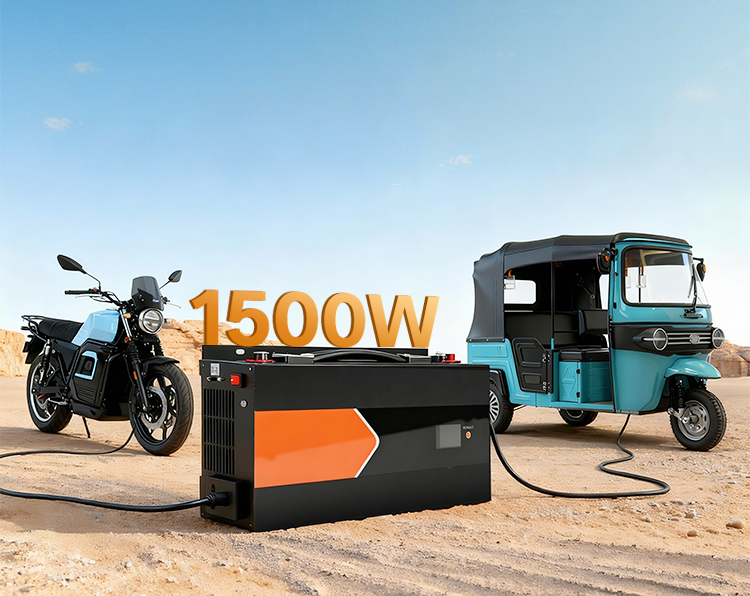 MIYAJI Bi-Charger Battery-Free Bi-Directional Charger for E2W & E3W
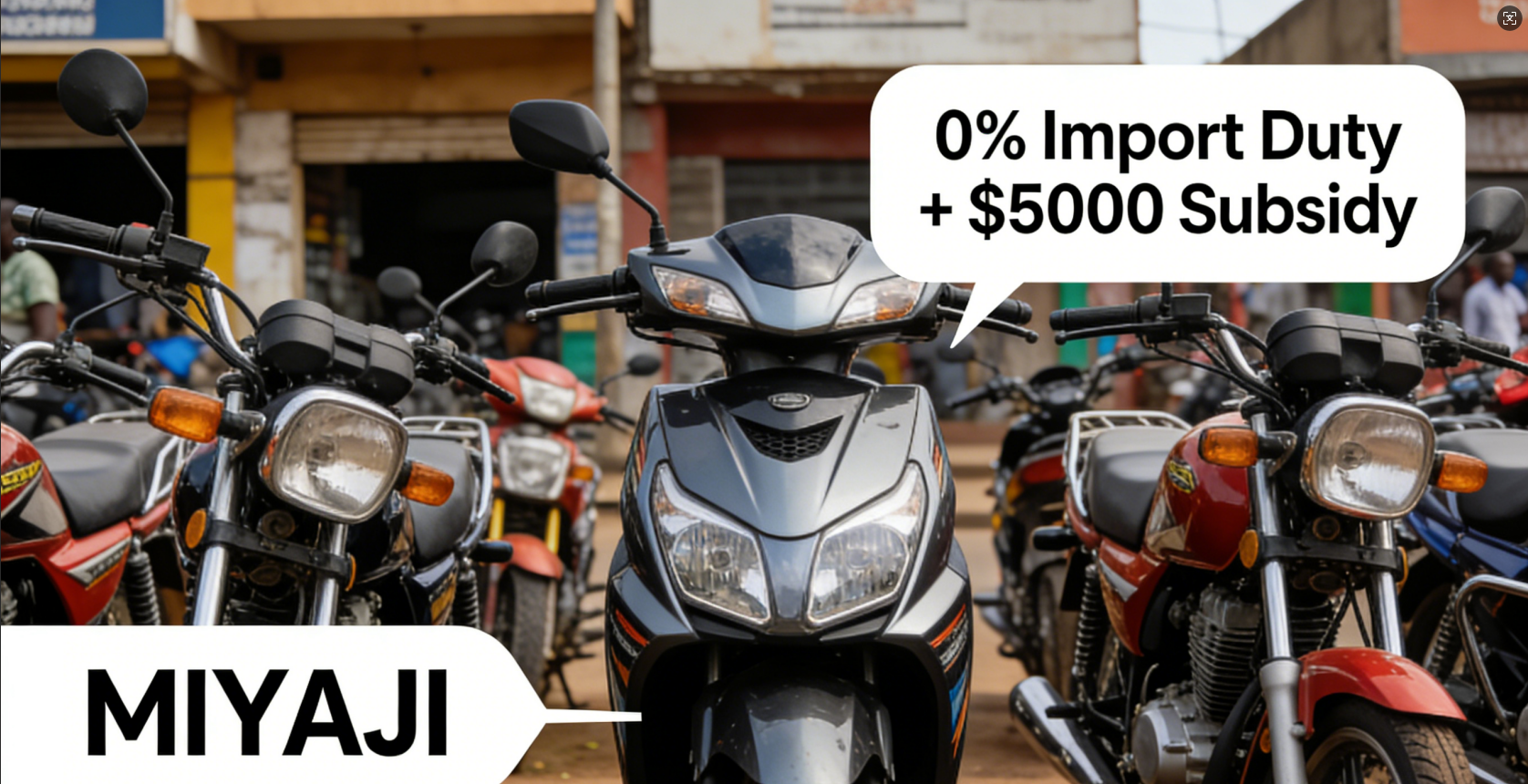 2026: Kenya's Electric Vehicle Export Market Booms! Zero Tariffs + 500,000 Yuan Subsidy for Battery Swapping Stations – Don't Miss Out!
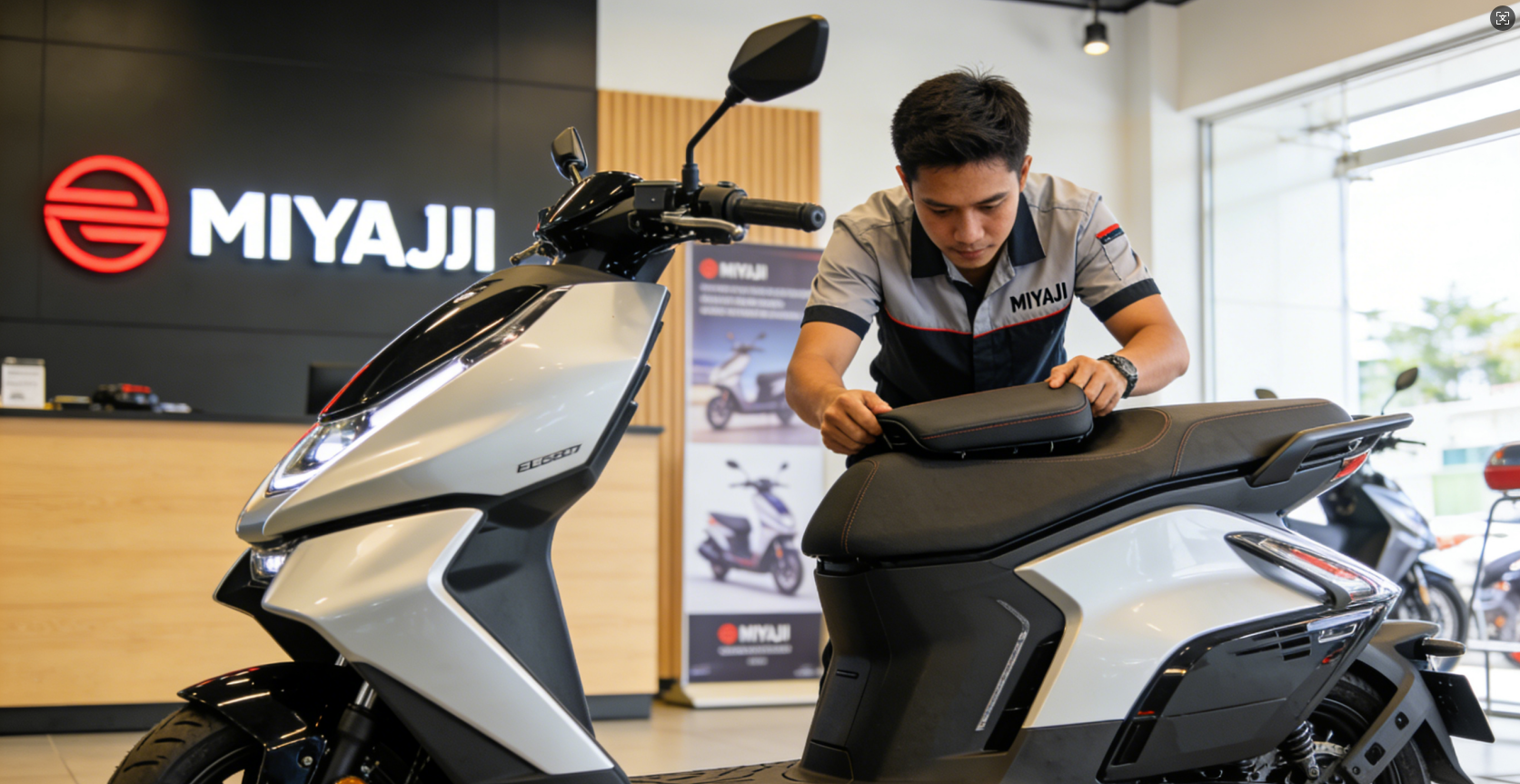 Localization and Win-Win: MIYAJI's New Overseas Expansion Model – Partnering to Deepen Market Development
 Safety First: MIYAJI's Integrated Vehicle-Battery Cabinet with Seven-Fold Safety Protection System