Overseas New Energy Going Global: A Guide to Customization and Standardization
Views : 1434
Update time : 2026-01-13 09:47:55
When new energy products are exported overseas, the core of choosing between "customization" and "standardization" lies in balancing "market adaptability" and "cost efficiency." The key is matching the characteristics of the target market, the company's resources, and its development stage. The following provides clear guidance from the perspectives of core differentiation, scenario selection, and balancing strategies.
I. Clarifying Core Differences: Advantages and Disadvantages of Customization vs. Standardization
Comparison Dimensions: Standardized Products | Customized Products
Core Advantages: Controllable costs, short delivery cycles, low technical risks; strong market adaptability, outstanding competitiveness, ensuring compliance and overcoming barriers
Core Disadvantages: Difficult to adapt to extreme environments and special policies, prone to homogenization and involution; high R&D and manufacturing costs, long cycles, high risk of misjudging demand
Core Applicable Scenarios: Mature markets, early stages of overseas expansion, small and medium-sized purchasing customers; emerging differentiated markets, in-depth development stage, large-scale projects
II. Scenario-Based Selection Guide: Precise Matching by Market, Stage, and Customer
1. Selecting Based on Target Market Characteristics: Accurately Grasping Core Regional Needs
Different overseas regional characteristics determine product strategies:
Mature Markets in Europe and America: Prioritize standardization, with partial customization—rapidly deploy products based on unified and stringent standards, customizing only details (such as dual interfaces for charging piles) to control costs.
Emerging Markets in Southeast Asia: Primarily customization, supplemented by standardization—adapting to right-hand drive vehicles, humid and hot environments, and unstable power grids, while retaining standardization of core modules such as the main body of the battery swapping cabinet.
1. **Specialized African Market:** Deep Customization – Tailored "photovoltaic-storage-charging integrated" systems and high-protection battery swapping cabinets to address high temperatures, sandstorms, and low grid coverage, adapting to off-grid operation.
2. **Selection by Enterprise Development Stage:** Balancing Risk and Return
Early Stage (0-1): Prioritize Standardization – Validate the market with low cost and short cycle, accumulating data before proceeding with customization.
Intensive Development Stage (1-N): Combination of Customization and Standardization – Standardize core modules and customize functional modules, balancing cost and adaptability.
3. **Selection by Customer Type:** Matching Core Customer Needs
SMEs in Foreign Trade Procurement: Prioritize Standardization – Matching their cost-effectiveness and rapid delivery needs.
Large Operators/Government Projects: Primarily Customized – Meeting long-term adaptability and compliance requirements.
III. **Optimal Solution:** Modular Design, Achieving "Customized Efficiency + Standardized Cost"
The optimal solution is "modular design": Standardized core modules (battery management, fast charging module) ensure cost and stability; adaptable modules (protective casing, interfaces) are customized as needed.
For example, MIYAJI adopts a "standardized main body for vehicle electrical cabinets + customized protection modules" approach, adapting to different regional environments and policies, reducing costs by over 60%, and achieving "one platform, multiple regional adaptations."
IV. Summary: The Core Logic of Selection
Summary: Standardization is the "ticket" to overseas markets, while customization is the "key" to establishing a foothold. The optimal path is to modularly integrate both, anchoring to market demand and limiting enterprise capabilities, achieving precise adaptation within controllable costs, allowing products to both "go global" and "take root."
相关新闻
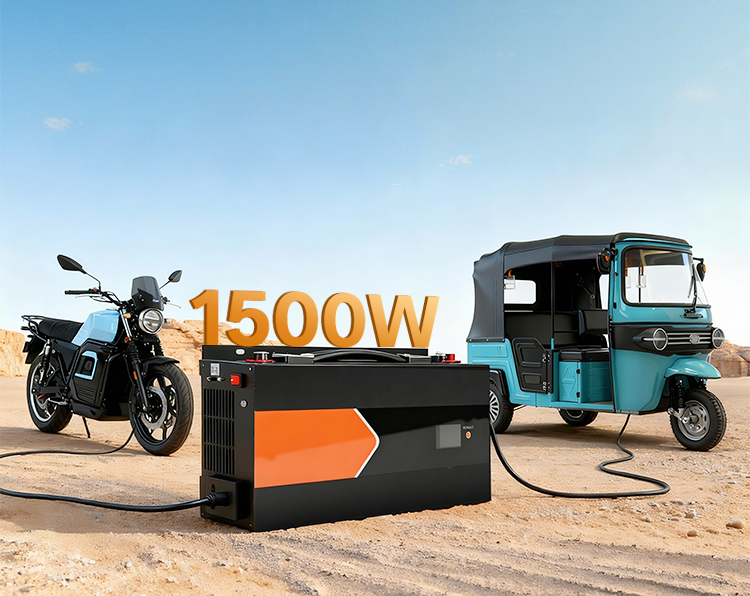 MIYAJI Bi-Charger Battery-Free Bi-Directional Charger for E2W & E3W
May 09,2026
Make Your E2W/E3WPower Battery=Ride Power+Home Power +Emergency Power
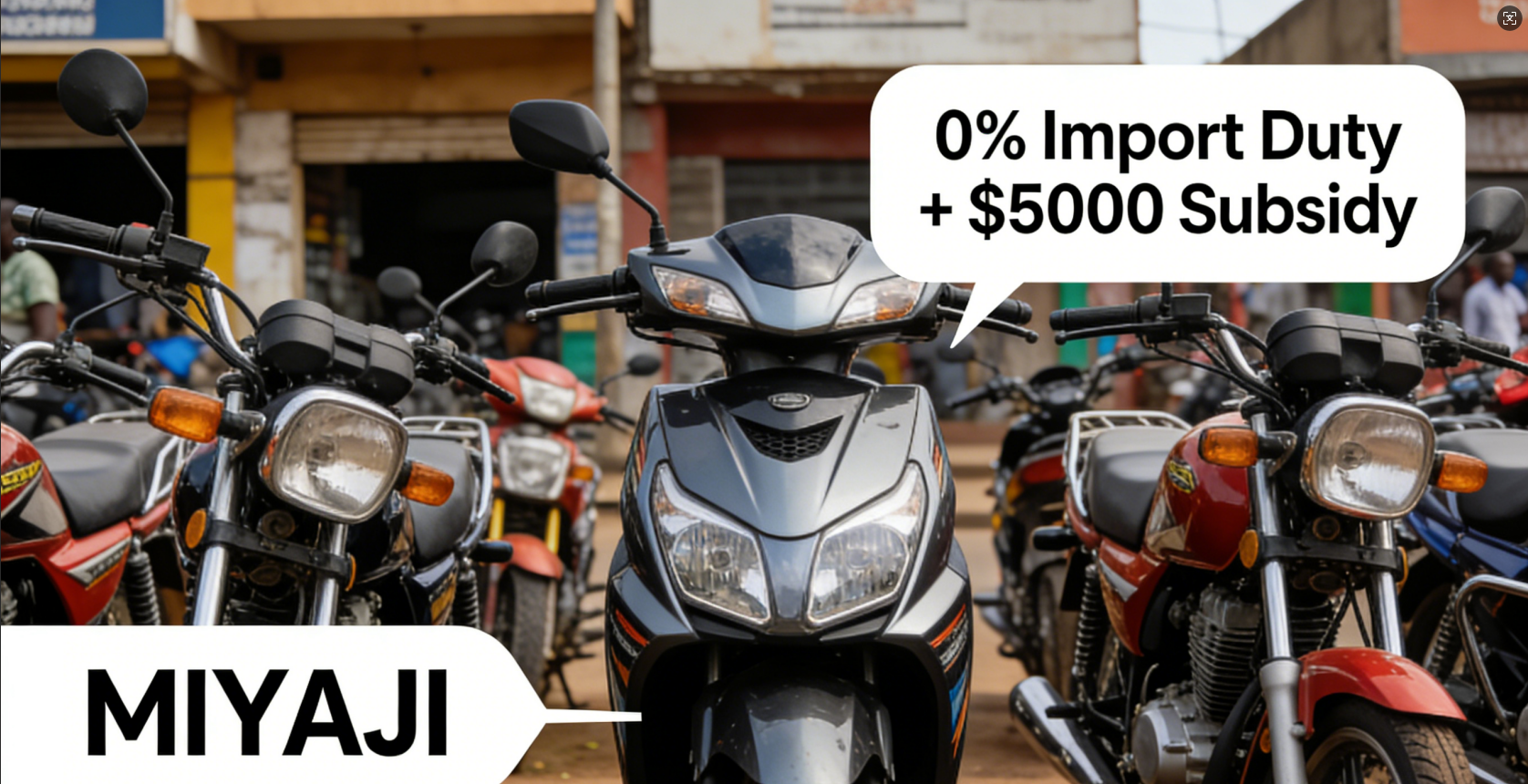 2026: Kenya's Electric Vehicle Export Market Booms! Zero Tariffs + 500,000 Yuan Subsidy for Battery Swapping Stations – Don't Miss Out!
Feb 07,2026
This article focuses on the policy benefits of electric vehicles in Kenya in 2026, breaking down the core benefits of zero tariffs on pure electric vehicles (including motorcycles and tricycles) and a subsidy of 35,000 RMB per battery swapping station. It identifies key points to avoid pitfalls, analyzes why electric motorcycles are the biggest beneficiaries, provides three practical implementation suggestions, and points out that the period before 2030 is a window of opportunity to benefit from these benefits, helping companies like MIYAJI to seize the opportunity in the Kenyan market.
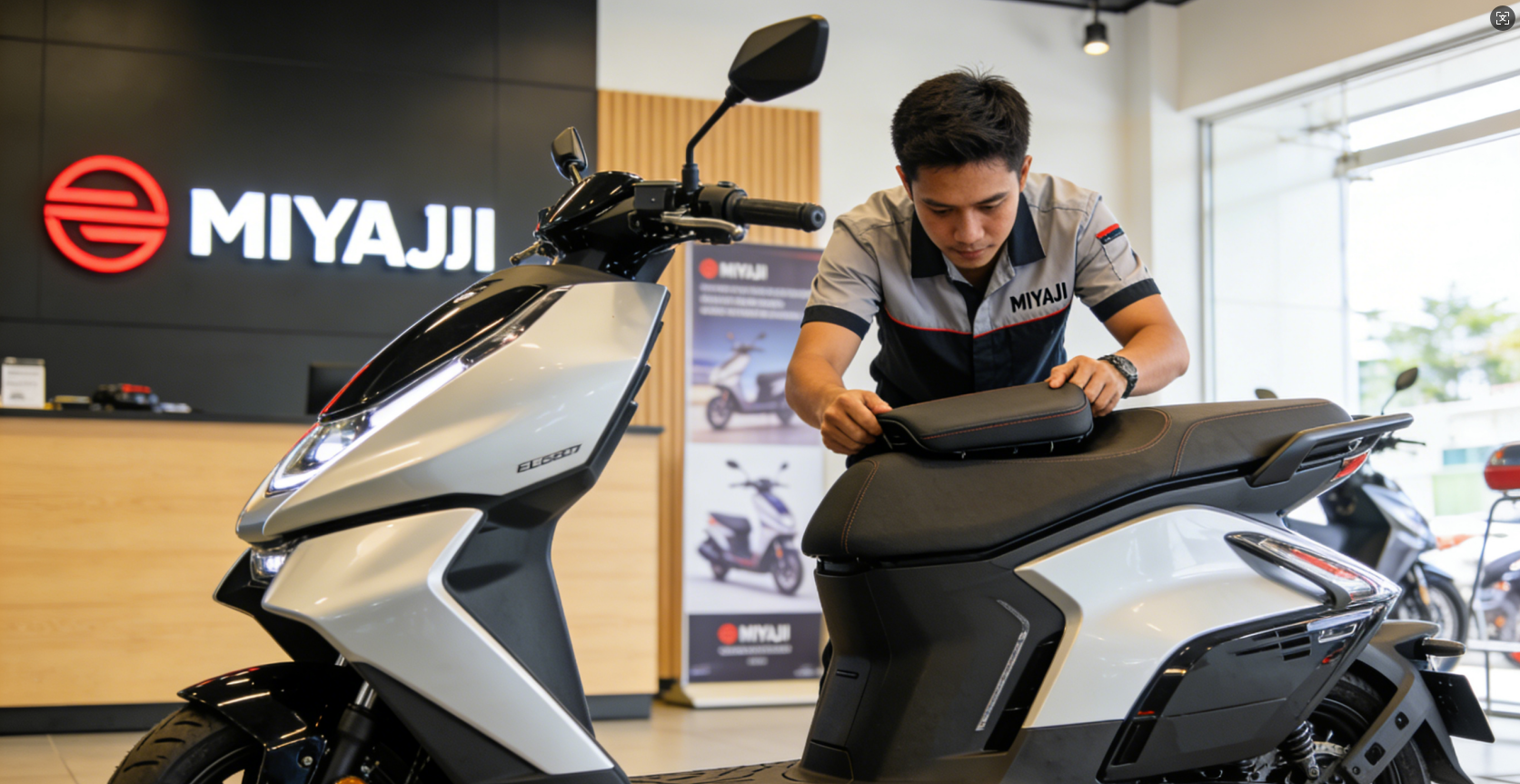 Localization and Win-Win: MIYAJI's New Overseas Expansion Model – Partnering to Deepen Market Development
Feb 07,2026
This article focuses on MIYAJI's core "localization and win-win" model for overseas expansion, introducing its flexible cooperation solutions for overseas partners, such as joint ventures, exclusive regional agencies, and localized assembly. It elaborates on MIYAJI's comprehensive empowerment support in core technologies, brand licensing, and standardized operations. Using the case of localized cooperation in Malaysia, it illustrates the practical results of collaborative development between the two parties, as well as the long-term value pursuit of jointly building a regional brand and sharing the dividends of the new energy mobility market.
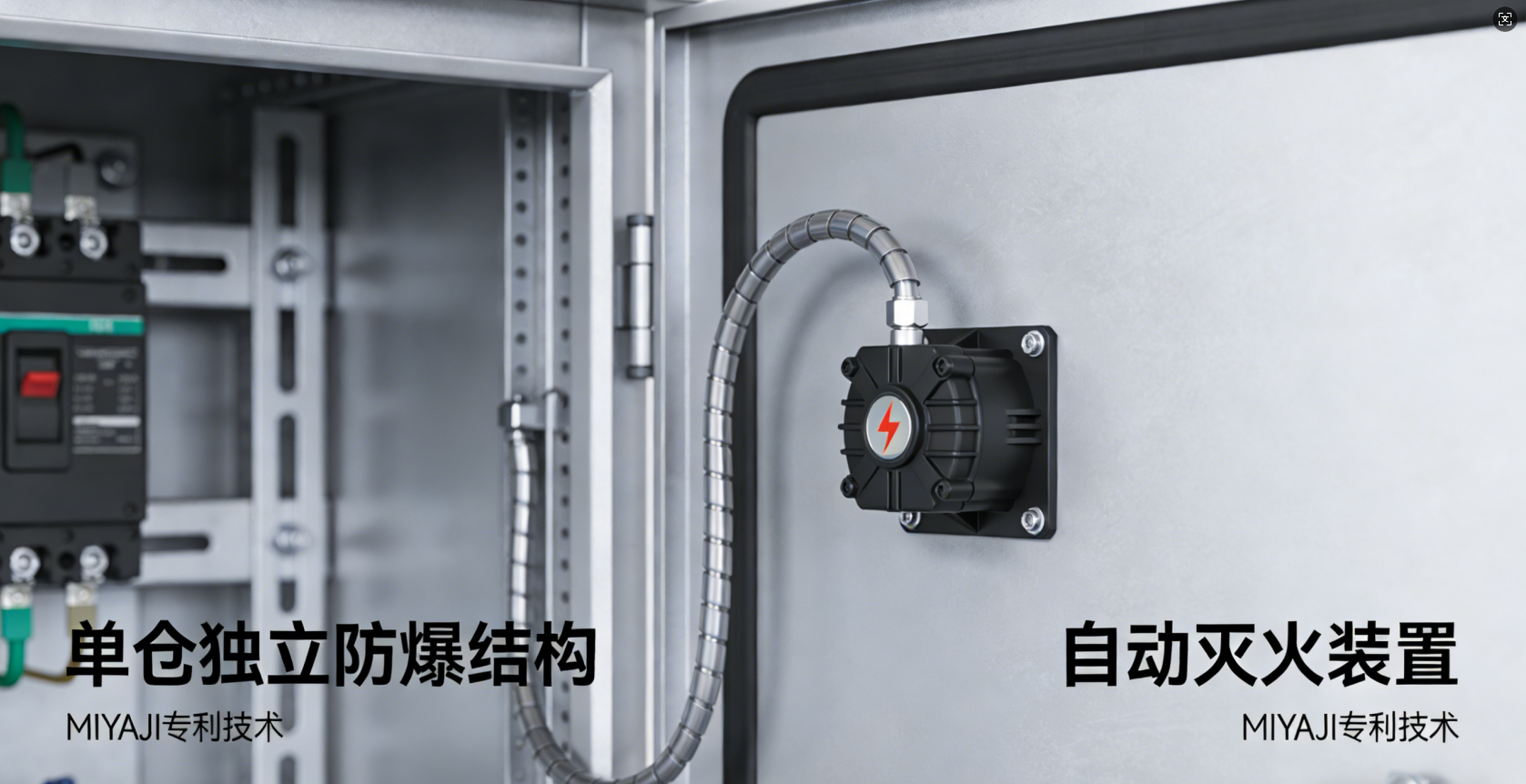 Safety First: MIYAJI's Integrated Vehicle-Battery Cabinet with Seven-Fold Safety Protection System
Feb 06,2026
This article focuses on the core principle of "safety first," and breaks down the seven-fold safety protection system of MIYAJI's integrated vehicle-battery cabinet in detail. From four dimensions—hardware protection (independent explosion-proof single compartment, automatic fire extinguishing, etc.), software monitoring (BMS real-time monitoring), rigorous testing and verification (extreme environment, violent impact, etc.), and industry comparison (excessive safety redundancy)—it elaborates on its all-dimensional safety guarantee advantages, highlights the product's safety and reliability in new energy battery swapping operations, and provides support for operators to avoid safety risks and ensure asset security.