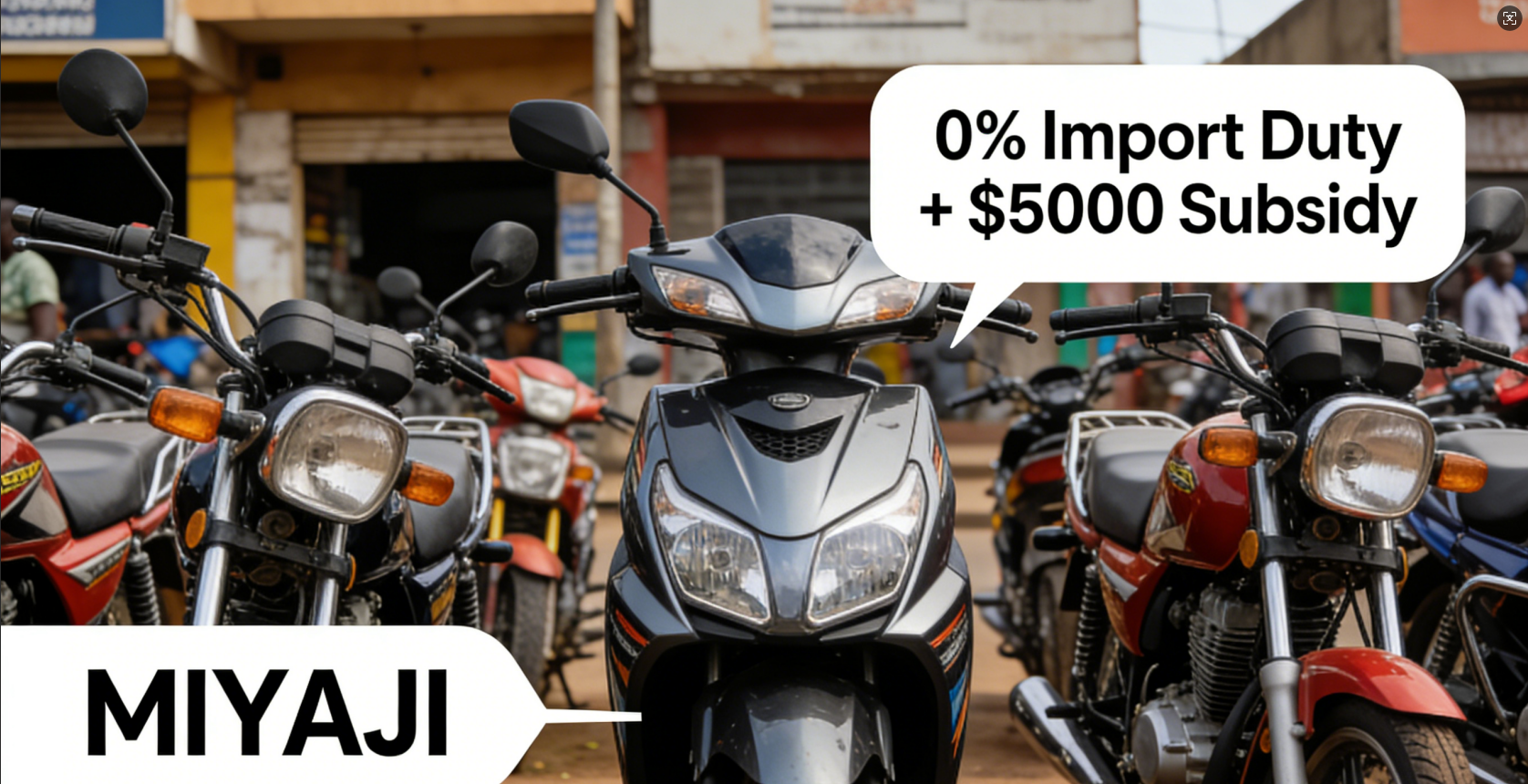
This article focuses on the policy benefits of electric vehicles in Kenya in 2026, breaking down the core benefits of zero tariffs on pure electric vehicles (including motorcycles and tricycles) and a subsidy of 35,000 RMB per battery swapping station. It identifies key points to avoid pitfalls, analyzes why electric motorcycles are the biggest beneficiaries, provides three practical implementation suggestions, and points out that the period before 2030 is a window of opportunity to benefit from these benefits, helping companies like MIYAJI to seize the opportunity in the Kenyan market.
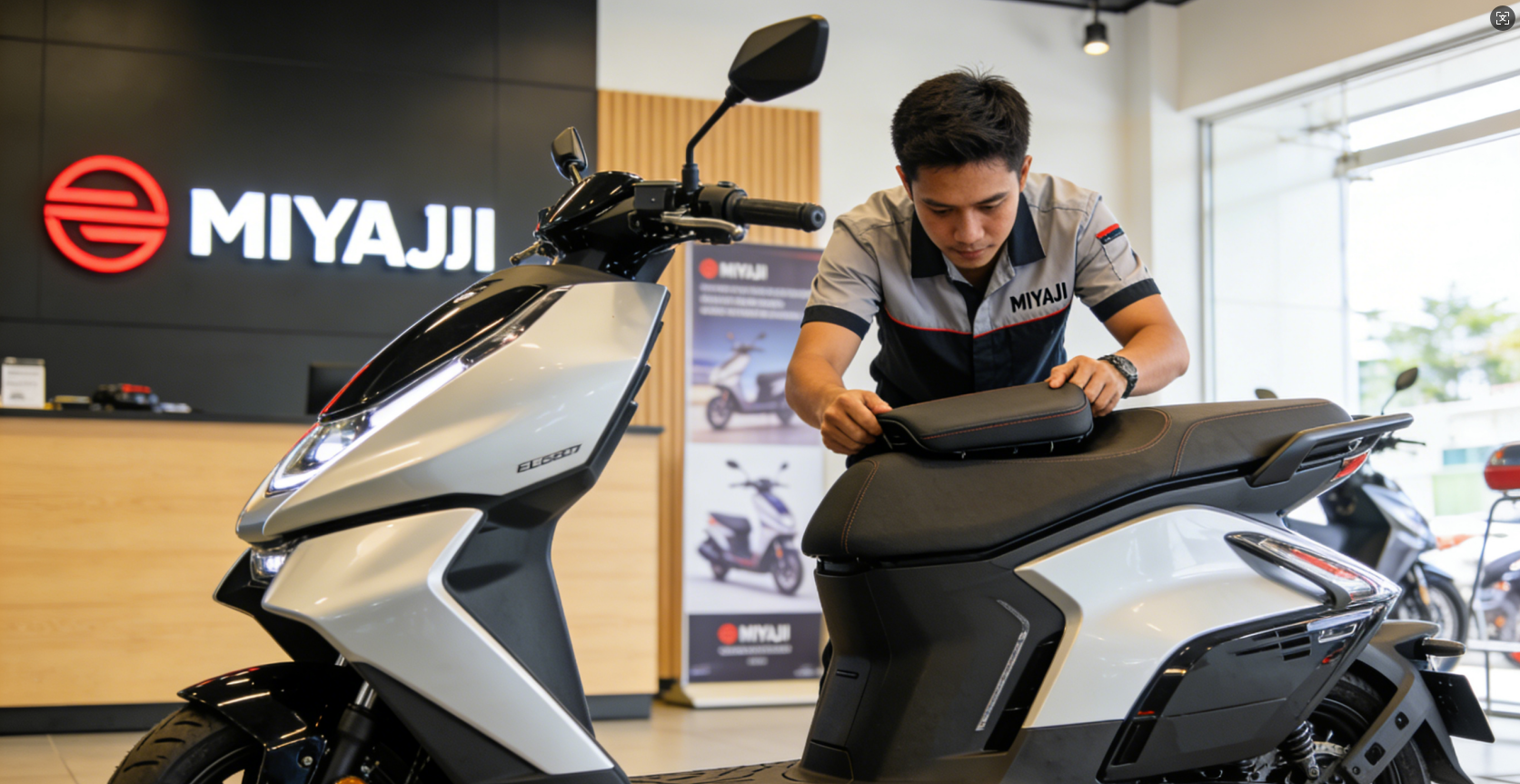
This article focuses on MIYAJI's core "localization and win-win" model for overseas expansion, introducing its flexible cooperation solutions for overseas partners, such as joint ventures, exclusive regional agencies, and localized assembly. It elaborates on MIYAJI's comprehensive empowerment support in core technologies, brand licensing, and standardized operations. Using the case of localized cooperation in Malaysia, it illustrates the practical results of collaborative development between the two parties, as well as the long-term value pursuit of jointly building a regional brand and sharing the dividends of the new energy mobility market.
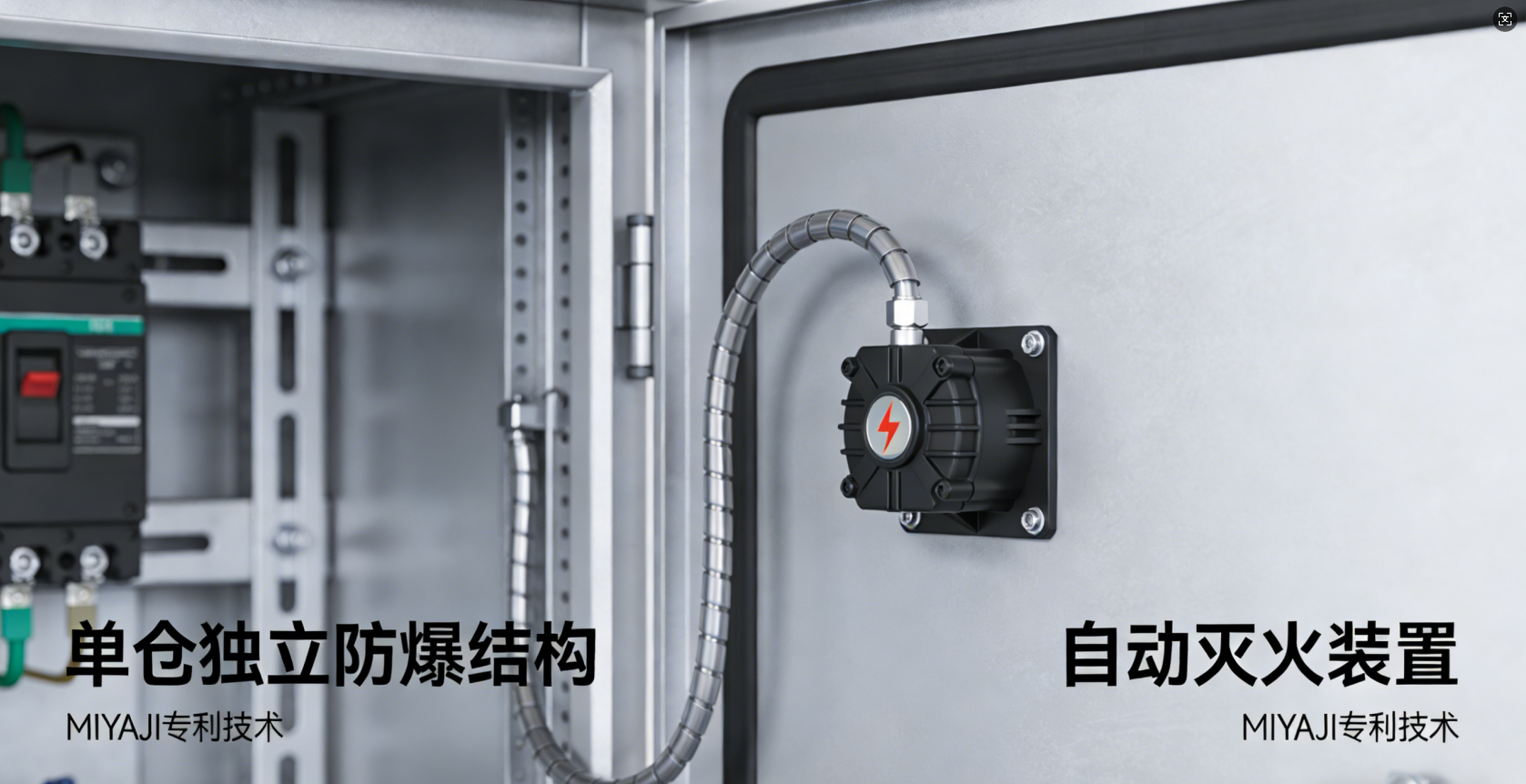
This article focuses on the core principle of "safety first," and breaks down the seven-fold safety protection system of MIYAJI's integrated vehicle-battery cabinet in detail. From four dimensions—hardware protection (independent explosion-proof single compartment, automatic fire extinguishing, etc.), software monitoring (BMS real-time monitoring), rigorous testing and verification (extreme environment, violent impact, etc.), and industry comparison (excessive safety redundancy)—it elaborates on its all-dimensional safety guarantee advantages, highlights the product's safety and reliability in new energy battery swapping operations, and provides support for operators to avoid safety risks and ensure asset security.
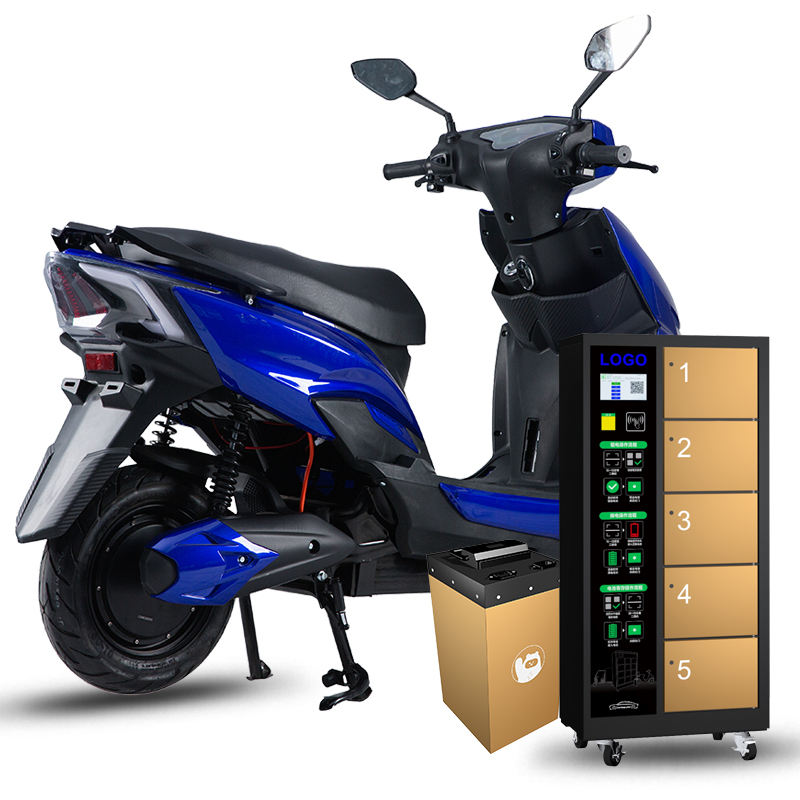
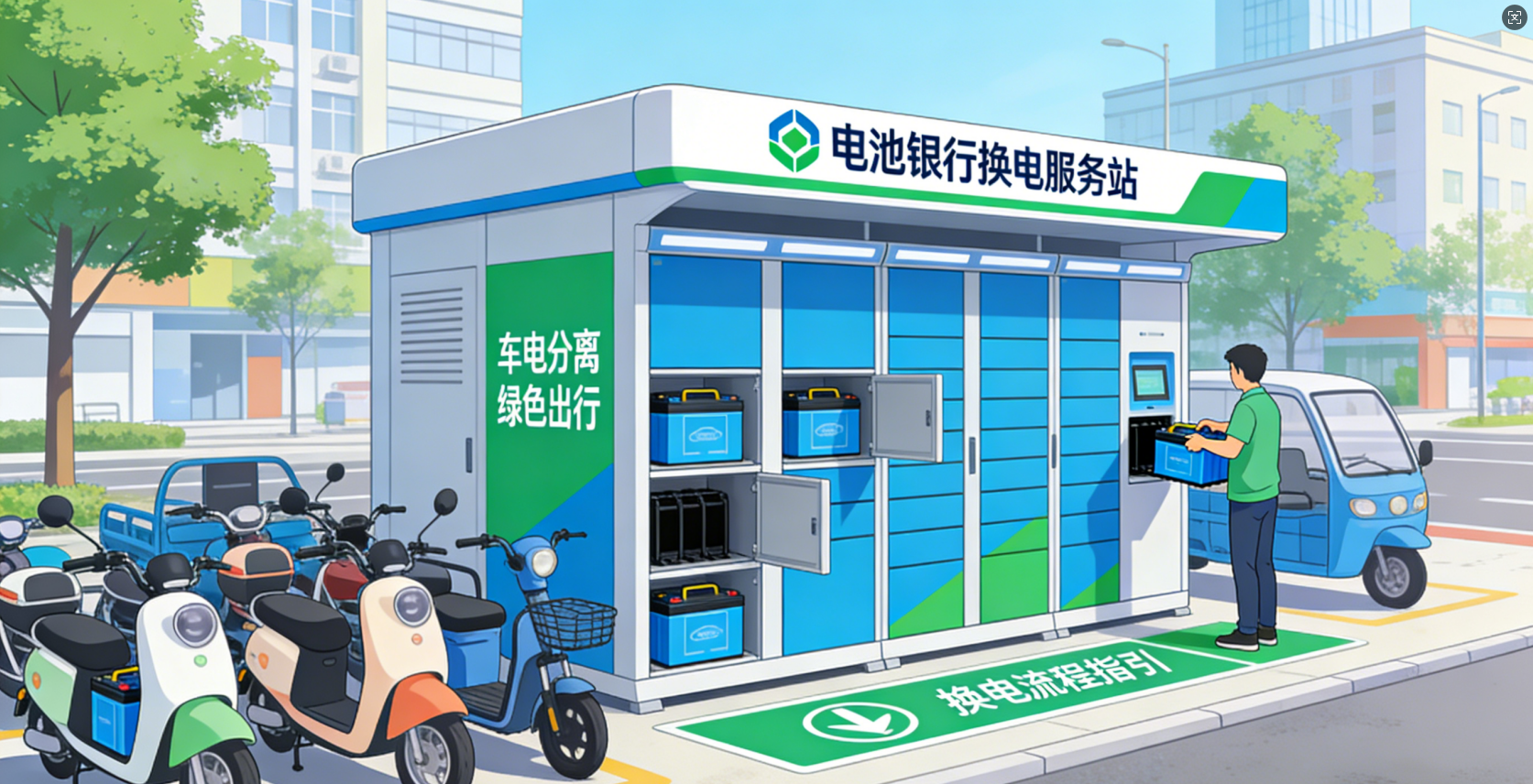
This article focuses on MIYAJI's new paradigm for battery banks, introducing its core approach of hardware and software synergy, promoting a vehicle-battery separation operation model, and building an ecosystem of "battery bank + battery swapping service" to achieve unified management and closed-loop circulation of battery assets. This model empowers both end-users and operators, is suitable for scenarios such as shared mobility and small-to-medium-sized logistics (electric two-wheelers/tricycles), helps alleviate pain points in the new energy industry, activates the value of battery energy assets, and presents the core logic and application value of MIYAJI's battery bank.
As global logistics transitions towards green and intelligent solutions, overseas short-haul logistics faces numerous bottlenecks: the explosive growth of e-commerce in Southeast Asia has driven a surge in delivery demand; Africa and the Middle East suffer from weak infrastructure and unstable power supply; traditional fuel-powered transportation is costly and environmentally stressful; and the electrification transition is hampered by insufficient range, inefficient refueling, and management difficulties. MIYAJI's integrated vehicle and battery cabinet solution precisely addresses these challenges. With its core principles of "demand adaptation, hardware and software synergy, cost control, and full-scenario coverage," it has become a key support for cost reduction and efficiency improvement in overseas logistics electrification, suitable for overseas logistics fleets primarily composed of electric motorcycles and tricycles.
This article focuses on MIYAJI's integrated smart charging and swapping solution, outlining its large-scale implementation achievements in more than ten countries across Africa, Southeast Asia, and the Middle East. The solution is tailored to the climate and infrastructure characteristics of each region, addressing key energy replenishment challenges with integrated photovoltaic and energy storage systems and high-protection designs. It leverages a comprehensive "hardware + system + service" framework to solidify its operational foundation, supporting the electrification transformation of emerging markets and showcasing the strength of China's new energy technology in overseas markets.
This article addresses complex environments overseas, including high temperatures and dust storms, high humidity and salt spray, low temperatures and severe cold, and power grid fluctuations. Based on the core parameters of the MIYAJI 12-bay intelligent battery swapping cabinet, it provides scenario-specific protection technology adaptation solutions. These solutions cover targeted measures such as temperature control and heat dissipation, sealing and corrosion prevention, electrical voltage stabilization, and lightning protection for off-grid environments. They are combined with universally applicable intelligent monitoring, modular design, and compliant adaptation technologies. The article also provides key implementation points for regional customization, cost balancing, and collaborative operation and maintenance, helping the battery swapping cabinet operate stably in multiple overseas regions while ensuring equipment safety, durability, and operational economy.
This article focuses on the pain points of electric motorcycle fleet operations, centering on centralized battery swapping stations and distributed battery swapping cabinets. It breaks down the entire process of equipment selection, intelligent operation, safety compliance, and cost optimization. Adaptable to different fleet sizes, it provides standardized selection guidelines, full lifecycle battery management techniques, and scenario-based customized strategies to help fleets solve problems such as range interruption and battery degradation, thereby improving charging efficiency and reducing operating costs. It serves as a practical optimization manual for delivery, logistics, and commuter fleets.